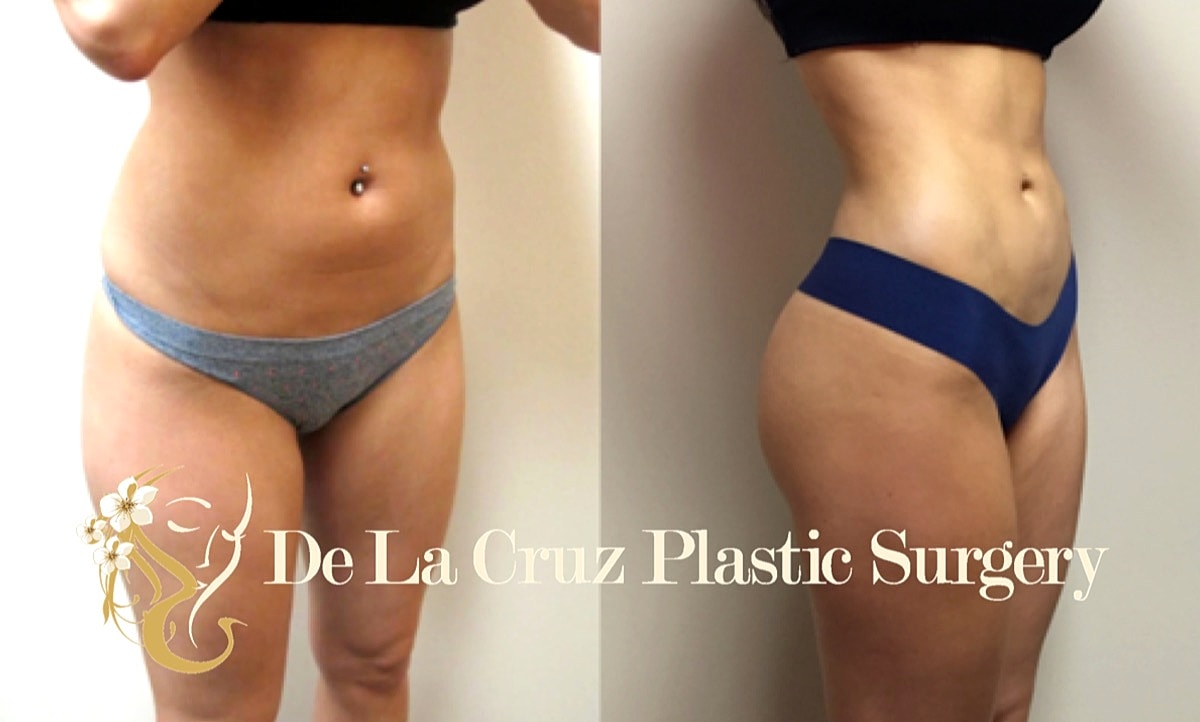
Ultimate BBL Guide (Brazilian Butt Lift)
Written by Dr. Emmanuel De La Cruz, MD Double Board-Certified Plastic Surgeon | Houston, Texas
Written by Dr. Emmanuel De La Cruz, MD Double Board-Certified Plastic Surgeon | Houston, Texas
Need to Know
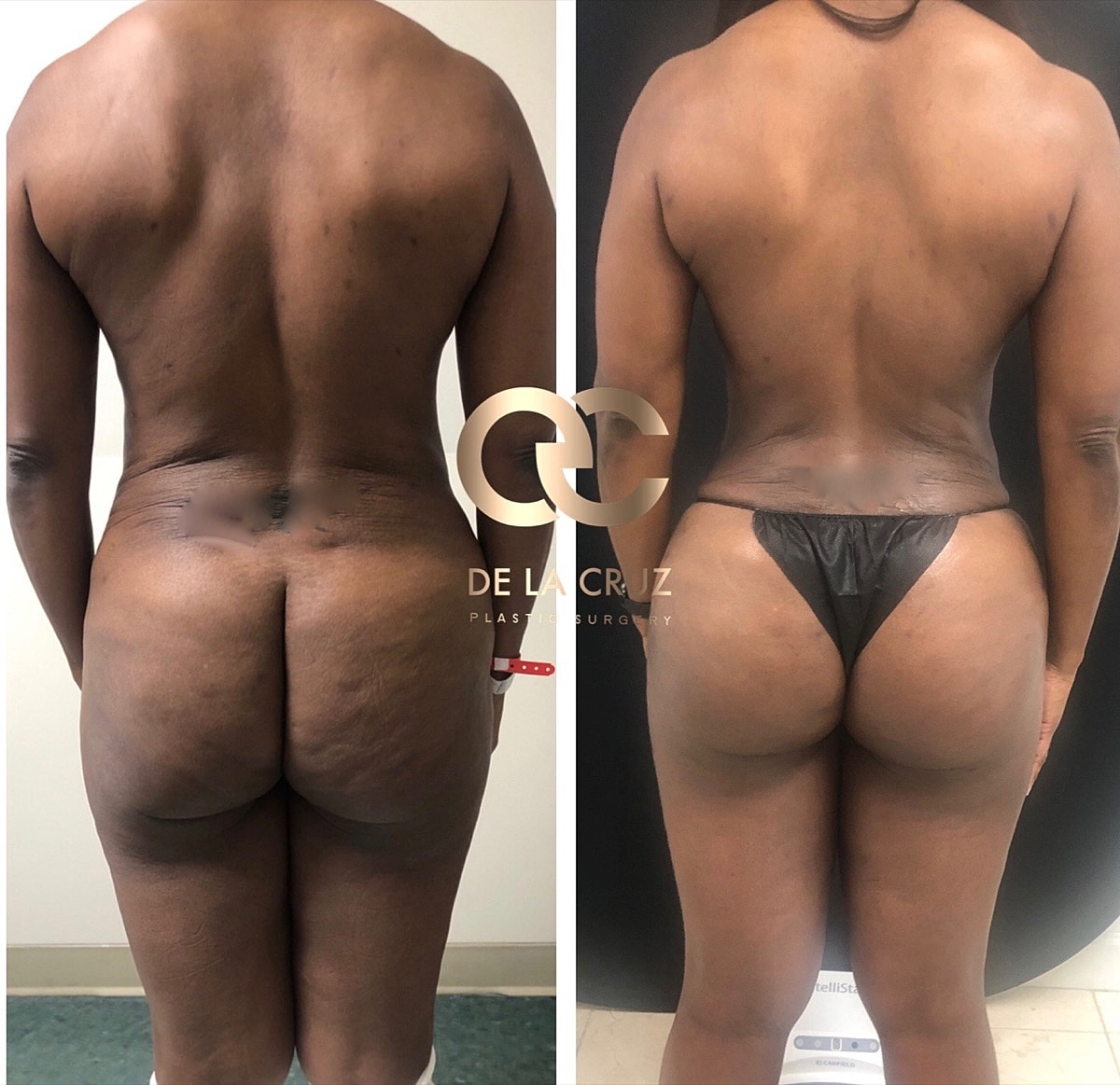
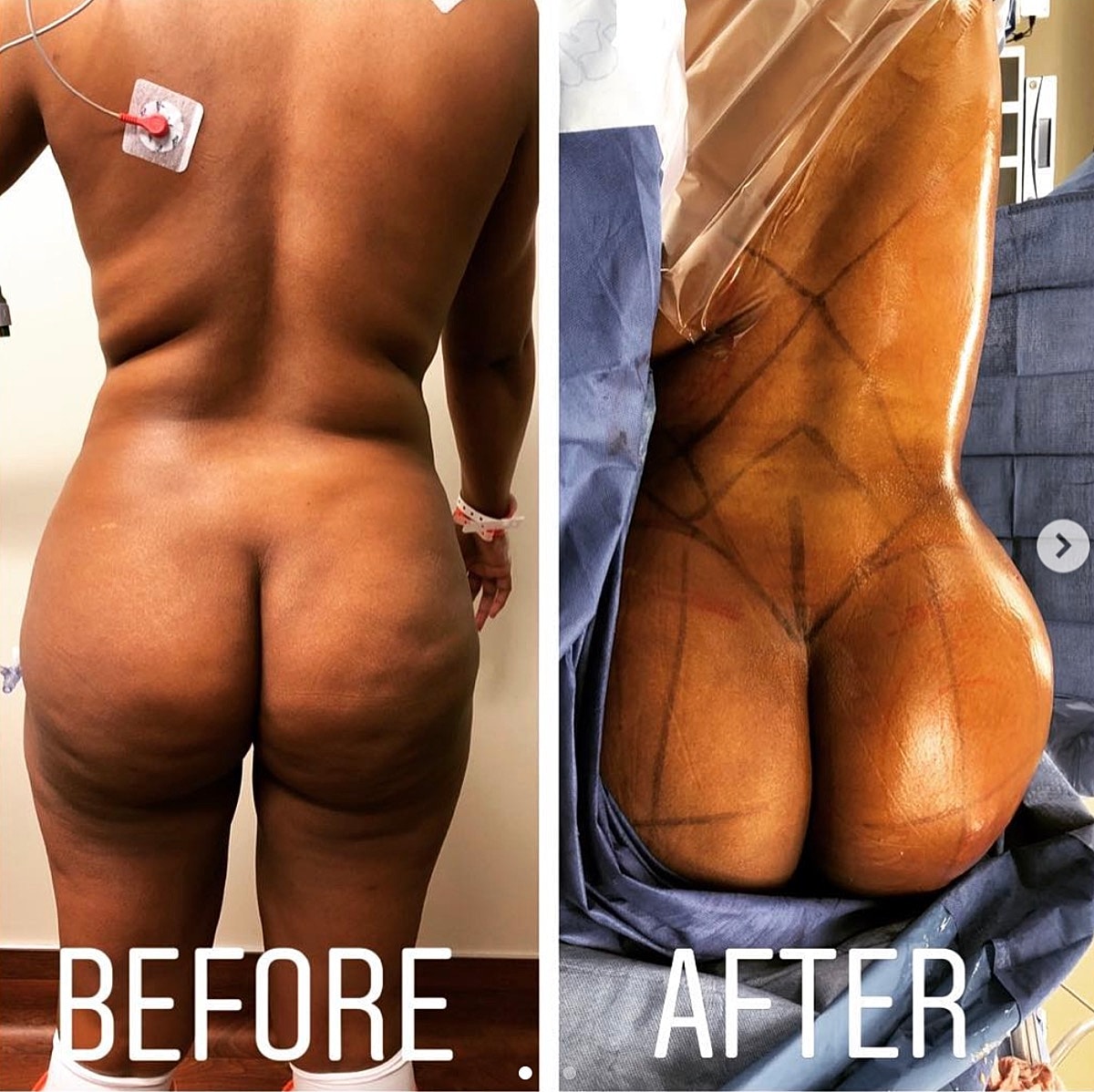
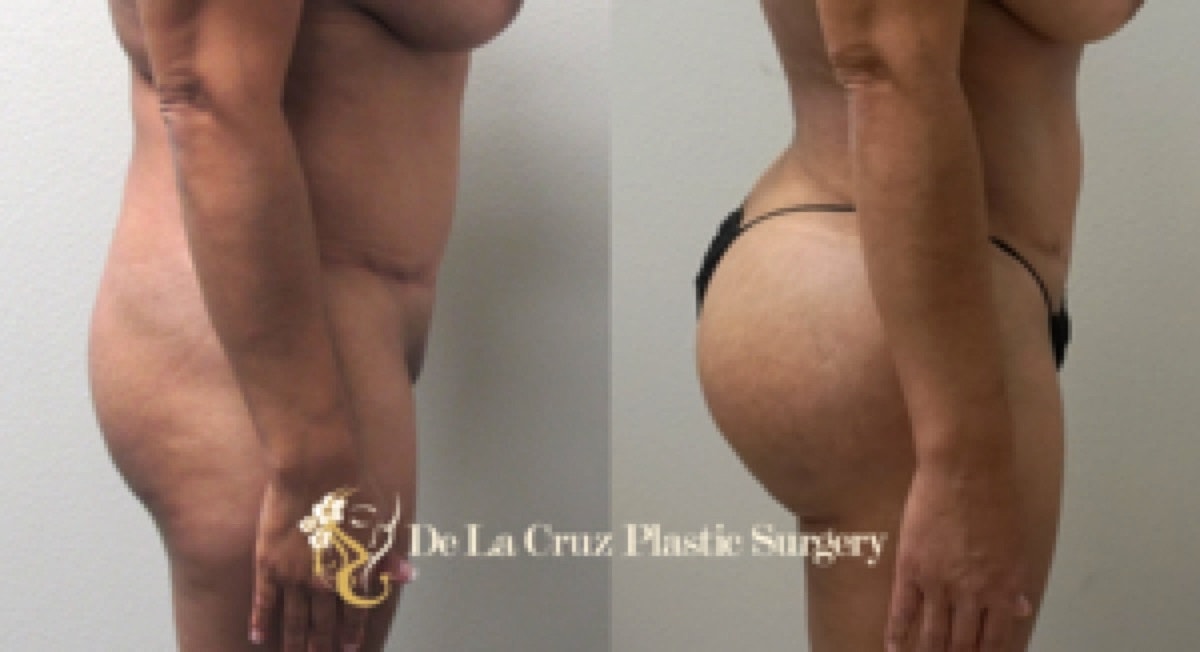
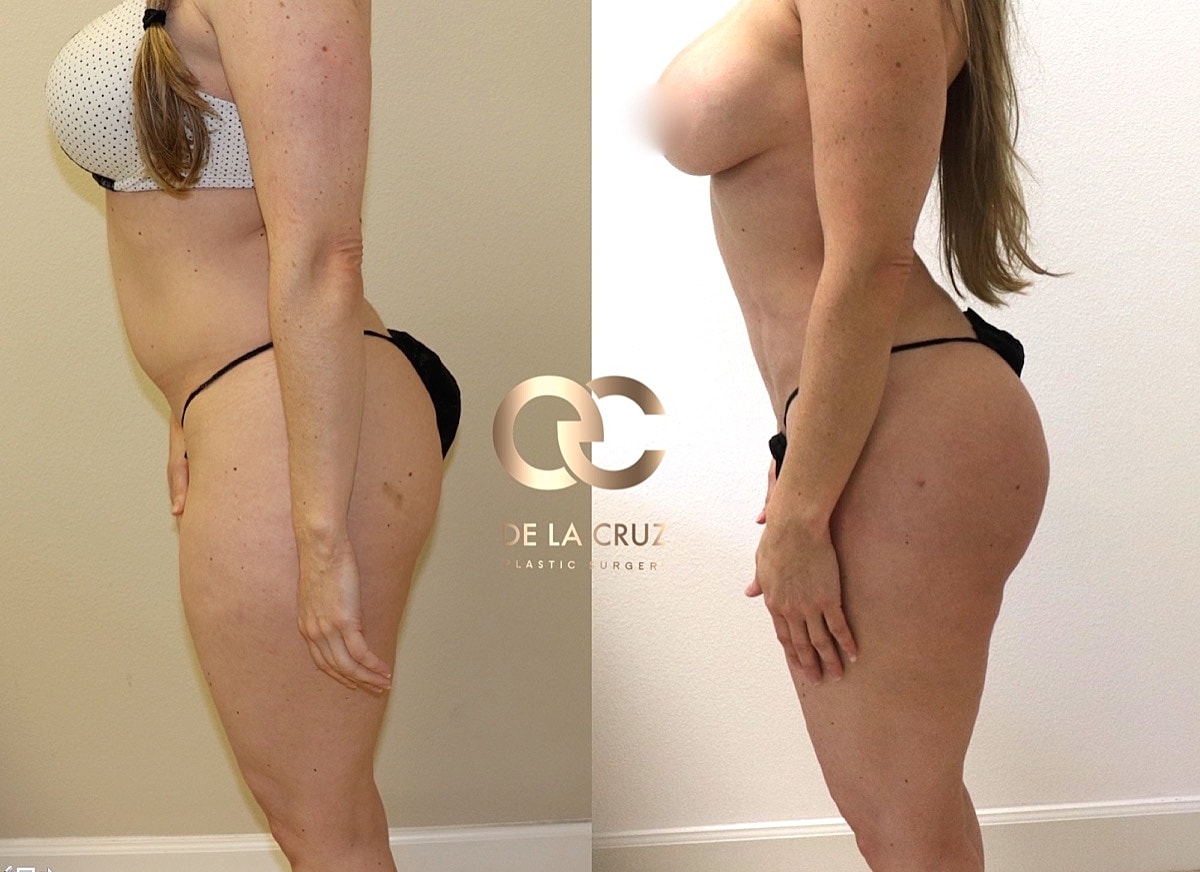
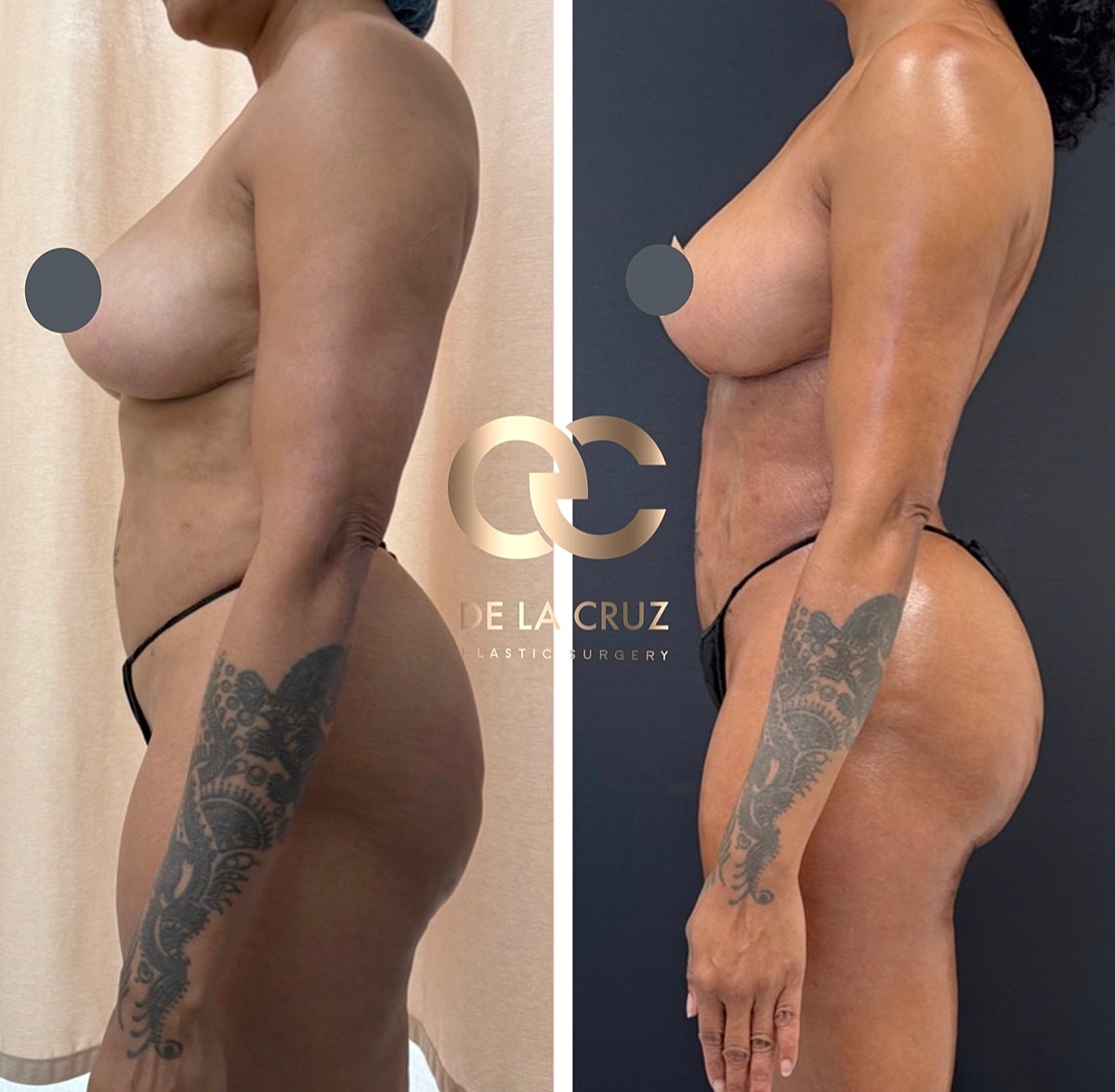
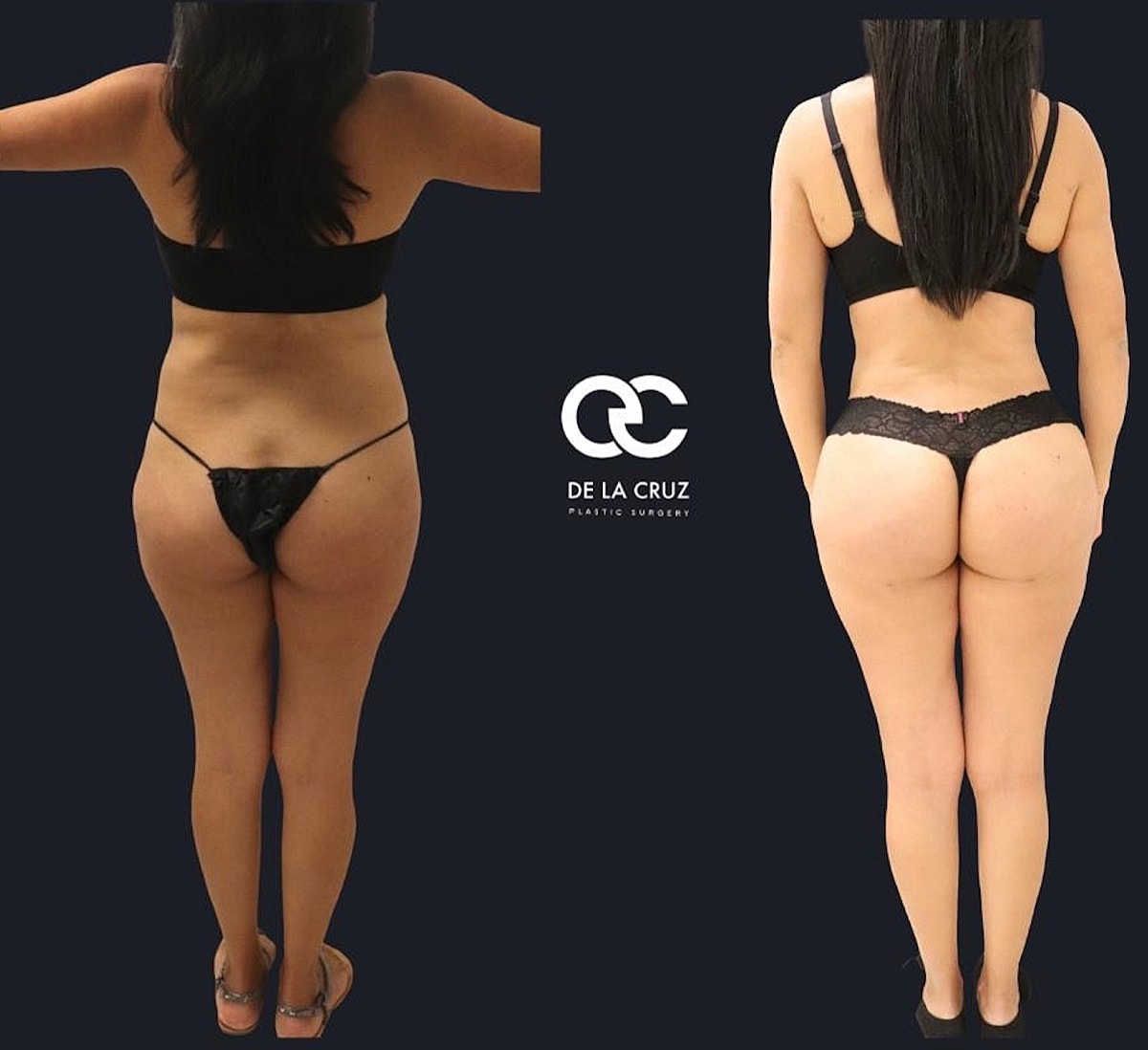
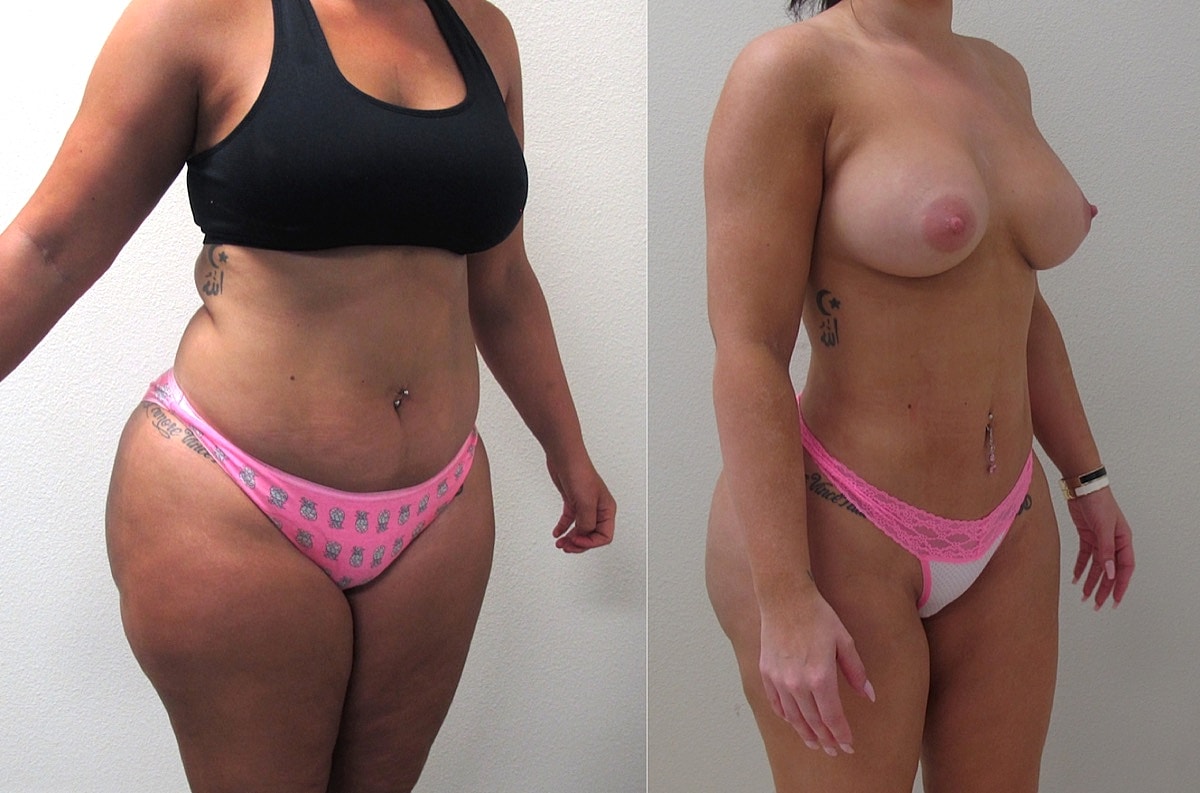
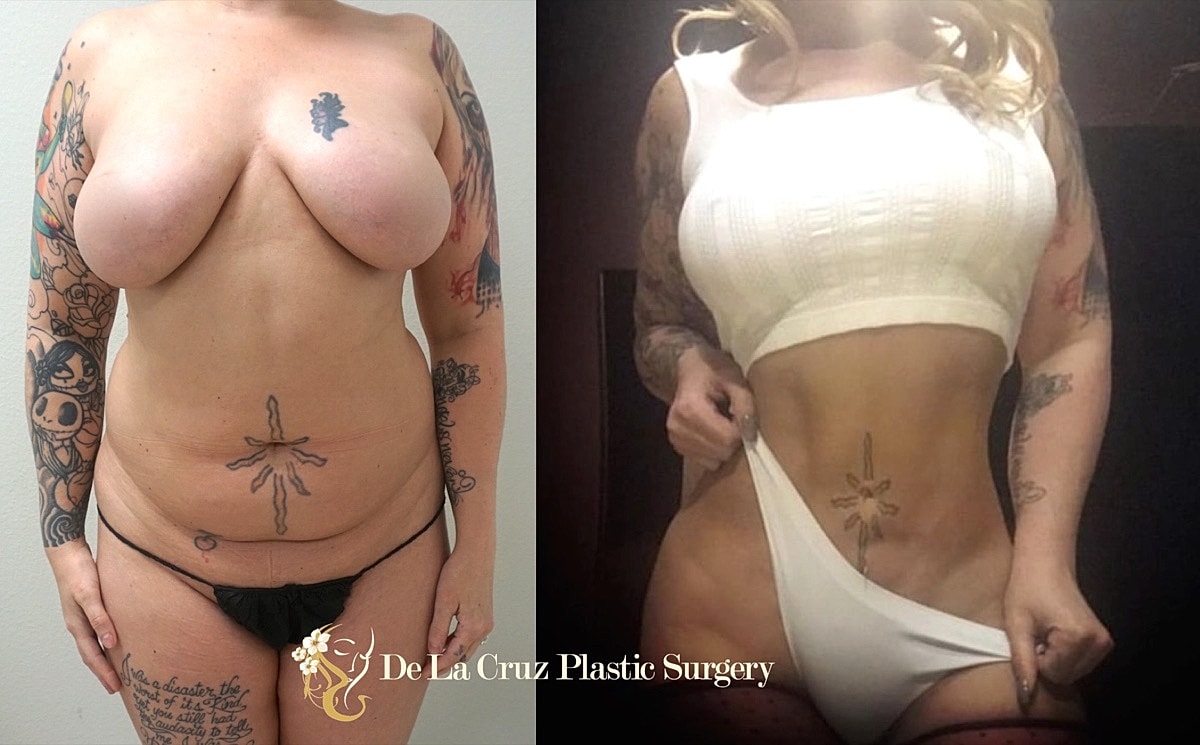
The Brazilian Butt Lift in Houston (BBL) has become one of the most sought-after body contouring procedures in the world—but also one of the most misunderstood.
A successful BBL is not simply about adding volume. It is about:
At De La Cruz Plastic Surgery, BBL surgery is approached as a combination of science, safety, and artistry—with an emphasis on natural, balanced results.
This guide is designed to serve as the central authority page for everything related to BBL surgery, connecting you to every critical topic you need to understand before and after your procedure. If you're considering surgery, learn more about our Brazilian Butt Lift procedure in Houston.
1 of 23
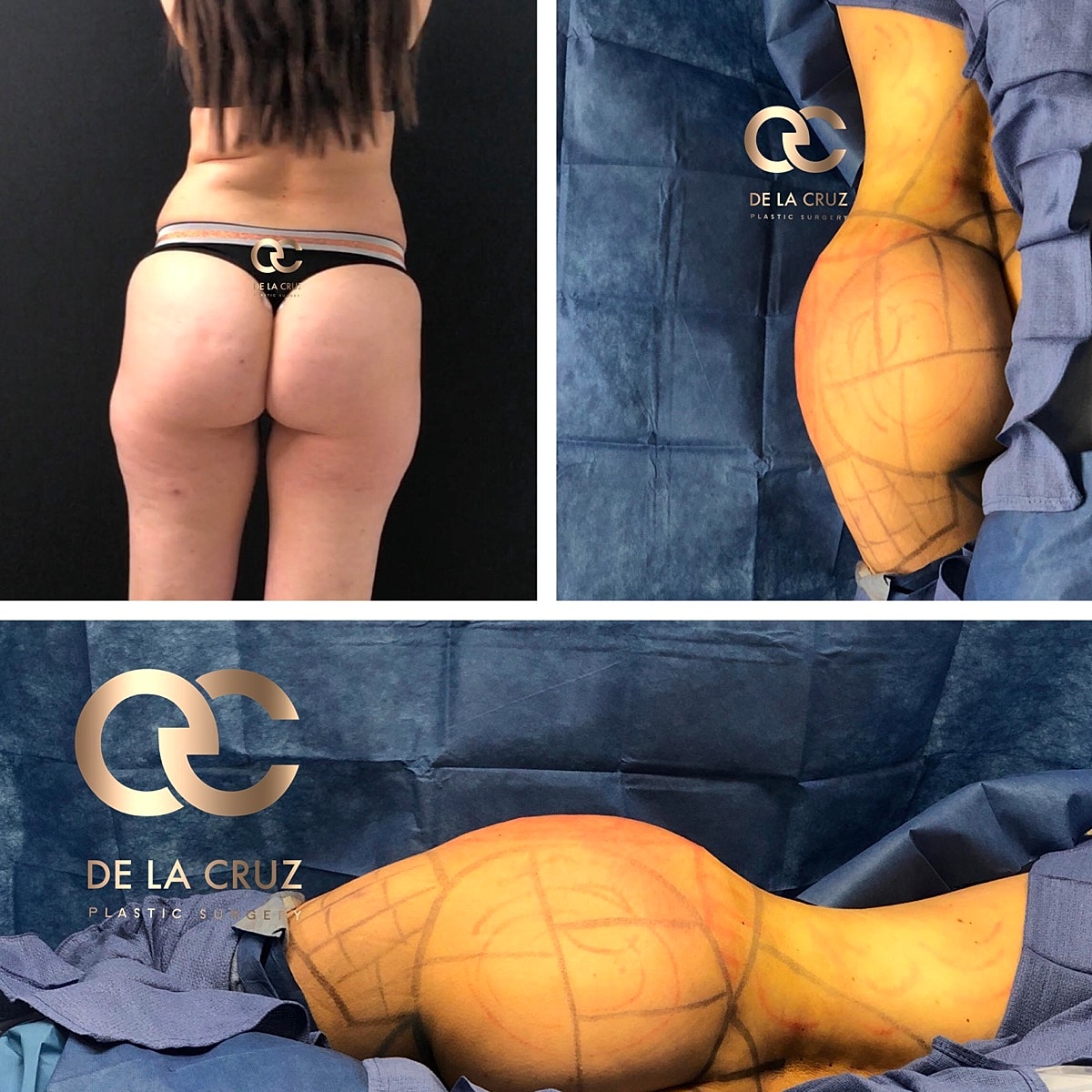
A BBL is a fat transfer procedure that:
👉 The key difference from implants:
If you are comparing procedures, see BBL vs butt implants for a full breakdown.
Who Is a Good Candidate for a BBL?
A Brazilian Butt Lift (BBL) is ideal for patients seeking a more sculpted, natural-looking enhancement of the buttocks using their own fat.
You may be a good candidate if you:
You may not be an ideal candidate if:
Individual Evaluation Matters
Every patient is different. The best candidates are determined through a comprehensive consultation, where anatomy, goals, and safety considerations are carefully evaluated.
Patients seeking personalized BBL evaluation often visit De La Cruz Plastic Surgery, where surgical planning focuses on proportion, safety, and long-term results—not just volume.
Candidacy is critical to both safety and results, which we explain further in who is a good candidate for a BBL.
One of the most common questions is: 👉 “Do I have enough fat for a BBL?”
The answer depends on:
Learn more in how much fat is needed for a BBL, including realistic expectations.

Recovery is one of the most important aspects of BBL success.
Patients must:
For a detailed breakdown, see BBL recovery timeline, which outlines healing week-by-week.
👉 Sitting too early is one of the biggest causes of fat loss.
Patients are typically advised to:
Learn the full timeline in when can you sit after a BBL.
Swelling is expected and evolves over time.
Understanding this helps patients avoid unnecessary concern and better track progress. See BBL swelling stages for a detailed explanation.
How long does a BBL last? A BBL can last many years—and often a lifetime—because the transferred fat becomes living tissue. After the initial healing phase, the surviving fat integrates permanently into your body. However, results can change with weight fluctuations, aging, and lifestyle factors.
Understanding Fat Survival: The Key to Longevity
Not all transferred fat survives after surgery.
Critical Timeline
Once fat survives, it behaves like normal fat in your body.Learn more in how long does a BBL last and what affects longevity.
A Brazilian Butt Lift (BBL) is one of the most powerful body contouring procedures—but like any surgery, it carries risks. Understanding what can go wrong is essential for making an informed, responsible decision.
When performed using modern safety protocols and proper technique, risks can be significantly reduced—but they are never zero.
MOST SERIOUS RISK: FAT EMBOLISM
The most critical complication associated with BBL is a fat embolism.
This occurs when fat enters the bloodstream and travels to the lungs.
How This Risk Is Reduced Today
Modern BBL techniques emphasize:
These changes have significantly improved safety when followed correctly.
INFECTION
Although uncommon, infection can occur after any surgical procedure.
Possible outcomes include:
Patients with certain conditions (e.g., immunocompromised states) may have an increased risk of infection and may require additional medical clearance prior to surgery.
FAT NECROSIS AND OIL CYSTS
Not all transferred fat survives.
This can lead to:
These findings are typically benign but may:
ASYMMETRY OR CONTOUR IRREGULARITIES
Despite careful technique, perfect symmetry is not guaranteed.
Potential issues include:
Some patients may require revision procedures to optimize results.
FAT RESORPTION (LOSS OF FAT VOLUME)
A portion of transferred fat does not survive.
This is expected and accounted for during surgery, but in some cases:
SEROMA (FLUID COLLECTION)
Fluid accumulation can occur in liposuction areas or the buttocks.
SKIN LAXITY or LOOSE SKIN
Removing fat does not always guarantee skin contraction.
Understand the full risk profile in BBL safety & risks.
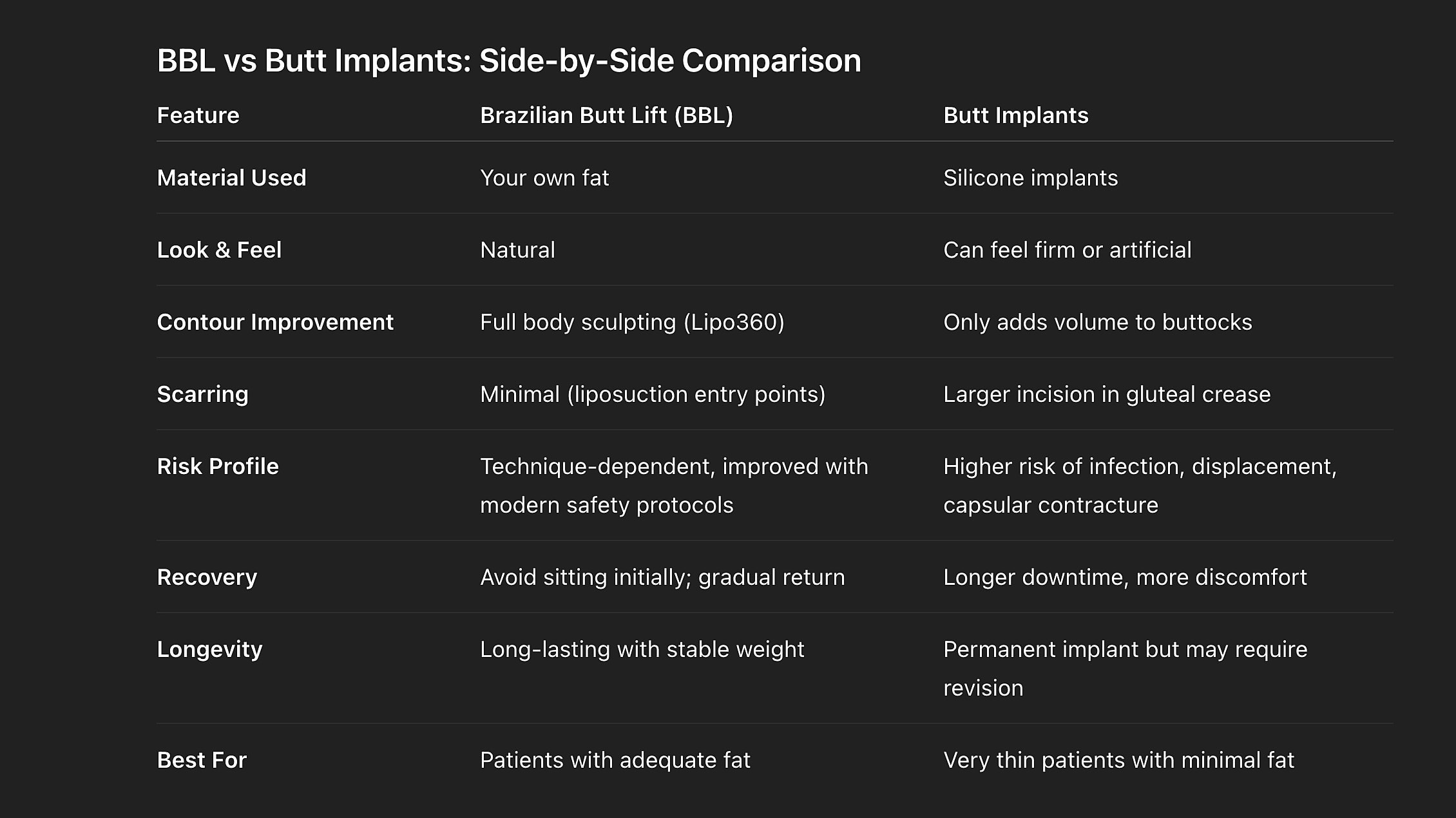
When patients search for buttock enhancement, the two most common options are the Brazilian Butt Lift (BBL) and buttock implants. While both aim to improve projection and shape, they are fundamentally different in technique, safety profile, and long-term results.
Understanding these differences is critical in choosing the right procedure.
What Is a Brazilian Butt Lift (BBL)?
A BBL uses your own fat to enhance the buttocks.
Key Advantage: Enhances both the donor areas (Lipo360) and the buttocks simultaneously, creating a more defined, proportional body.
What Are Butt Implants?
Buttock implants involve placing solid silicone implants into or beneath the gluteal muscle.
Check our section on BBL vs butt implants for a full comparison.
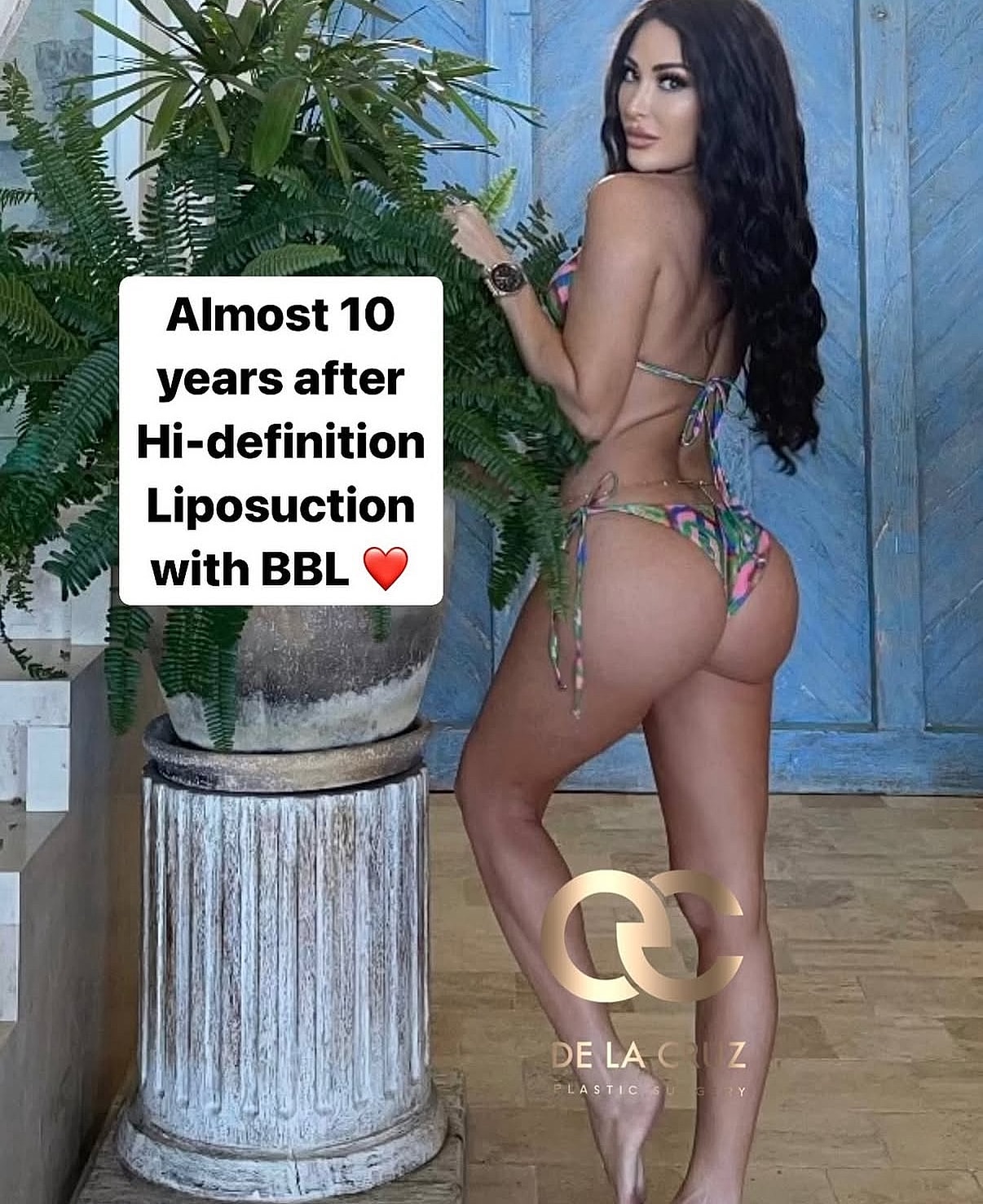
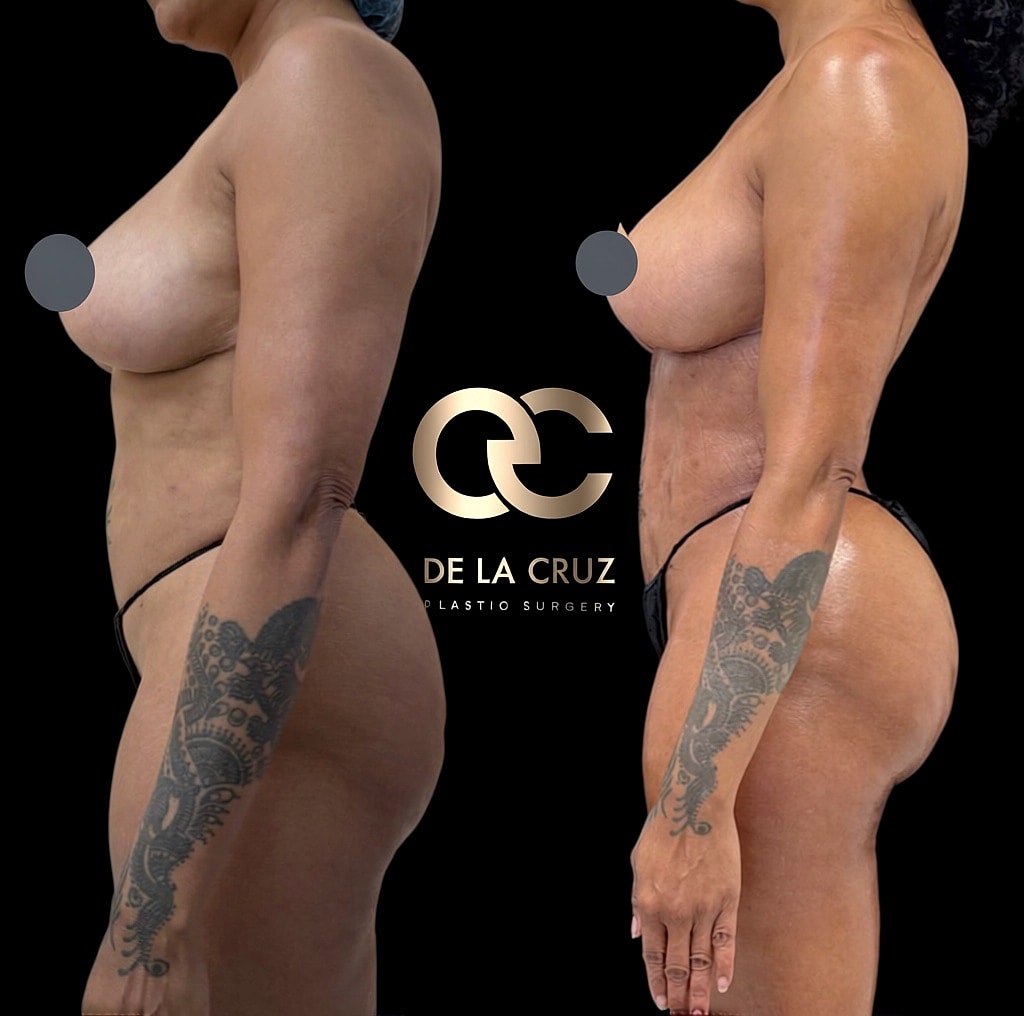
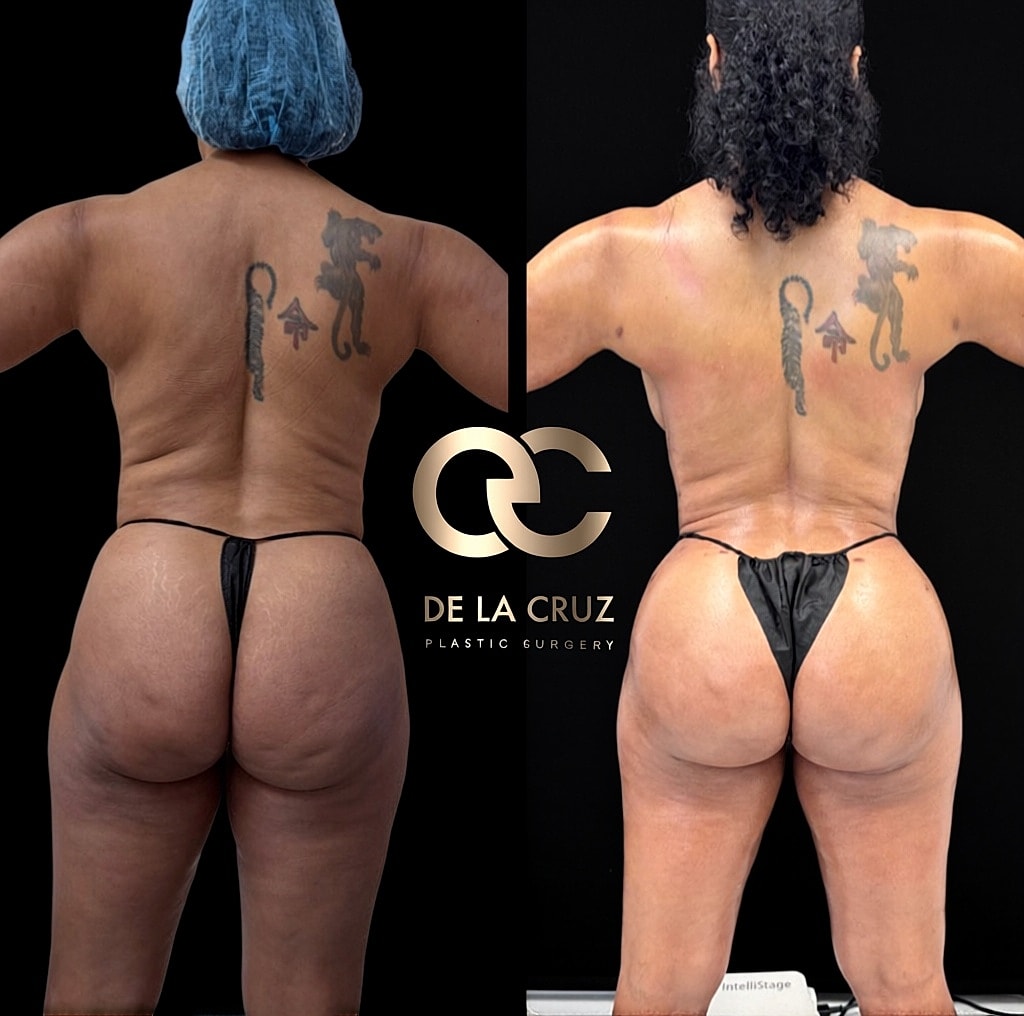
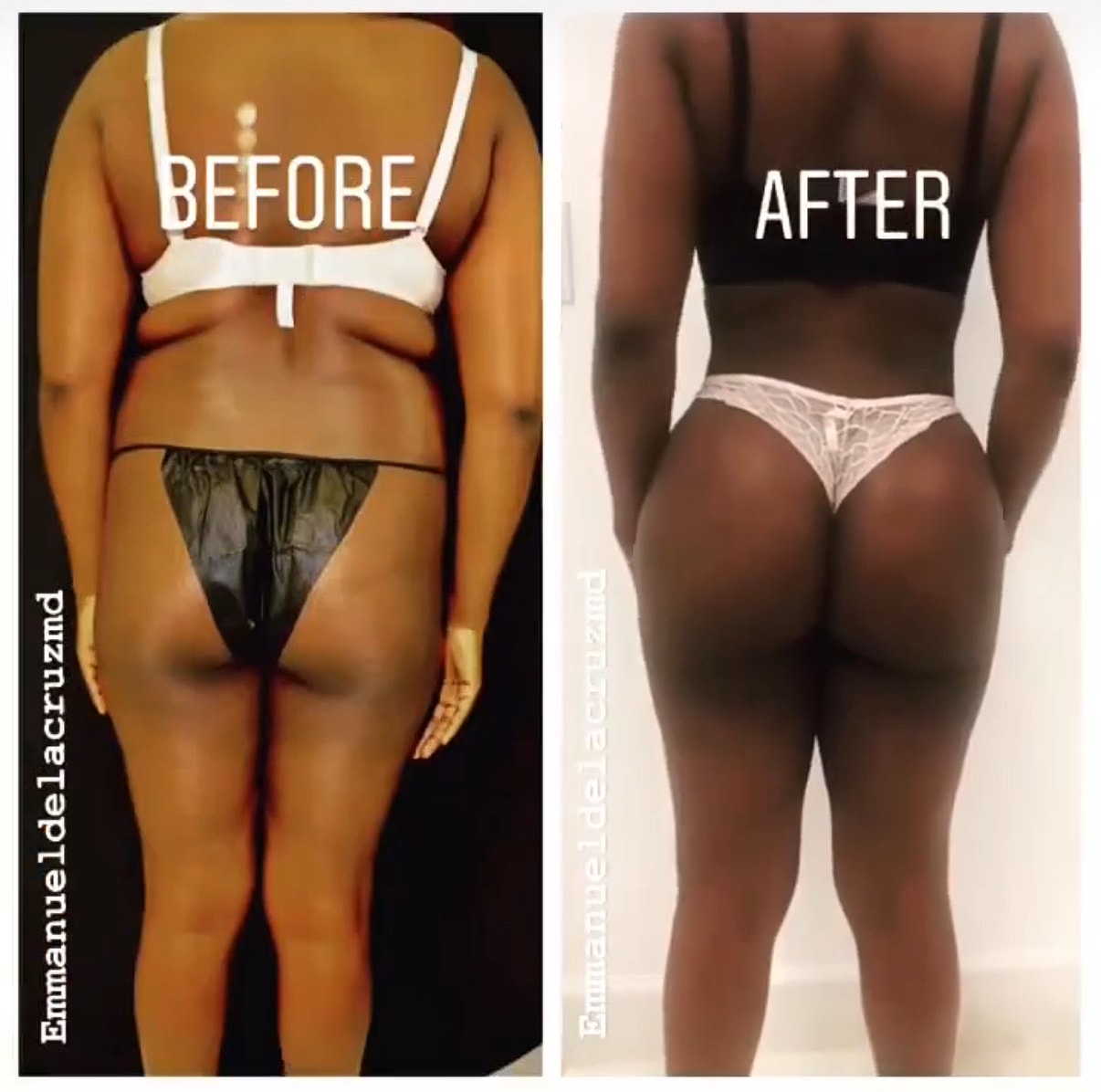
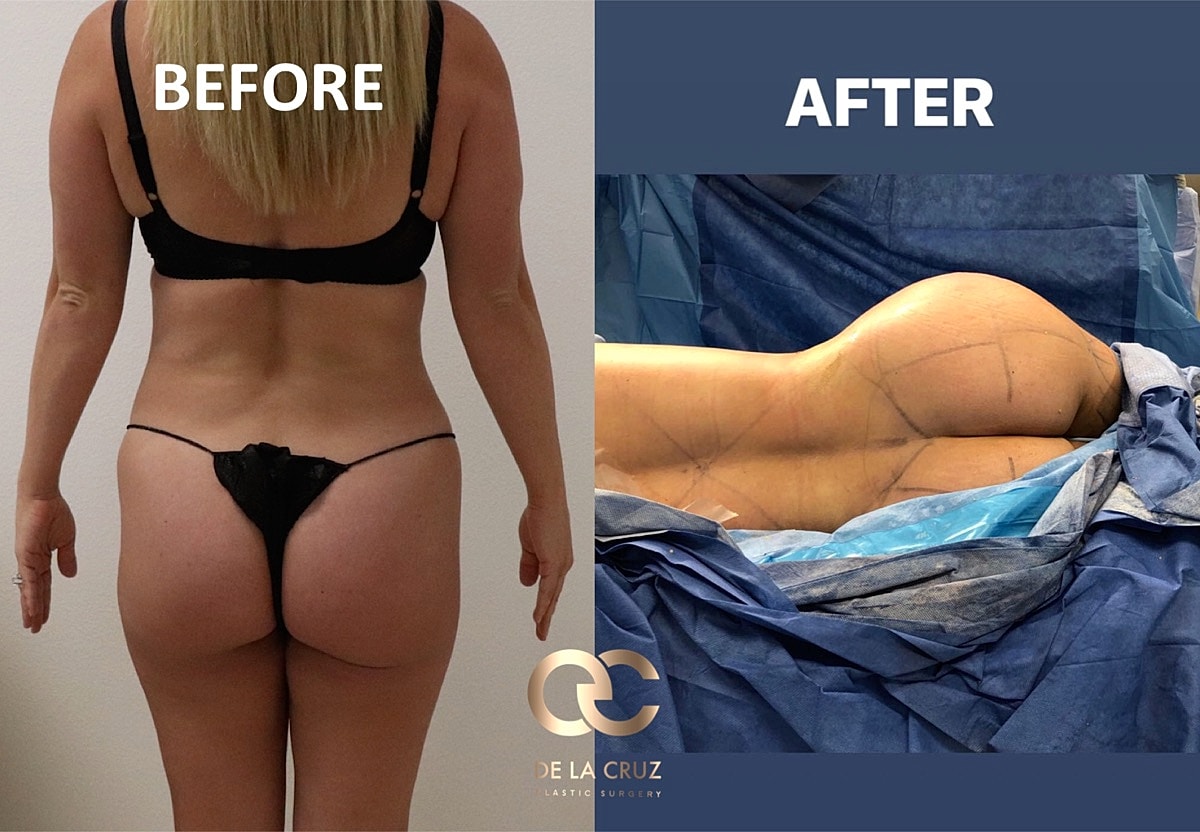
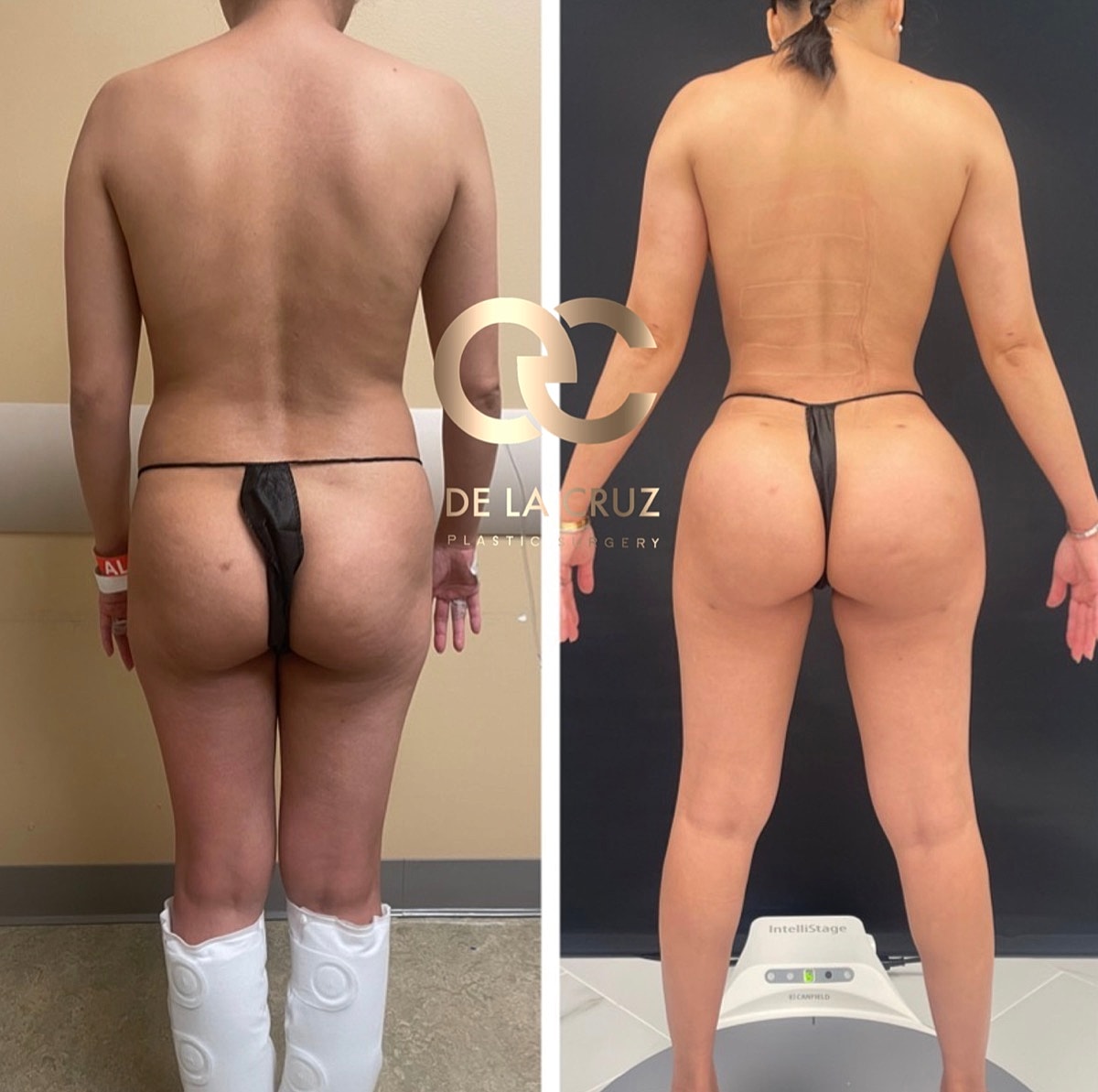
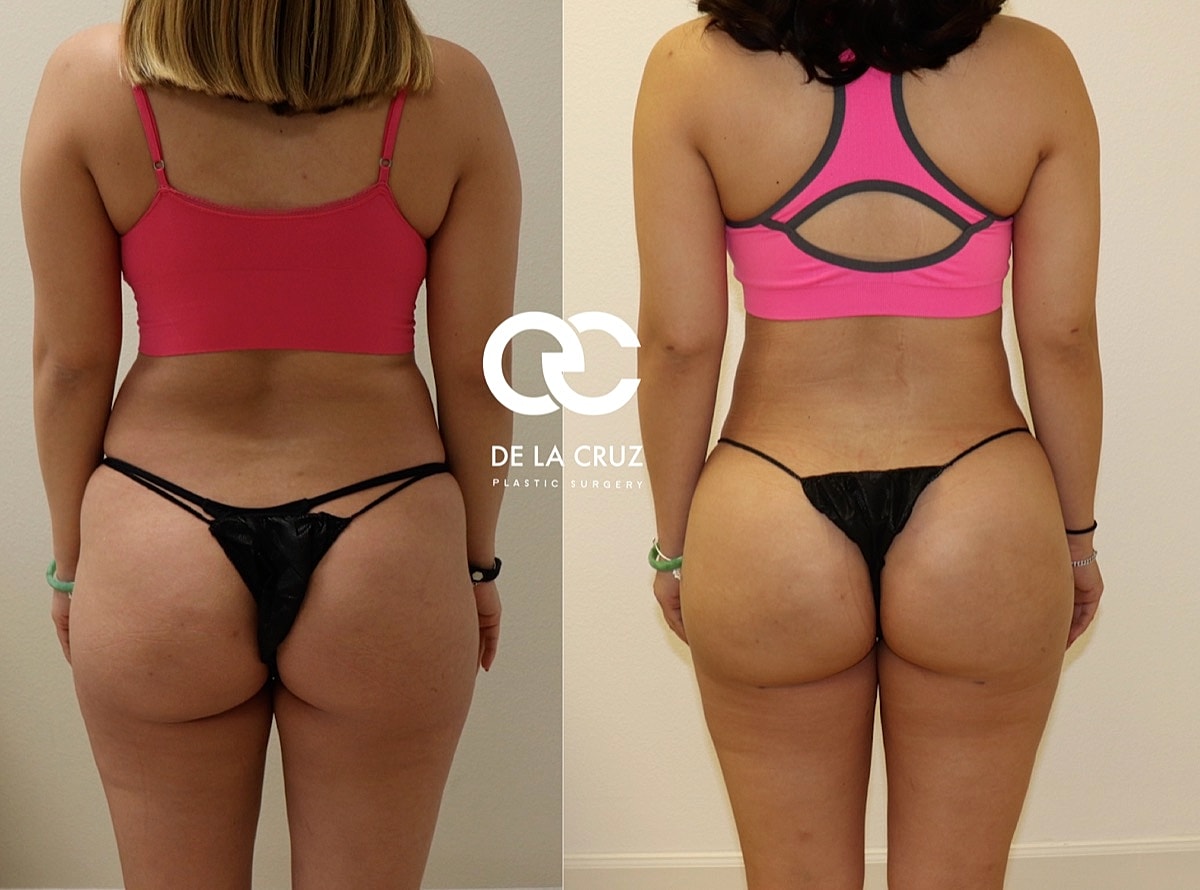
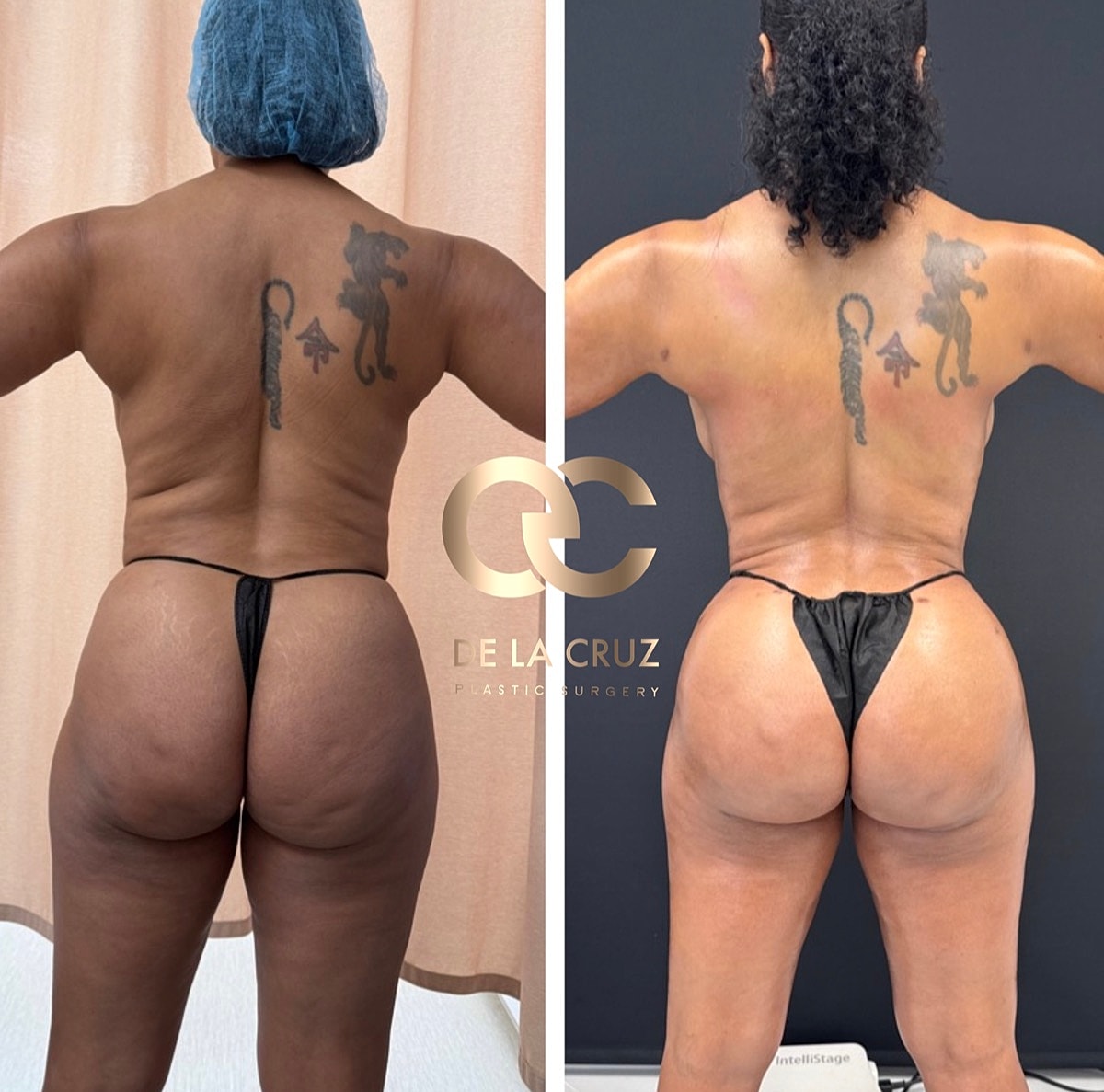
The goal of modern BBL: 👉 Natural, proportionate contour—not exaggerated volume
Key principles:
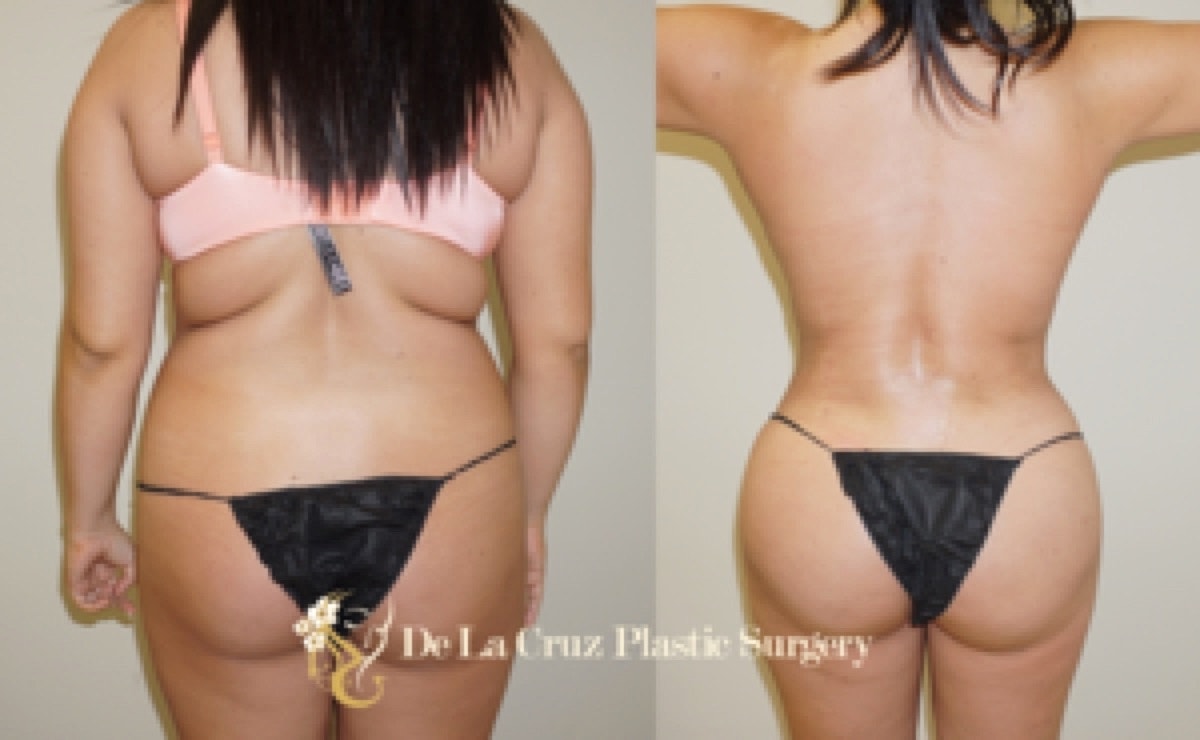
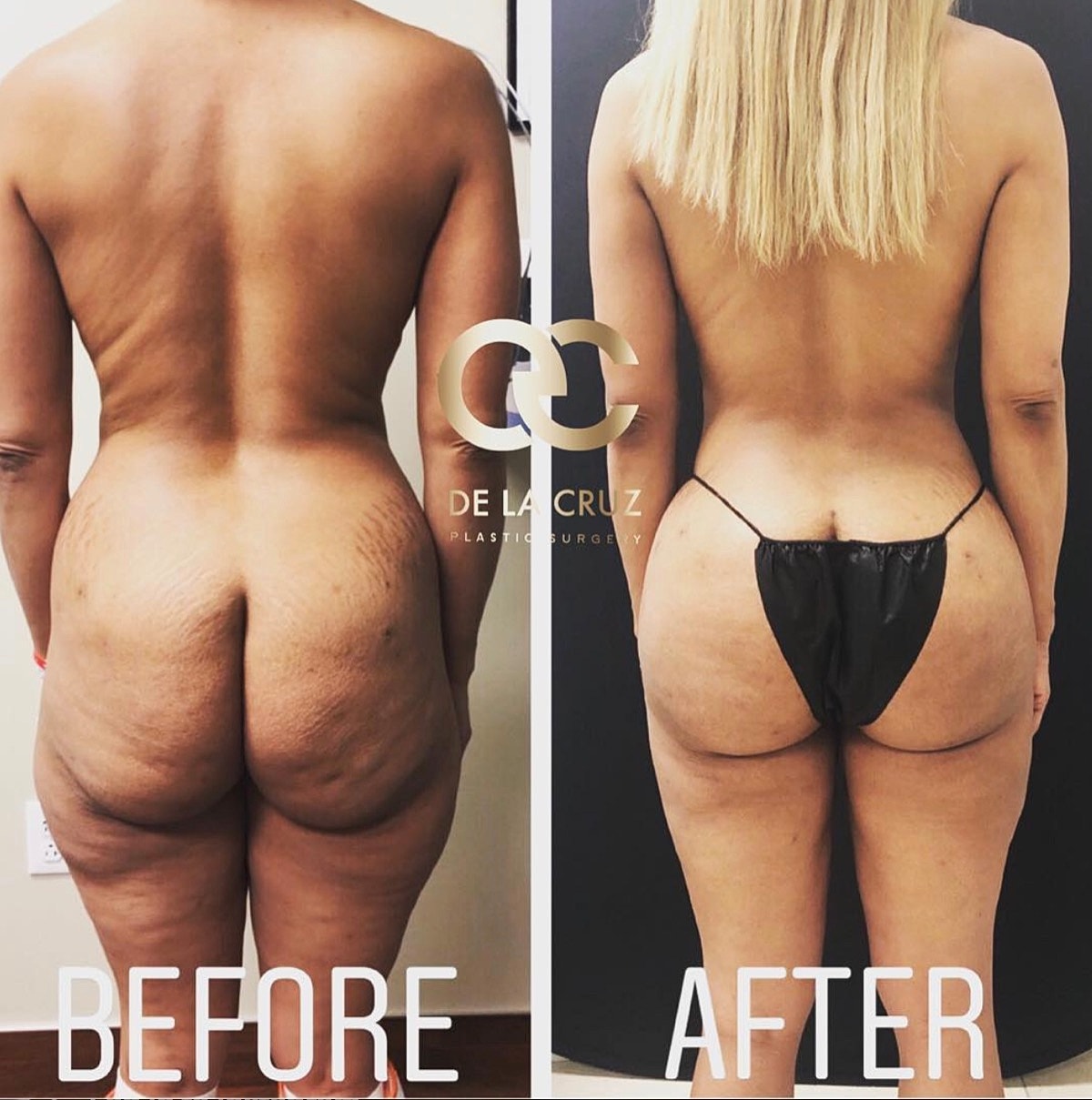
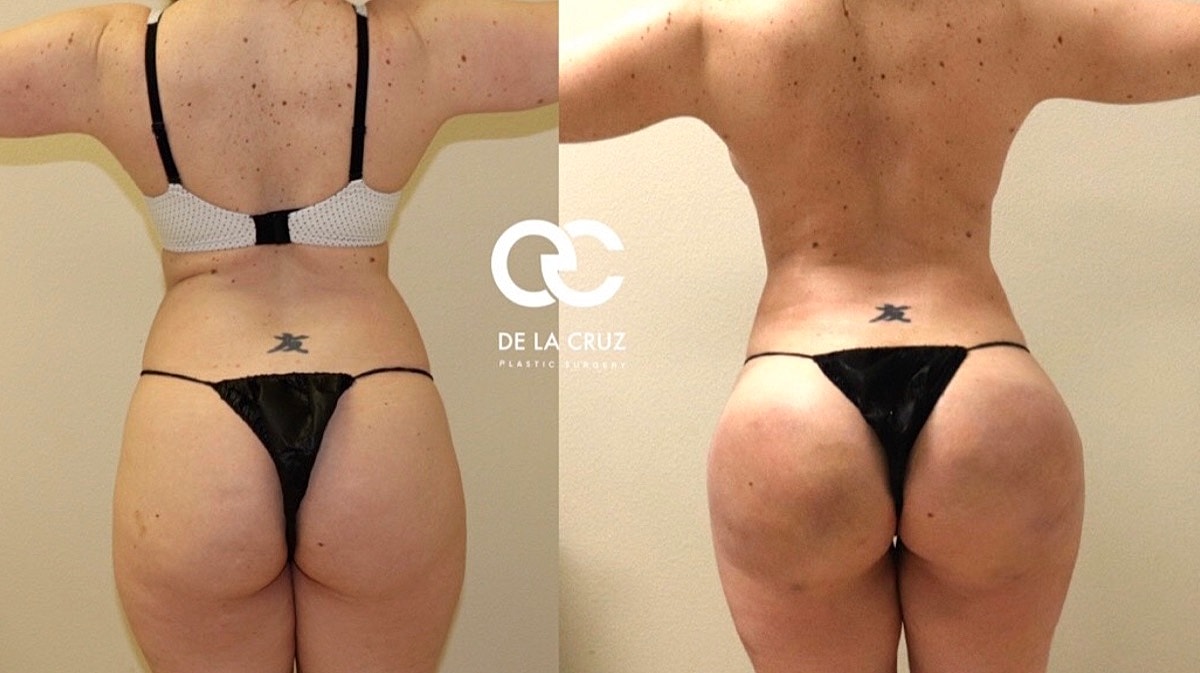
Explore examples in natural BBL results.
The cost of a Brazilian Butt Lift (BBL) varies widely based on the technique, complexity, and surgeon expertise.
Average Cost Range
What Affects the Cost of a BBL?
1. Surgeon Expertise and Credentials
Highly experienced, board-certified plastic surgeons—especially those specializing in high-definition liposuction and fat grafting—often command higher fees due to safety, consistency, and results.
2. Liposuction Technology Used
Advanced technologies can impact both results and cost:
3. Extent of Liposuction (Lipo360 vs Limited Areas)
A true BBL involves full-body contouring, not just fat transfer.
4. Primary vs Revision BBL
5. Facility, Anesthesia, and Safety Protocols
Costs may include:
Cost varies significantly—see our BBL Cost Guide Houston
Not all Brazilian Butt Lift procedures achieve the desired outcome. In fact, a growing number of patients seek Revision BBL to correct aesthetic concerns, improve contour, or address complications from prior surgery.
Revision BBL is significantly more complex than a primary procedure—and requires a higher level of surgical judgment, precision, and experience.
What Is a Revision BBL?
A Revision BBL is a secondary procedure performed to:
Unlike a primary BBL, revision surgery must work around:
Learn more in revision BBL.
Choosing the right surgeon for a Brazilian Butt Lift is critical—because a BBL is not just about volume, but total body sculpting.
Dr. Emmanuel De La Cruz combines advanced surgical technique, artistic precision, and internationally recognized expertise to deliver natural, balanced results.
🌟 Award-Winning Expertise
🎨 Artistic Precision
Classically trained sculptor—approaches the body in three dimensions to create natural, proportionate results.
🧪 Advanced Hi-Def Liposuction
Specialist in VASER 4D high-definition body sculpting, enhancing both fat removal and fat grafting precision.
🛡️ Safety-First Technique
Follows modern BBL safety protocols including subcutaneous-only fat injection and meticulous fat grafting techniques.
🌎 Nationally Sought-After Surgeon
Patients travel from across the United States for natural results, advanced techniques, and consistent outcomes.
👉 The difference: a refined, natural silhouette—not an overdone result
Learn more in About Dr. De La Cruz.

A Brazilian Butt Lift is a fat transfer procedure that removes fat from areas like the abdomen or flanks and injects it into the buttocks to enhance shape, volume, and contour.
Ideal candidates have enough fat for transfer, are in good health, and want to improve buttock shape and projection. Candidacy depends on body composition and goals.
The amount of fat required depends on your desired outcome and available donor fat. Patients need sufficient fat from areas such as the abdomen, back, or thighs.
Initial recovery takes about 2–3 weeks, but full healing and final results can take several months.
Most patients must avoid sitting directly on their buttocks for several weeks (8 weeks). Special cushions are often used to reduce pressure during recovery.
Swelling can last several weeks to months and gradually improves over time as healing progresses.
Typically, around 30 percent of the transferred fat is reabsorbed by the body. The remaining fat that establishes blood supply becomes permanent.
BBL results can be long-lasting if you maintain a stable weight and healthy lifestyle.
BBL safety depends on surgical technique and surgeon experience. Modern safety protocols focus on proper fat placement and avoiding high-risk areas.
About the Author
Dr. Emmanuel De La Cruz, MD is a double-board-certified plastic surgeon in Houston, Texas, certified by both the American Board of Plastic Surgery and the American Board of Surgery. He specializes in advanced liposuction and body contouring procedures, including high-definition liposculpture, Brazilian Butt Lift (BBL), revision liposuction, and treatment of lipedema.
Dr. De La Cruz is internationally recognized for his expertise in high-definition liposuction and contour sculpting techniques, which play a critical role in achieving balanced, natural-looking results in procedures such as liposuction and Brazilian Butt Lift surgery. His work focuses on precise body contour sculpting to enhance overall body proportions.
He has lectured internationally on liposuction techniques, fat grafting, and contour irregularity correction, presenting at major scientific meetings including the American Society of Plastic Surgeons (ASPS), the Total Definer Meeting in Bogotá, Colombia, the InMode Symposium in Miami and Beverly Hills, and AestheticStanbul in Istanbul, Turkey, where he was invited to lecture by renowned plastic surgeon Dr. Foad Nahai.
Dr. De La Cruz has also contributed to the scientific literature on liposuction and body contouring. He is the author of “Lipoplasty in the Overweight Patient”, published in the peer-reviewed journal Clinics in Plastic Surgery.
Through his clinical work, research, and international lectures, Dr. De La Cruz focuses on advancing safe, precise, and refined techniques in liposuction, BBL surgery, and modern body contouring.