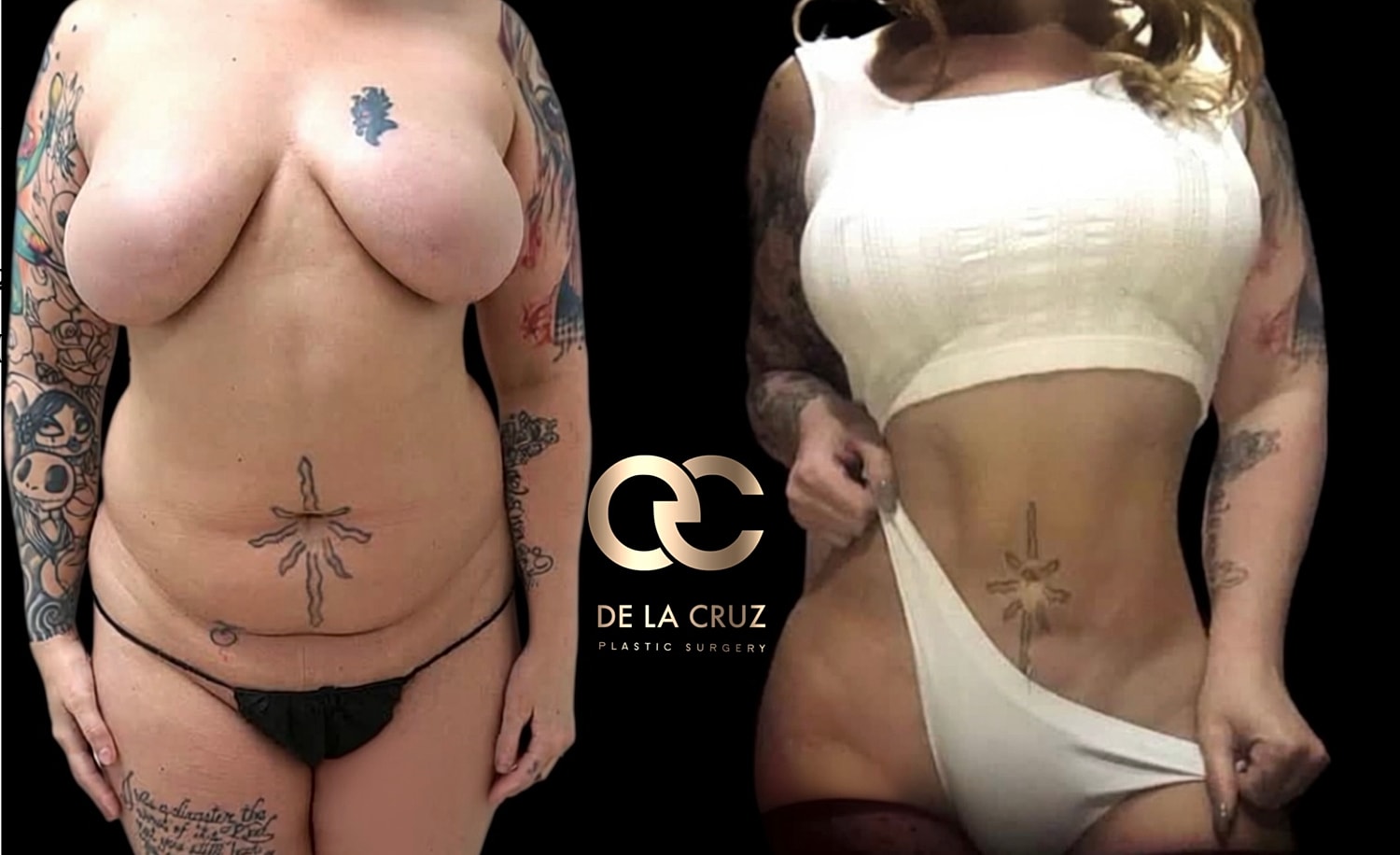
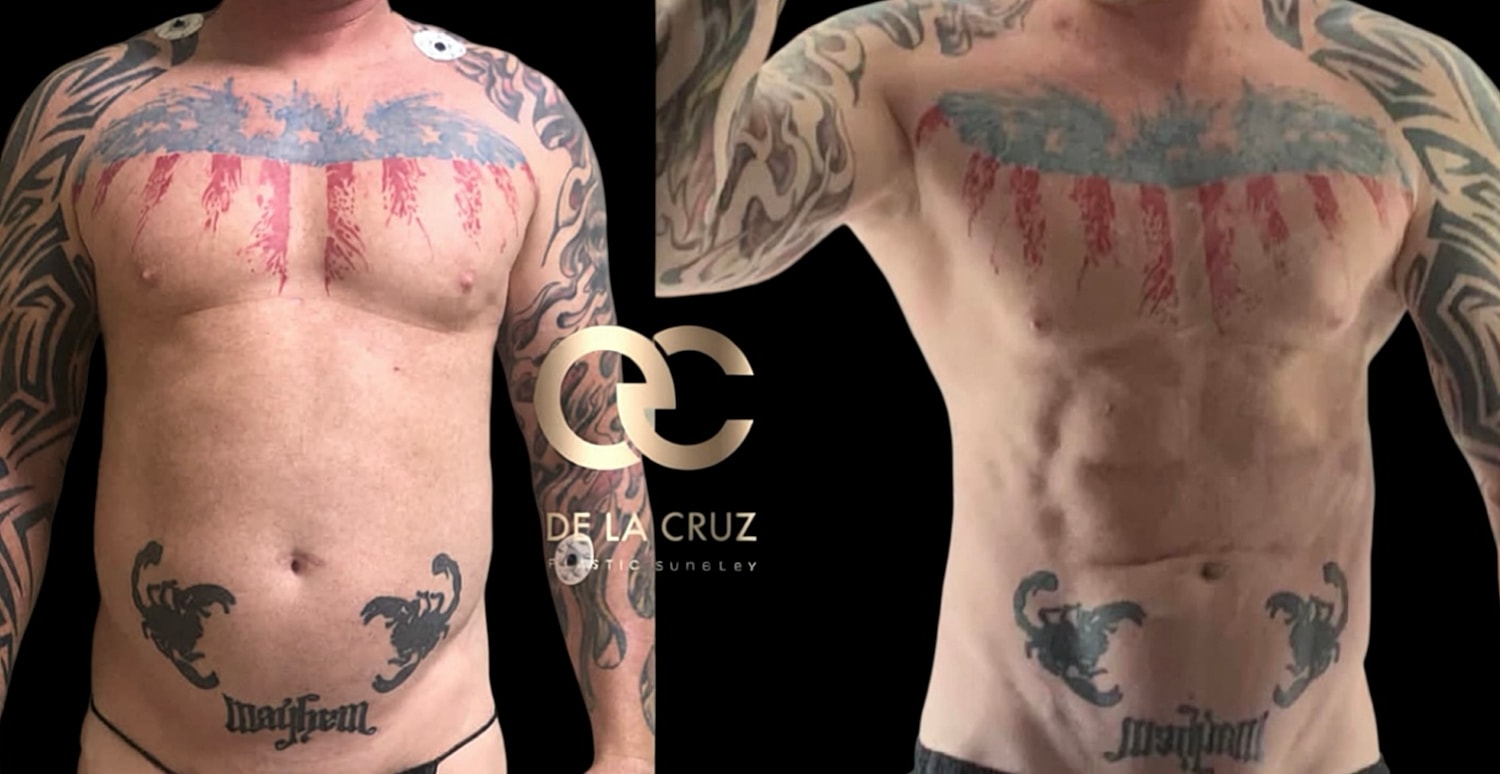
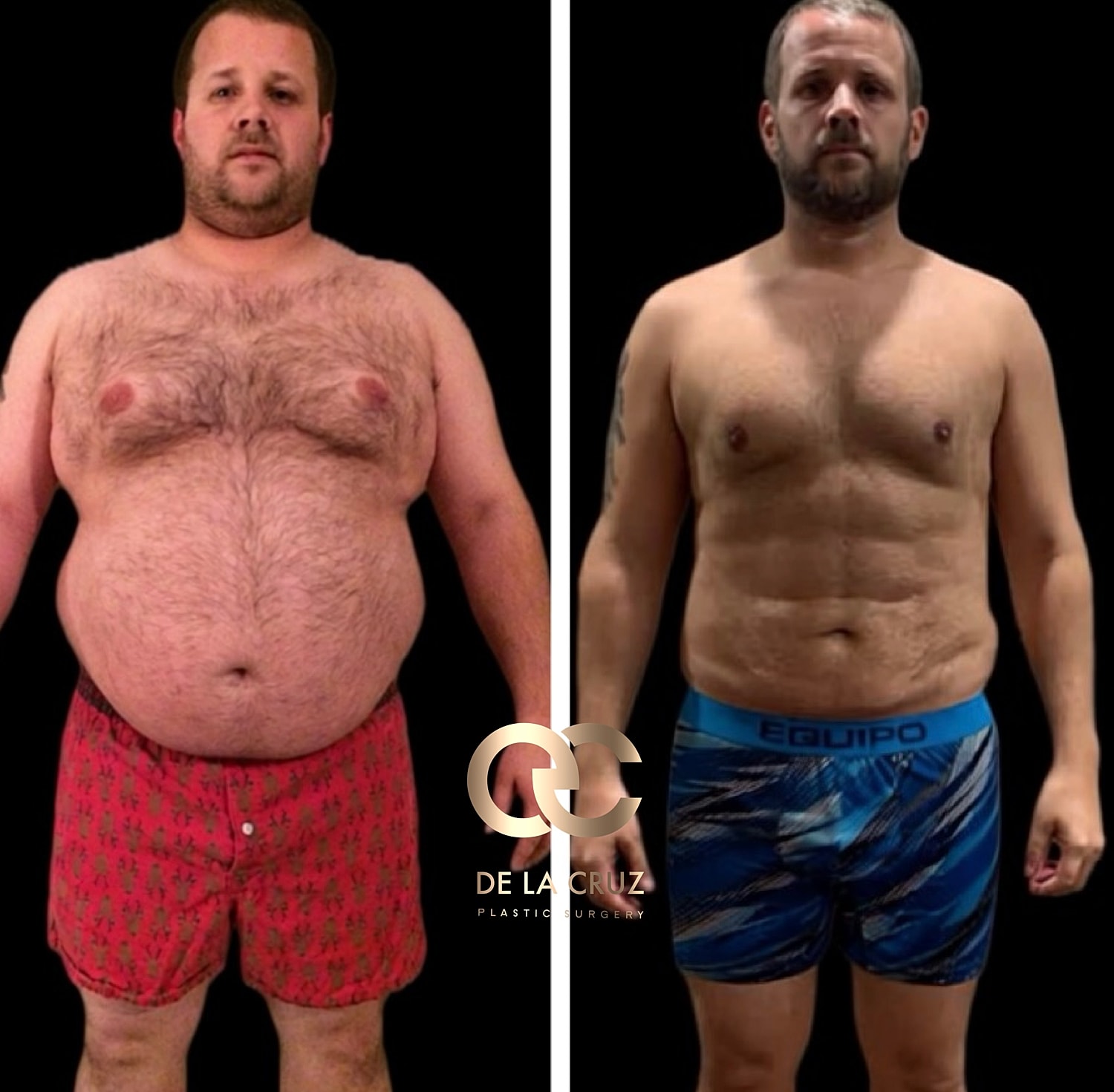
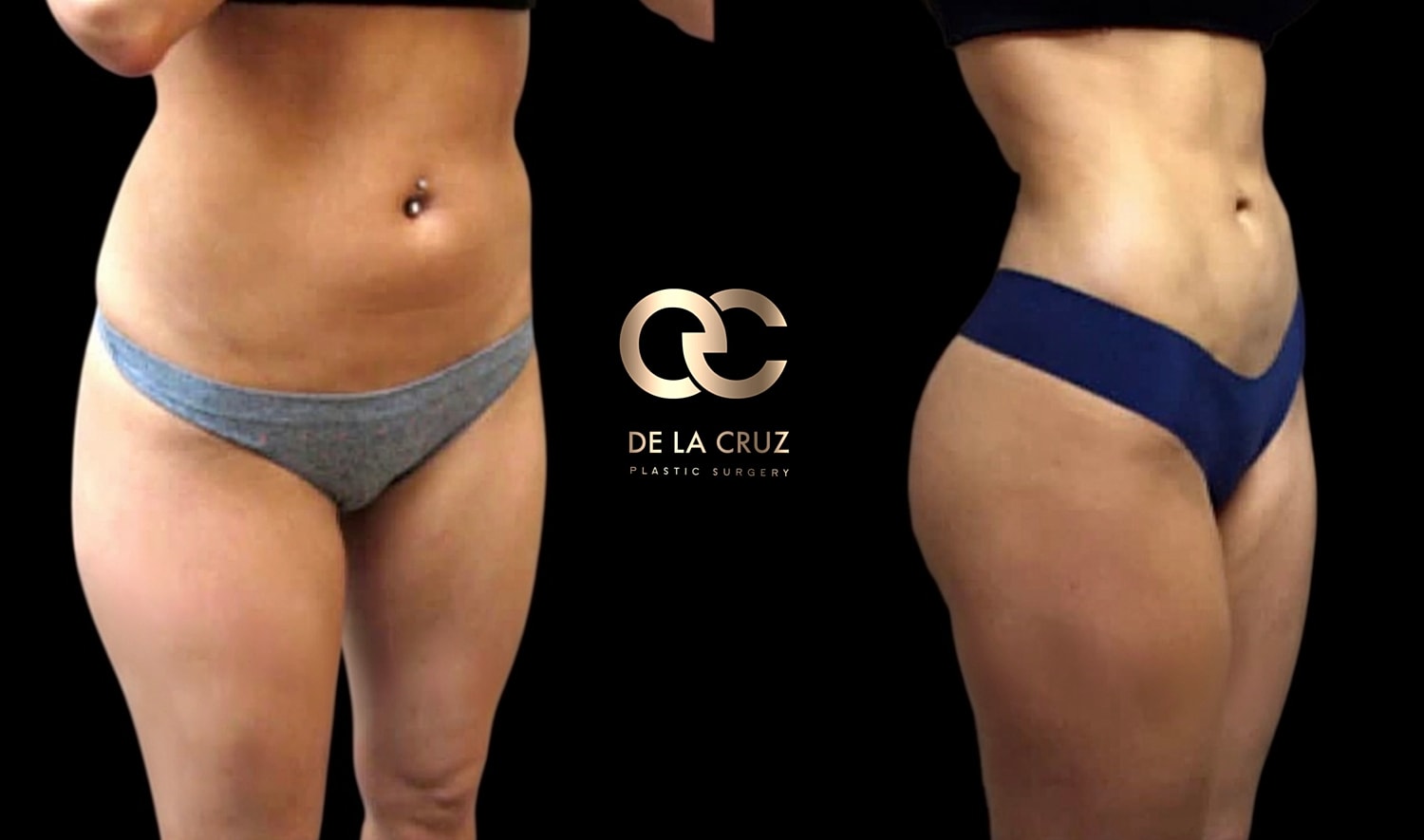
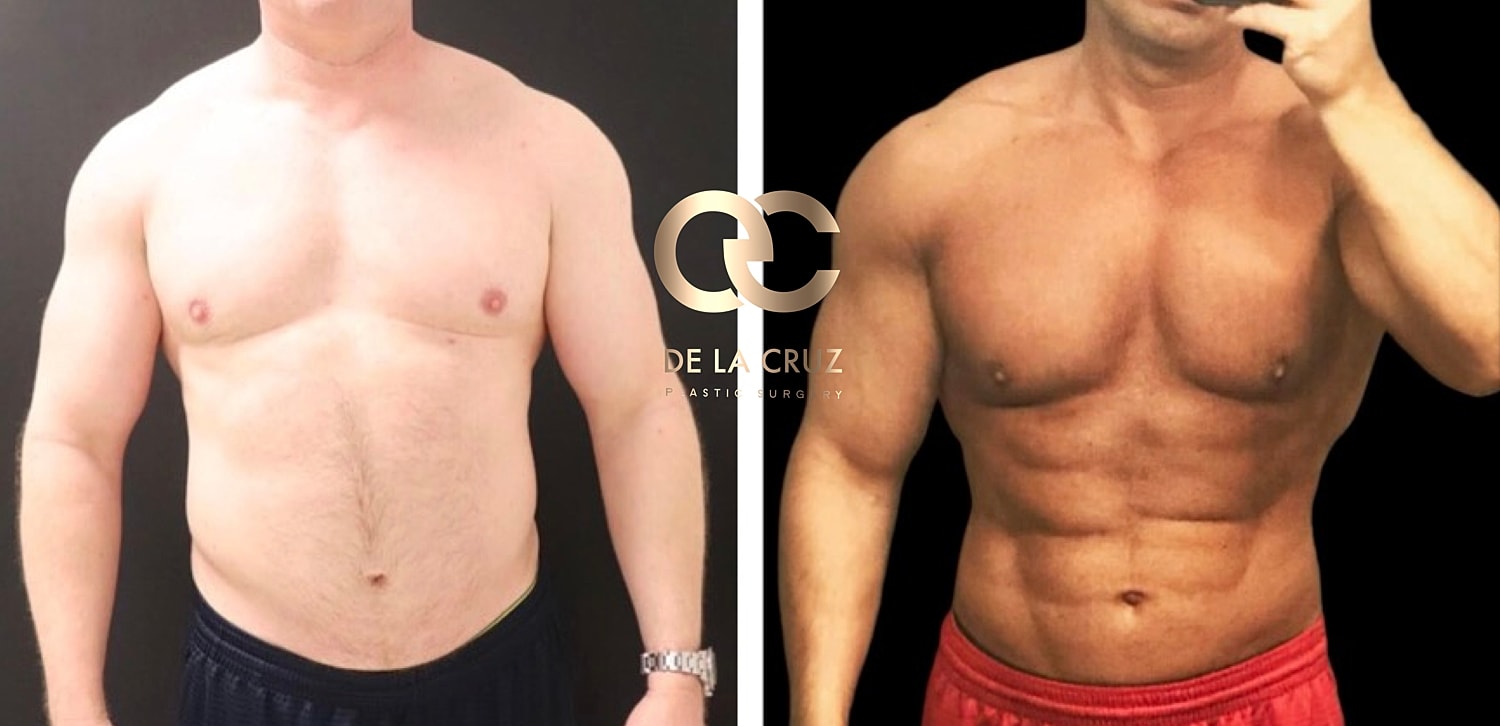
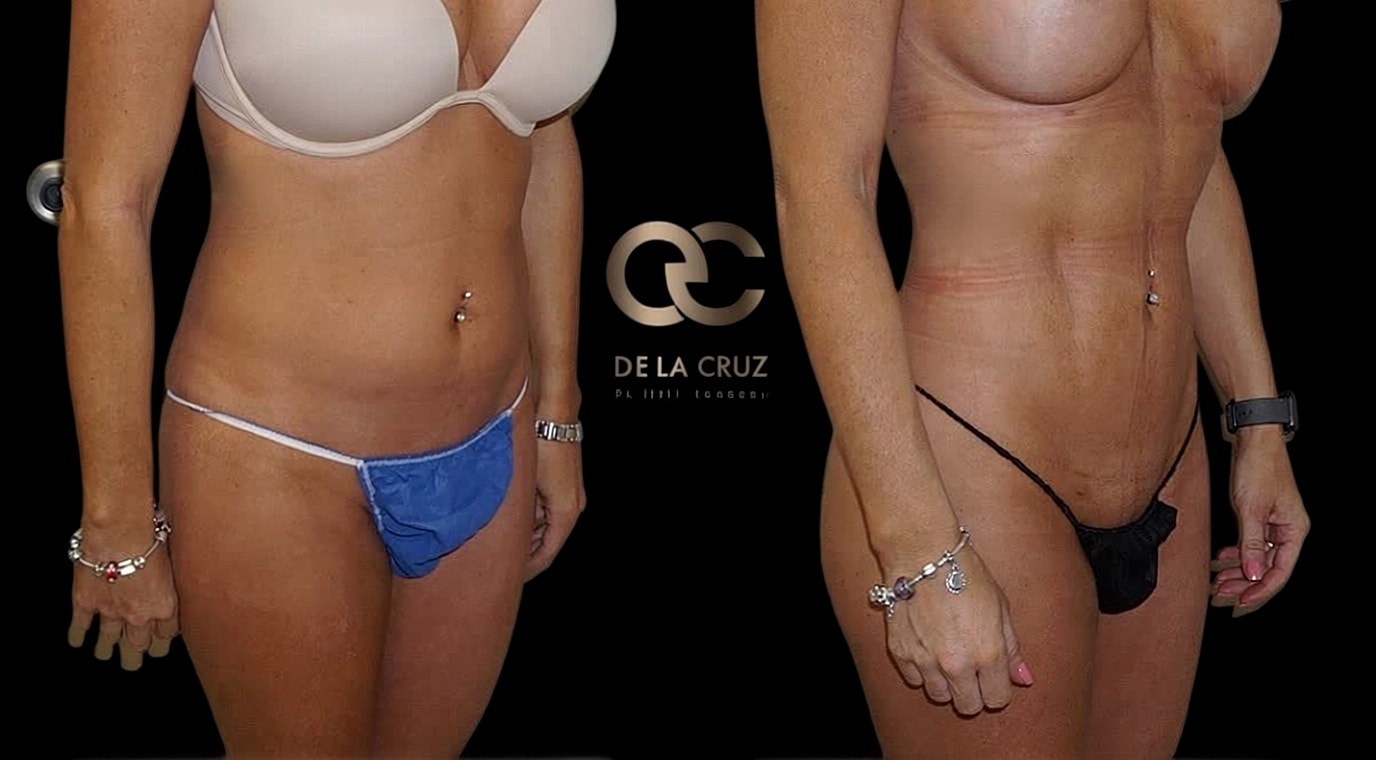
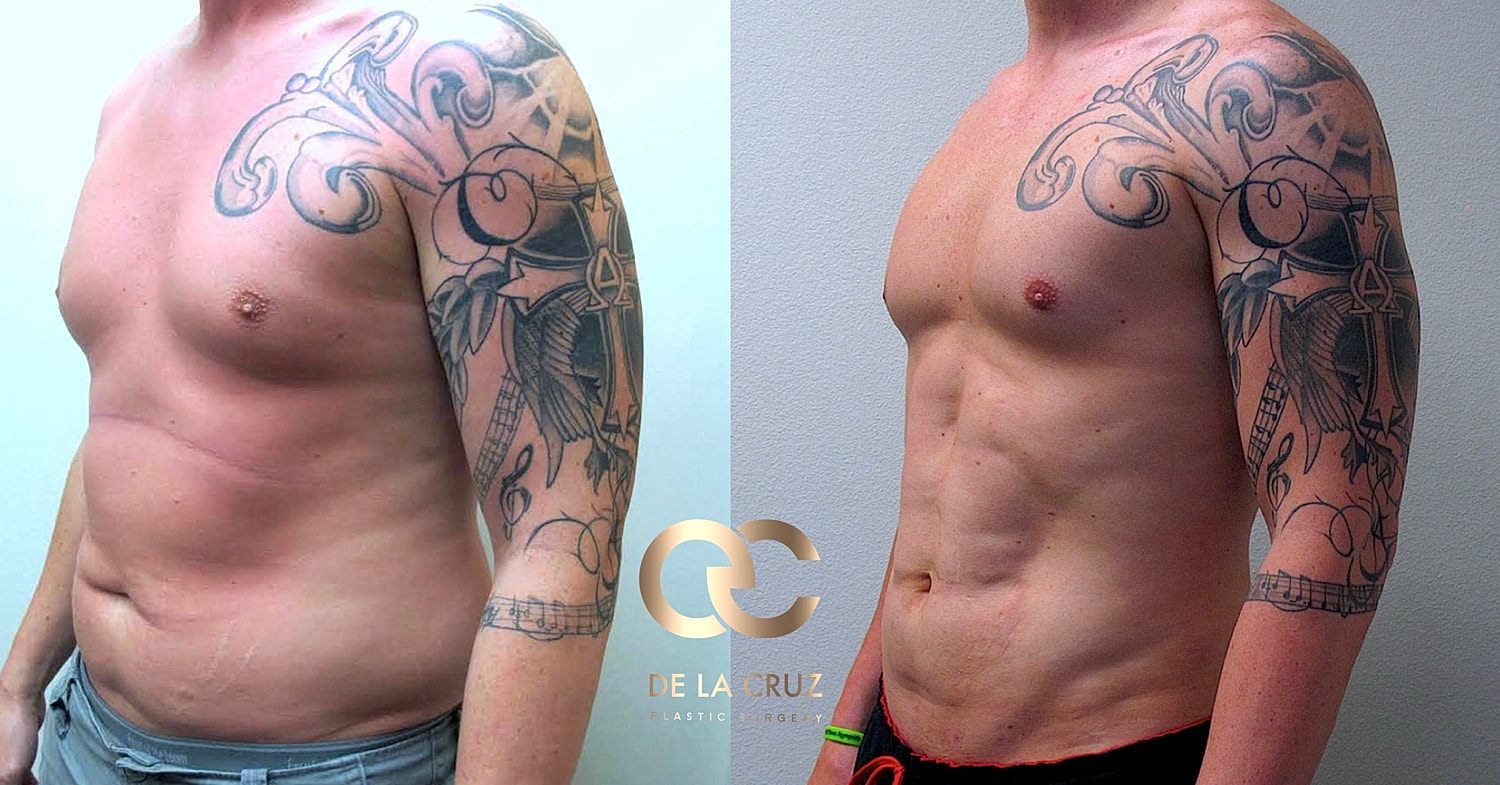
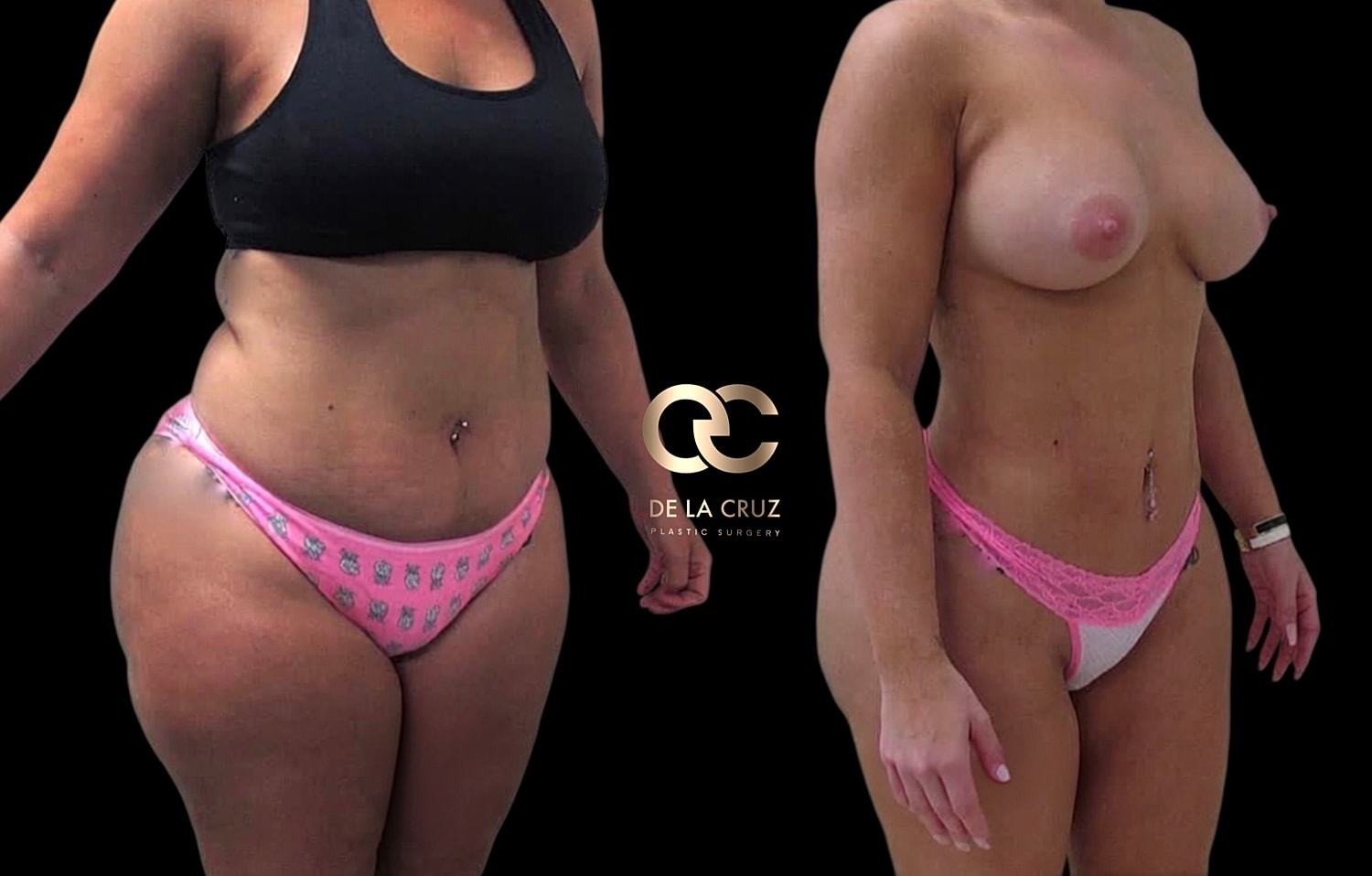
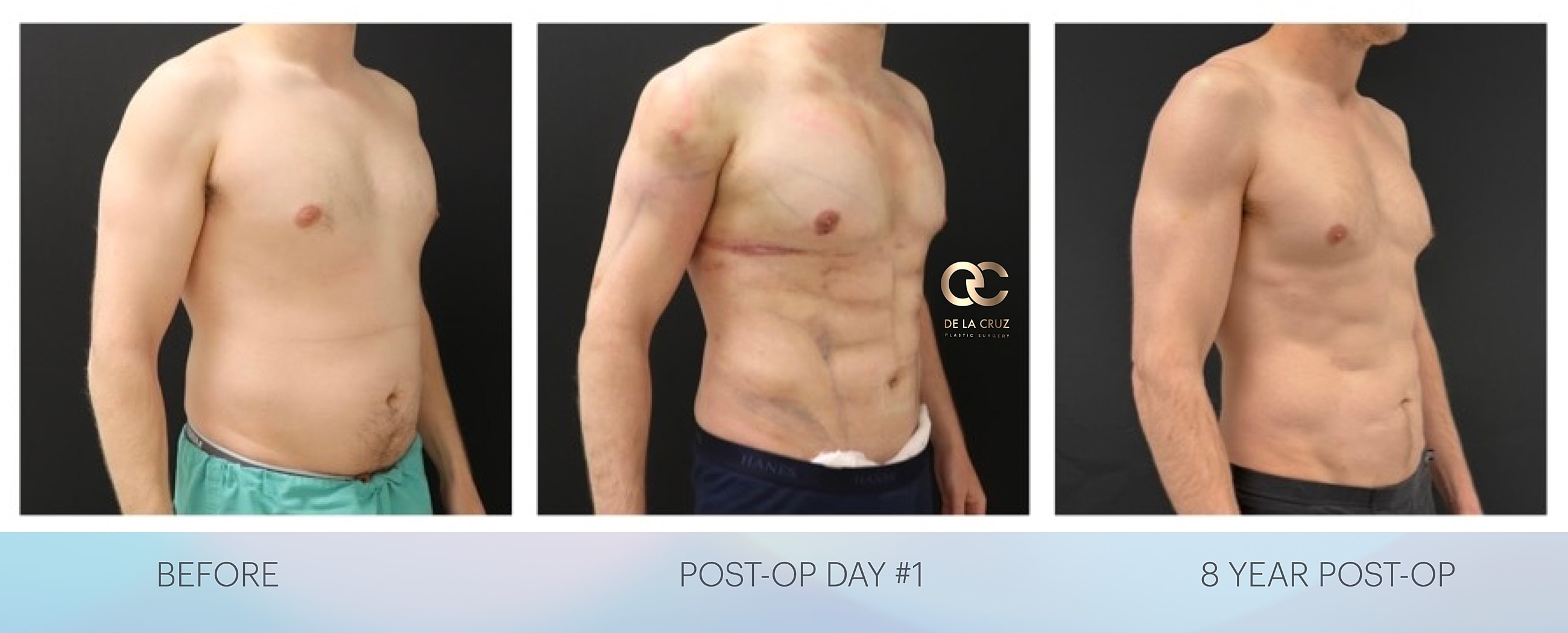
High-definition liposuction designed for natural, balanced results. Dr. Emmanuel De La Cruz combines advanced technology with surgical precision to deliver refined body contouring tailored to each patient.
Medically Reviewed by Dr. Emmanuel De La Cruz

What Is Liposuction?
Liposuction is a surgical procedure that removes stubborn, localized fat deposits to improve body contour, proportion, and definition. It is one of the most effective treatments for reshaping areas resistant to diet and exercise.
For patients considering liposuction in Houston, understanding how technique influences results is critical. At an advanced level, liposuction is not simply about removing fat—it is about how the body is sculpted after fat removal.
Modern techniques, including VASER Liposuction and high-definition body contouring, allow for greater precision, improved skin contraction, and more refined, natural-looking results.
At De La Cruz Plastic Surgery, liposuction is performed with a disciplined, anatomy-driven approach, focused on enhancing natural structure rather than creating an over-operated appearance.
Dr. Emmanuel De La Cruz is a double board-certified plastic surgeon specializing in advanced liposuction and high-definition body contouring, delivering consistent, proportional, and natural results.
For a comprehensive understanding of techniques, candidacy, and recovery, explore our Ultimate Guide to Liposuction, which provides a detailed overview from consultation through final results.
Removes localized fat deposits to refine body contour and enhance natural definition. In select cases, larger-volume liposuction may be performed to achieve more comprehensive contouring.
Our Houston liposuction is performed using established safety protocols, including DVT risk assessment and careful fluid management. Most patients do not require overnight stay. For large-volume liposuction, overnight monitoring may be recommended.
Utilizes advanced technologies including VASER ultrasound-assisted liposuction, power-assisted liposuction (MicroAire), and energy-based skin tightening to improve precision, reduce tissue trauma, and enhance contour.
Most patients return to light activities and work within 5–10 days. Compression garments are required during early recovery, with gradual return to full activity over 4–6 weeks.
Early contour improvement is visible within 8 weeks as swelling decreases. Final results continue to refine over 3–6 months as tissues remodel and soften.
1 of 16
Liposuction in Houston is a surgical procedure designed to remove localized fat deposits and reshape the body’s contours.
We perform liposuction using the De La Cruz Precision Body Sculpting Technique™, a structured approach designed to maximize precision and deliver refined, natural results
Unlike non-surgical fat reduction, liposuction:
Because of this, it remains the most effective treatment for patients seeking targeted body contouring.
It is important to understand that liposuction is not intended for weight loss. It is best suited for patients who are near their ideal weight but have areas of fat that are resistant to diet and exercise.

With liposuction Houston patients should know that each procedure is not the same.
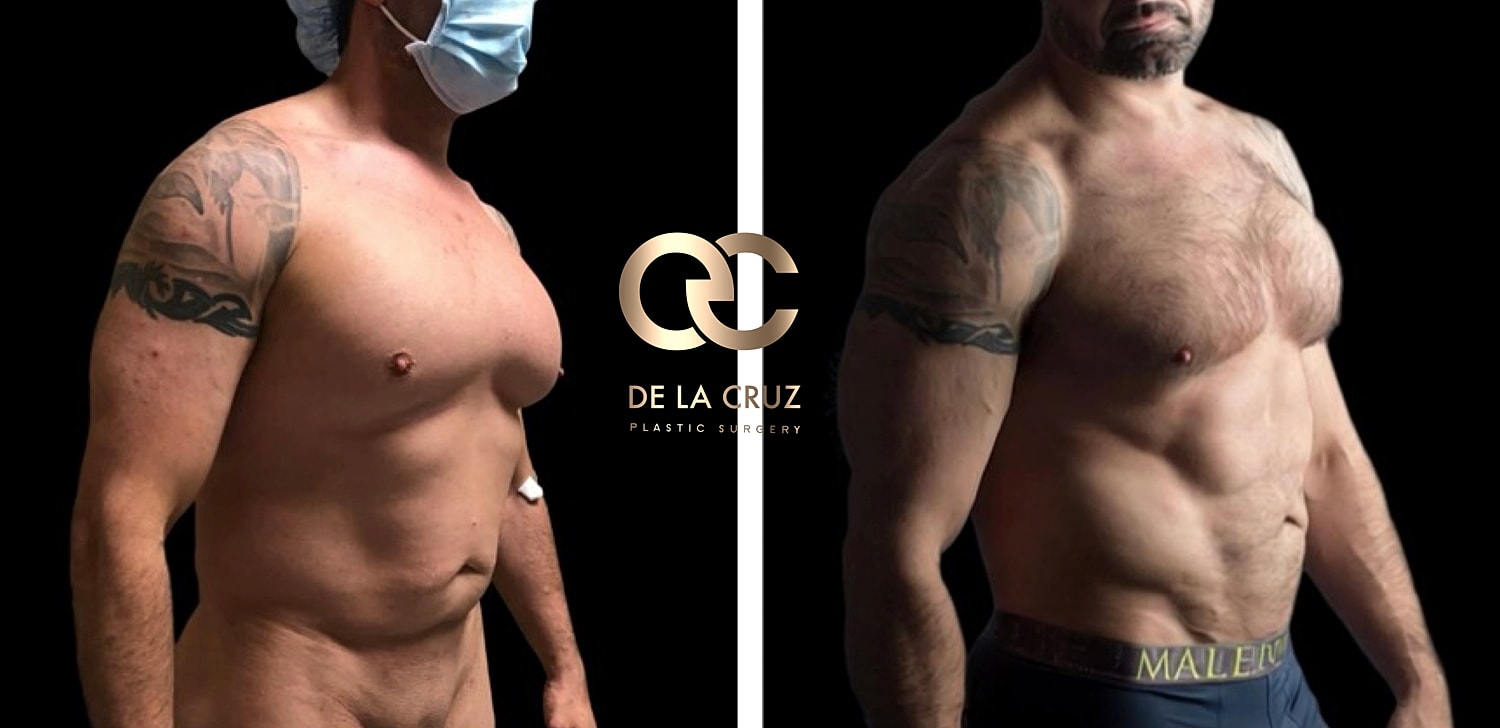
Traditional approaches focus primarily on fat removal. Dr. De La Cruz focuses on how fat is removed—and how the body is sculpted afterward through high-definition contouring.
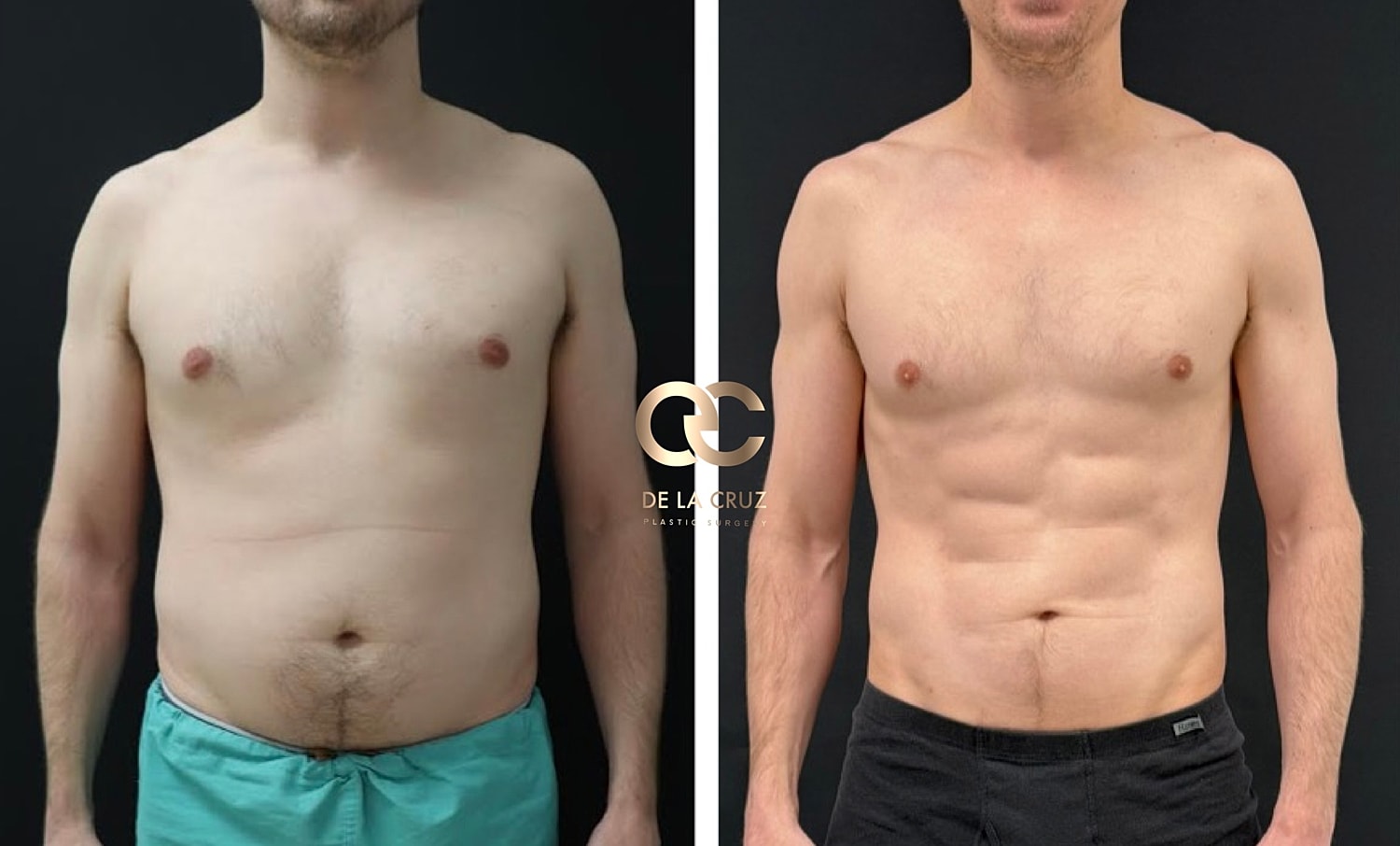
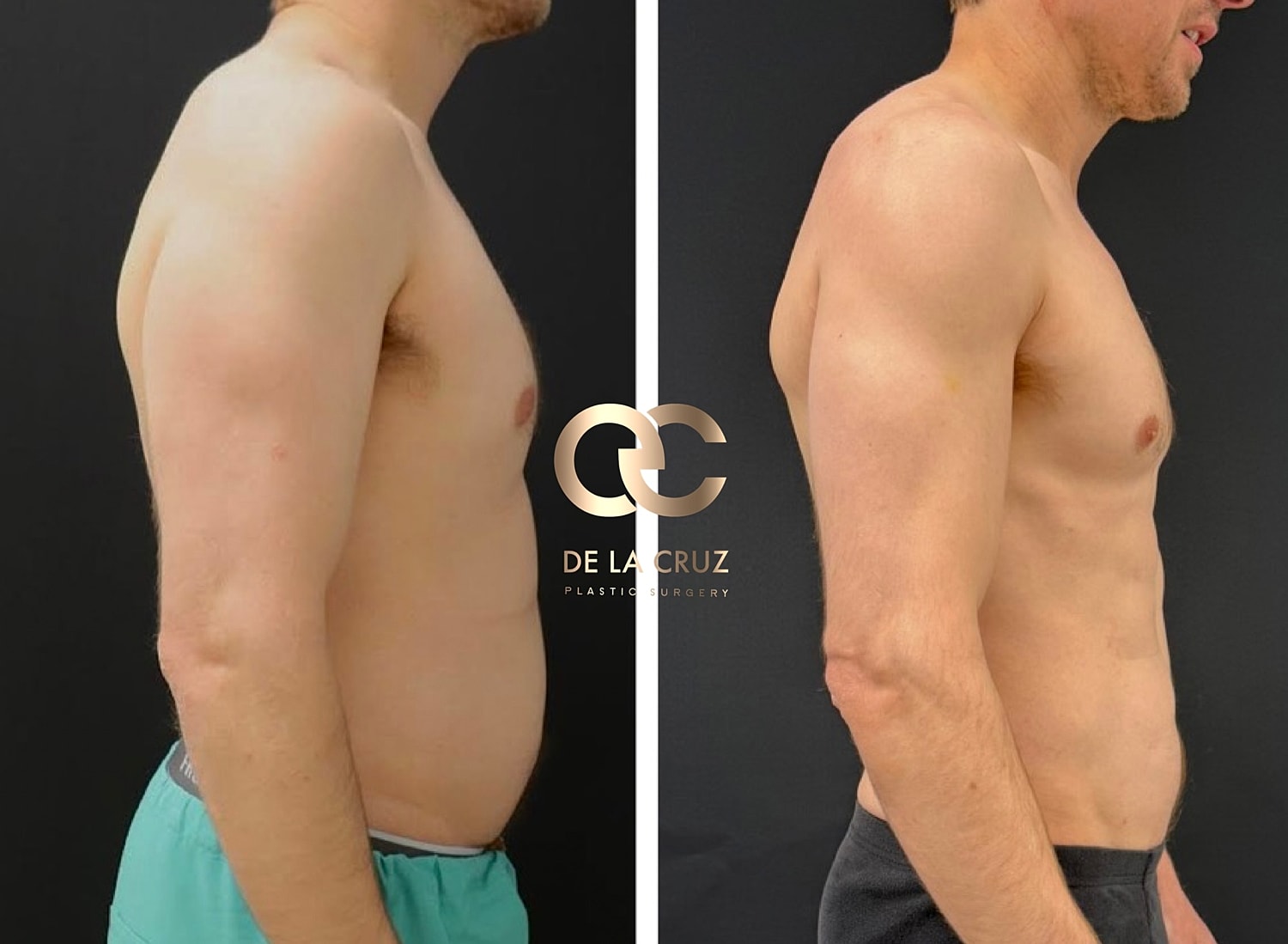
This advanced approach emphasizes precise shaping, smooth contour transitions, balanced proportions, and preservation of natural anatomy—often enhanced with targeted skin tightening for optimal definition.
The result is a physique that appears refined, athletic, and natural—never overdone.

VASER stands for Vibration Amplification of Sound Energy at Resonance. It is a 3rd-generation ultrasound-assisted liposuction device that delivers energy in pulsed waves through a specially designed probe. The Vaser instrument used during surgery liquefies the fat and allows the surgeon to target specific areas of the body.
The VASER device selectively delivers ultrasound energy to liquefy fat without damaging other tissues. Once the fat has been melted, it can be suctioned out of the body through very small 2.2 mm to 3.7 mm-sized cannulae without causing great trauma to the surrounding tissue structures. Thus, the incisions made are less than 5mm in size.

4D High-definition liposuction, also known as hi-definition liposuction, hi-definition liposculpture, or simply hi-def lipo, is a surgical procedure that uses suction to remove excess fat from target areas to create a slim, muscular, athletic appearance.
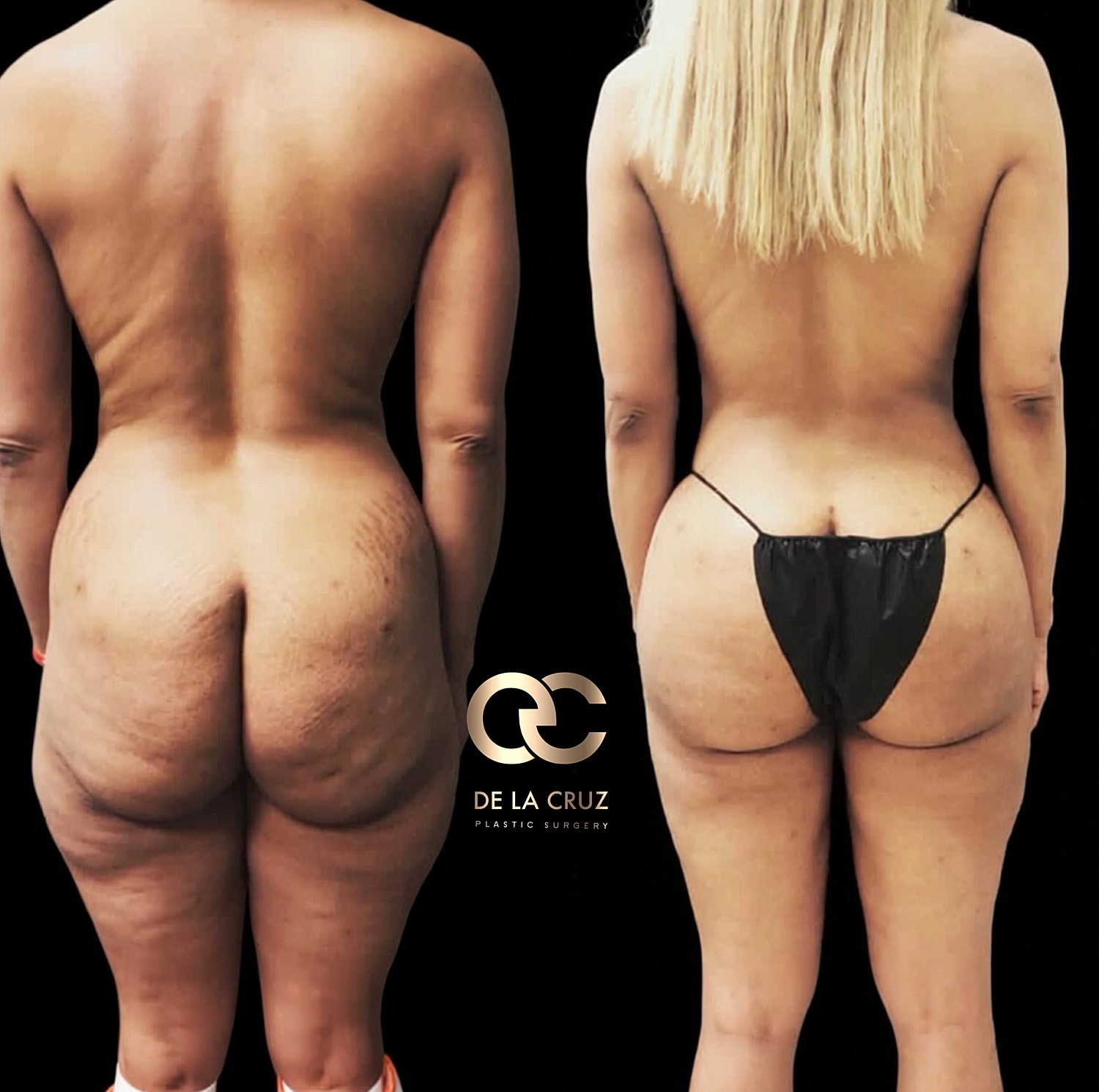
This procedure may involve transferring fat to different areas of the body, such as the chest muscles in men or the buttocks in women (Brazilian Butt Lift), to enhance one's features. Typically, the procedure may involve liposculpture of the arms, abdomen, flanks, back, and possibly thighs. This would be on an individual basis, as every patient is different.
Make sure your plastic surgeon is certified and trained to perform the 4D VASER High-Definition liposculpture.
Key reasons patients trust Dr. De La Cruz include:
Dr. De La Cruz learned the art of the 4D VASER High-Definition Body Sculpting with Dr. Alfredo Hoyos in Bogota, Colombia, in addition to 9 years of surgical training in Plastic Surgery, General Surgery, and Microsurgery in the United States.
Dr. De La Cruz has been invited to speak at prestigious conferences such as The MEETING 2020 by the American Society of Plastic Surgeons, the AestheticStanbul Meeting, and the TD ABS Plastic Surgery Meeting in Cartagena, Colombia. Additionally, his expertise has been recognized by reputable publications in the field, including "Clinics in Plastic Surgery," where he authored an article titled "Lipoplasty in the Overweight Patient." This publication highlights his use of advanced techniques and unwavering dedication to patient safety in plastic surgery.
Published Perspective on Liposuction Safety Dr. De La Cruz has authored academic work on liposuction safety and body contouring, including publications addressing thromboembolism prevention in large-volume liposuction and lipoplasty in overweight patients. This research perspective supports a clinical approach centered on surgical planning, safety, and long-term contour outcomes.

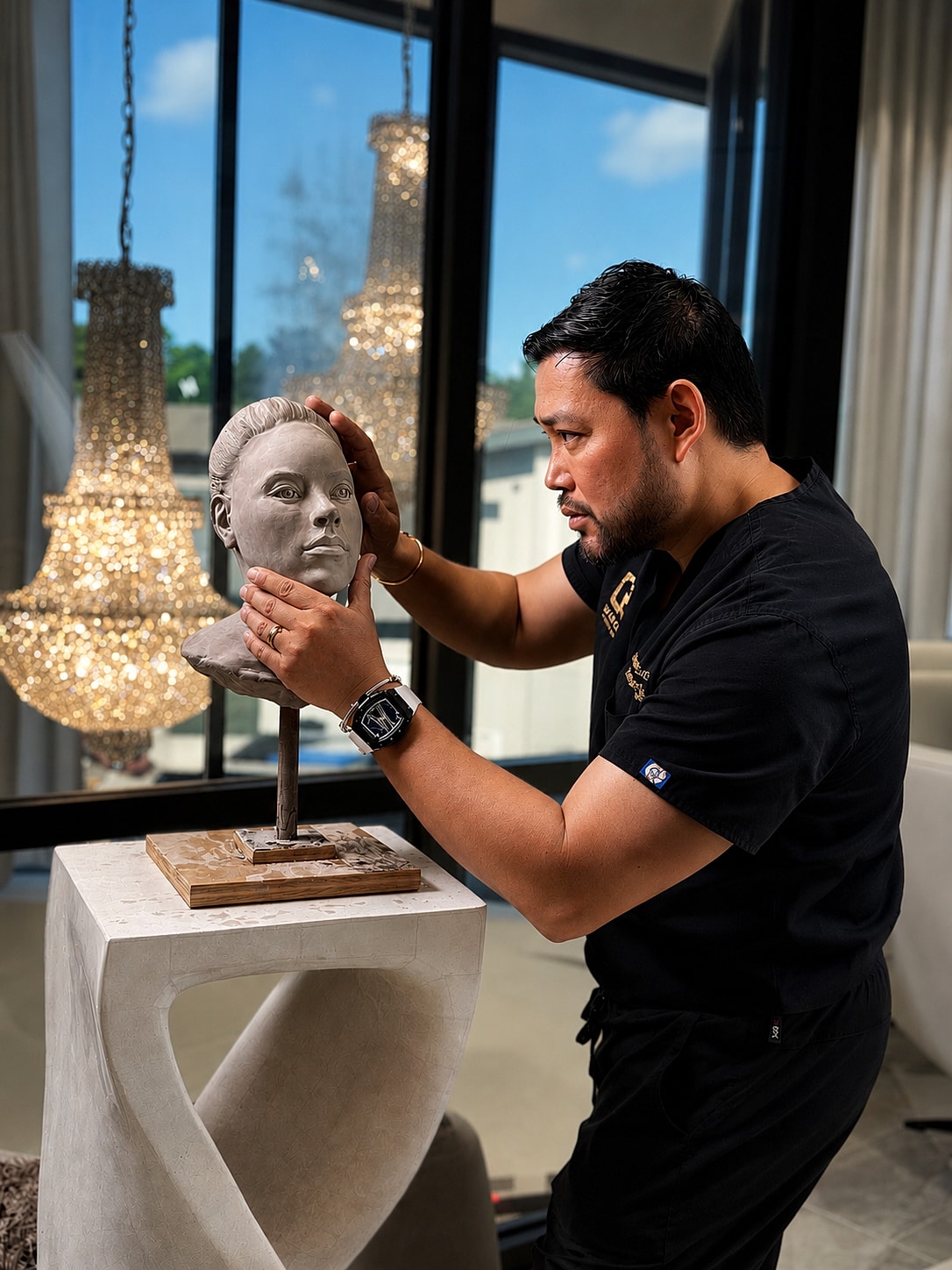
In addition to his surgical training, Dr. De La Cruz is a portrait sculptor and painter, with a deep understanding of:
This artistic foundation directly influences his surgical approach, particularly in facial procedures and contouring, where precision and aesthetics must work together to create natural, refined results.
Dr. De La Cruz’s artistic foundation was shaped through classical training with world-renowned French sculptor Philippe Faraut, informing his precision in sculpting natural, harmonious results.

Consistent, high-level results are not achieved through a single device—they are the result of a deliberate, layered surgical strategy that integrates advanced technology with precise execution at every stage.
1. Tumescent Infiltration A carefully calibrated solution is introduced to optimize the surgical field by reducing bleeding, facilitating fat extraction, and improving overall intraoperative safety.
2. VASER Ultrasound Emulsification Ultrasound energy selectively targets adipocytes, allowing for more efficient fat removal while minimizing trauma to surrounding structures such as nerves, vessels, and connective tissue.
3. Power-Assisted Liposuction (PAL) Mechanical-assisted extraction enhances precision, promotes uniform fat removal, and allows for greater surgeon control—particularly in high-definition contouring.
4. Layered Fat Extraction Fat is removed in controlled, anatomical planes to preserve structural integrity, avoid contour deformities, and create smooth, natural transitions between treated and untreated areas.
5. Targeted Skin Tightening & Fibroseptal Network Remodeling Energy-based technologies such as Renuvion (J-Plasma) and Quantum RF are used to contract soft tissue and remodel the fibroseptal network—the connective framework responsible for skin support. This step is critical for:
This multi-layered, methodical approach to liposuction allows for consistent, reproducible, and high-level outcomes—delivering not just fat reduction, but refined, sculpted, and structurally supported results.

High-definition liposuction in Houston is fundamentally different from traditional fat removal techniques. Rather than simply reducing volume, it is designed to sculpt the body with precision—enhancing natural anatomical contours to create a more athletic, defined appearance.
It Is Based on Anatomy, Not Just Fat Removal
Traditional liposuction focuses on subtracting fat. High-definition liposuction focuses on strategic fat removal and preservation to highlight underlying muscle groups. By respecting natural anatomical landmarks—such as the linea alba, semilunar lines, and muscular transitions—the result is a body that appears naturally sculpted rather than artificially thinned.
Precision Technology Enhances Control
Advanced technologies such as VASER ultrasound-assisted liposuction allow for selective fat emulsification, meaning fat is removed more precisely while minimizing trauma to surrounding tissues. This enables smoother contouring, finer detailing, and improved skin retraction.
Creation of Light and Shadow
What distinguishes high-definition liposuction is the deliberate creation of light and shadow transitions across the body. Subtle depressions and highlights are sculpted to mimic natural muscle definition—similar to how a sculptor refines form. This produces a three-dimensional result that looks dynamic and refined in motion, not flat.
Smoother, More Natural Contours
Because the approach emphasizes controlled, layered fat removal, it reduces the risk of irregularities such as lumps, grooves, or over-resection. The transitions between treated and untreated areas are gradual, resulting in a more harmonious and natural appearance.
Skin Retraction and Tissue Tightening
When combined with energy-based technologies (such as radiofrequency or helium plasma), high-definition liposuction can enhance skin contraction, improving overall contour and reducing laxity. This is especially important in achieving a tight, athletic finish.
Long-Term Aesthetic Superiority
The results are not only more defined—but more durable. By preserving structural fat where needed and avoiding aggressive, indiscriminate removal, high-definition liposuction maintains balance and proportion over time, aging more naturally with the patient.
In essence, high-definition liposuction transforms liposuction from a fat-removal procedure into a true body-contouring operation—where surgical precision, anatomical understanding, and artistic vision converge to produce superior results.
Liposuction is most effective when performed with a global contouring strategy.
Commonly treated areas include:
Treating multiple regions in a coordinated manner allows for balanced, proportional results.
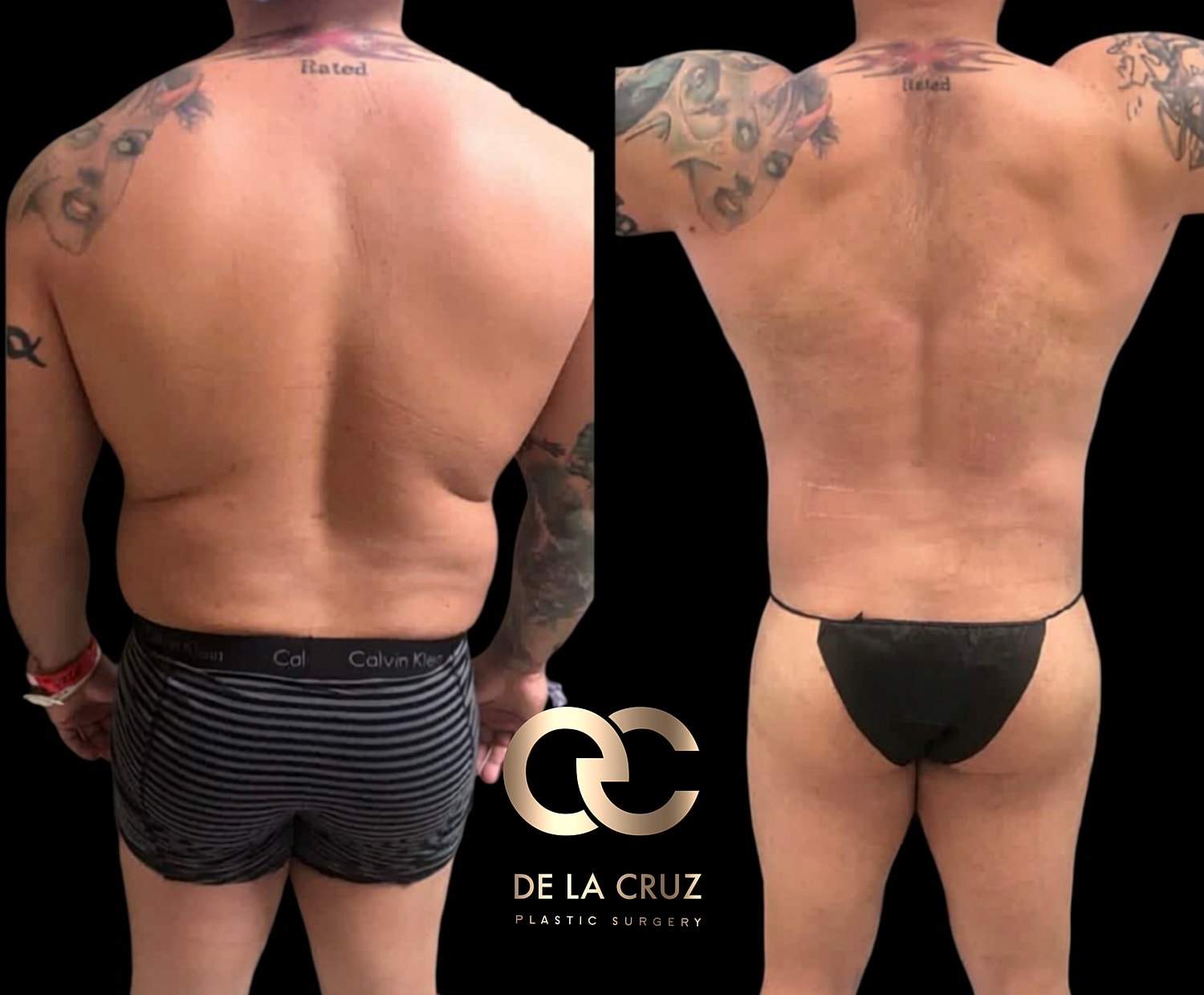
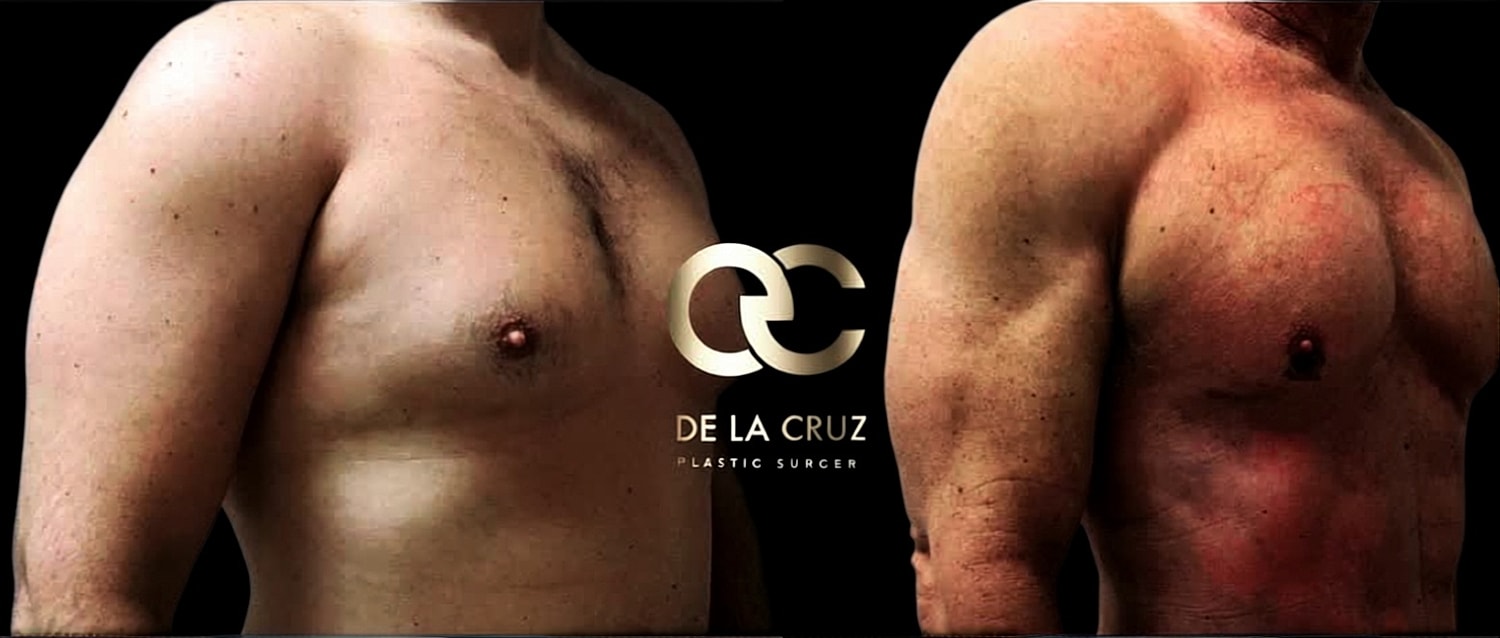
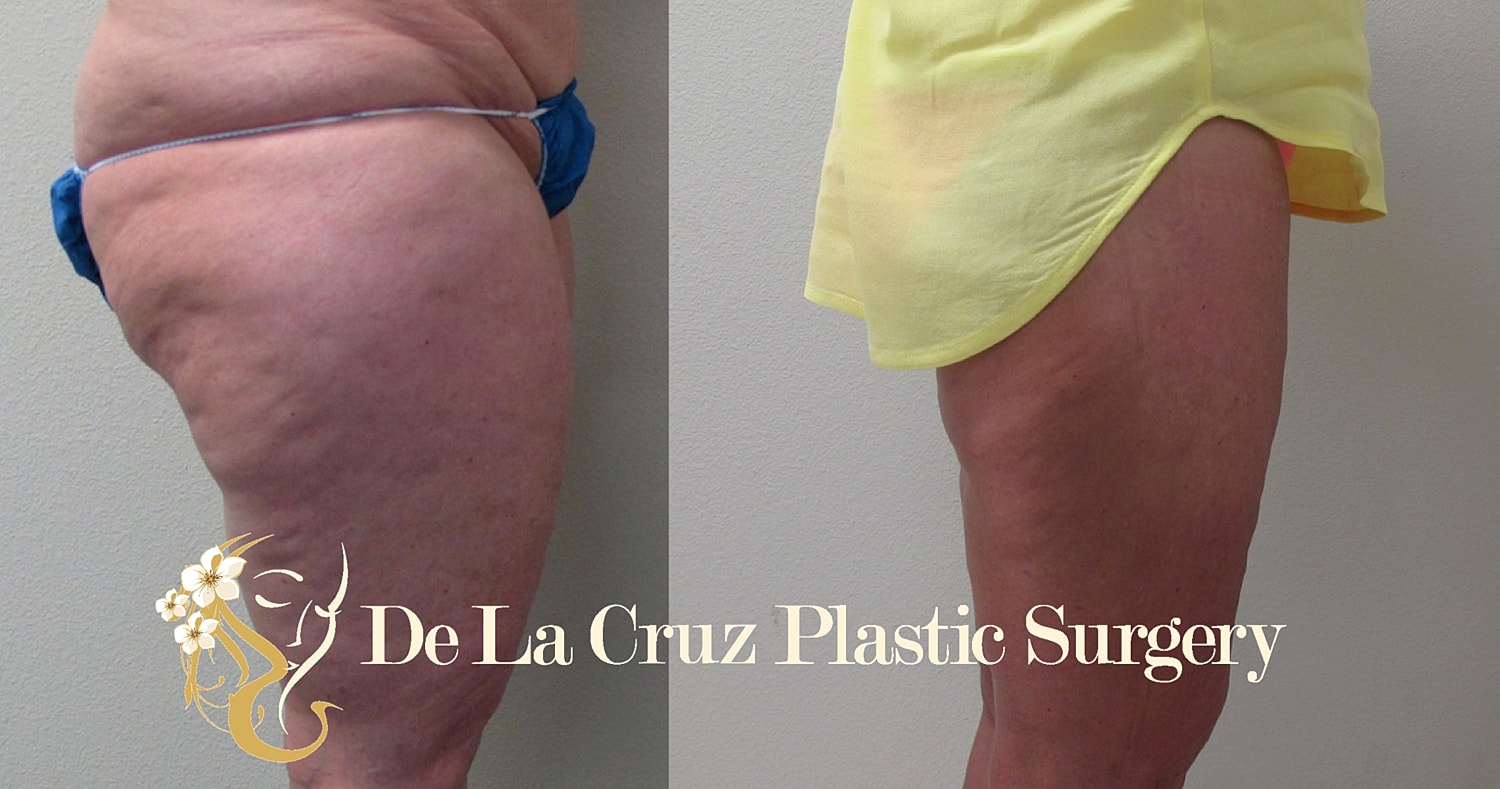
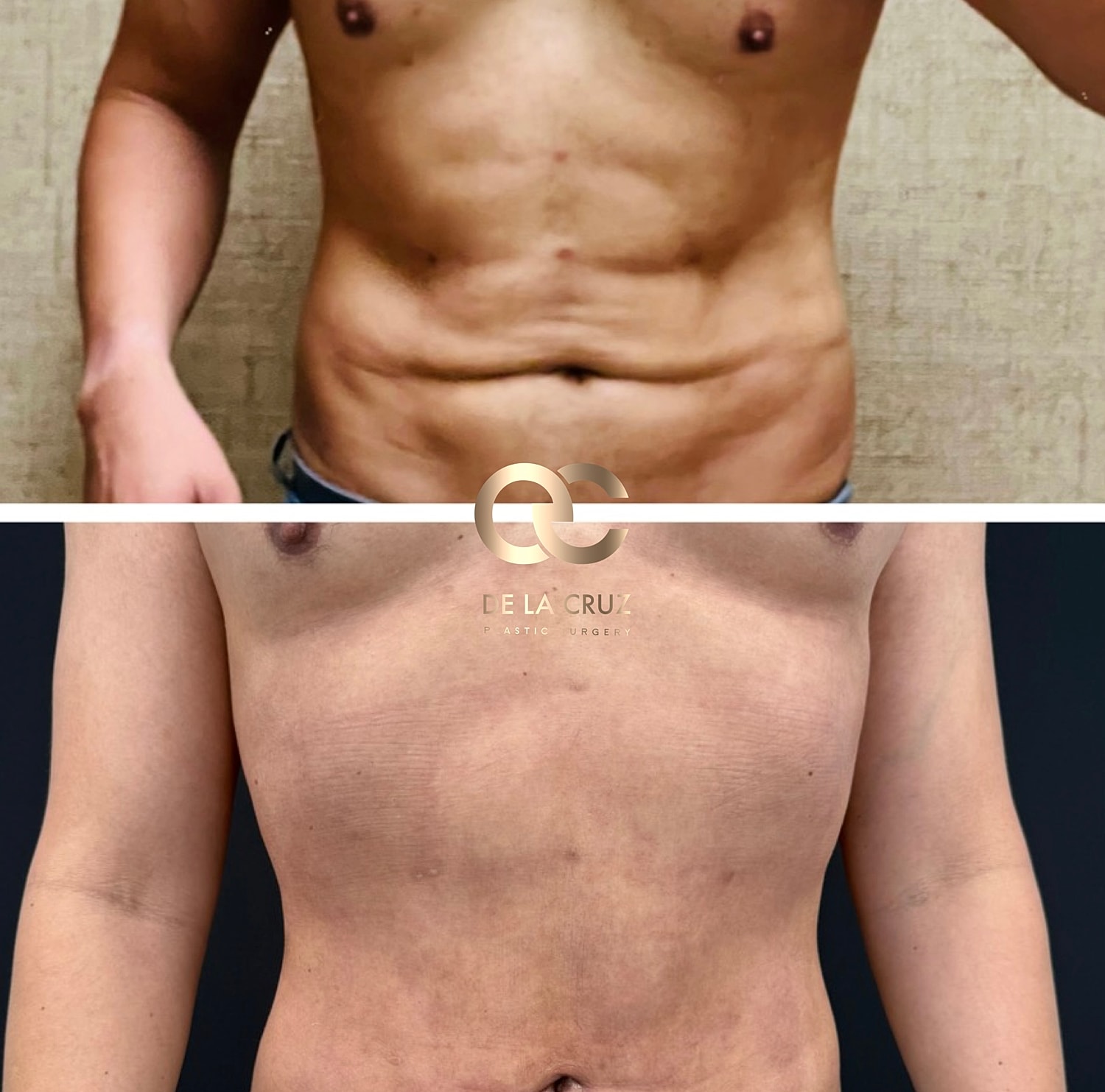
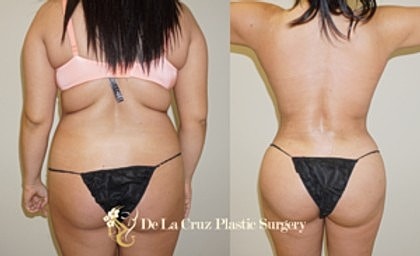
To better understand expected outcomes, patients are encouraged to review liposuction results and before and after liposuction examples that demonstrate real contour improvements and natural-looking results.
Dr. Emmanuel De La Cruz employs a strategic, multi-modality approach to high-definition liposuction in Houston, integrating advanced technologies to enhance precision, optimize fat removal, and support soft tissue contraction. Each component is selected deliberately to minimize tissue trauma and achieve refined, natural, and anatomically balanced results.
VASER liposuction utilizes ultrasonic energy to selectively emulsify fat while preserving surrounding tissues, including nerves and lymphatics.
This technique is particularly effective for:
By liquefying the fat before extraction, VASER allows for a gentler and more controlled removal process, reducing the risk of contour irregularities.

MicroAire PAL utilizes a vibrating cannula to mechanically dislodge fat, making it easier to extract—especially in areas of fibrosis or previously treated zones.
This dual-approach (VASER + PAL) is particularly advantageous in treating lipedema, secondary liposuction cases, or large-volume body contouring.

To address skin laxity following large-volume fat removal, Dr. De La Cruz incorporates advanced radiofrequency-assisted skin tightening technologies:
Renuvion® combines helium gas and radiofrequency energy to create a cold plasma stream that precisely heats subdermal tissues, triggering immediate collagen contraction and long-term remodeling.
Quantum RF with Morpheus8® uses deep fractional RF microneedling to stimulate collagen and elastin production at multiple skin depths, leading to significant skin contraction and improved tone.
Both modalities:
When healing after liposuction Houston patients will find that it occurs in phases and requires patience.
Early Phase (0–2 Weeks)
Intermediate Phase (3–6 Weeks)
Late Phase (3–6+ Months)
Because recovery is often misunderstood, we recommend reviewing our detailed liposuction recovery timeline, which outlines what patients can expect week by week. Patients should also understand the normal progression of swelling, which is discussed in detail in our guide on liposuction swelling stages.
These resources help set realistic expectations and improve the overall recovery experience.

Swelling is the most common and often misunderstood part of liposuction recovery.
It can temporarily obscure results and may fluctuate throughout the day. In some cases, patients may also notice firmness or small nodular areas beneath the skin. These changes are typically part of normal healing and improve over time.
Patients concerned about these findings can learn more in our resource on lumps and fibrosis after liposuction, which explains why these changes occur and how they resolve. In certain cases, fluid collections may develop, and our guide on seroma after liposuction provides additional information on management.
Final results depend not only on fat removal, but on how well the skin contracts and re-drapes.
Key factors include age, collagen quality, the extent of fat removal, and the integrity of the fibroseptal network.
When laxity is present, adjunctive skin tightening—such as Renuvion or Quantum RF—can improve contraction, smooth contours, and reduce cellulite and stretch marks. These options are discussed in detail in our skin tightening after liposuction resource.

Liposuction is a safe procedure when performed with appropriate protocols and patient selection.
At De La Cruz Plastic Surgery, safety measures include:
These protocols are designed to minimize complications and ensure safe recovery.
Dr. De La Cruz values patient safety during your surgery. For large volume high-definition liposuction, there are certain criteria that should be met before your plastic surgery.
Rigorous Medical Clearance: For patients who have co-morbidities, such as Diabetes, obstructive sleep apnea, a medical and cardiac clearance is required prior to surgery. For patients whose age is >45, a cardiac clearance from a cardiologist is required by Dr. De La Cruz prior to your surgery. Safety is the top priority in our practice.
Prevention of Infection: During your surgery, peri-operative intravenous antibiotics are given to prevent a wound infection. Fat that is harvested for fat transfer (if included in your procedure) will be washed with antibiotic irrigation to further reduce your risk of infection.
DVT Prophylaxis: Dr. De La Cruz calculates your Caprini Score to evaluate your risk for Deep Venous Thrombosis. All patients would have an intermittent sequential compression device during surgery to prevent a DVT. Moreover, an anti-coagulant, such as Heparin or Lovenox, is given to further reduce your risk for a Deep Venous Thrombosis.
Advanced VASER Technology: The use of the VASER liposuction system is associated with less bleeding when it comes to high-definition liposuction. A randomized clinical trial has shown that the VASER liposuction is associated with less bleeding during surgery when compared with traditional tumescent liposuction. This is key when it comes to high-definition liposuction. It is essential to minimize your risk of bleeding when it comes to undergoing this procedure.

Dr. De La Cruz specializes in large-volume liposuction and has published on this topic in Clinics in Plastic Surgery, including his work on lipoplasty in the overweight patient. His approach is grounded in strict safety protocols, allowing for volumes exceeding 5 liters in carefully selected patients.
Importantly, safe fat removal is not defined by a fixed limit—it is determined by patient physiology, surgical strategy, and meticulous intraoperative management.
For patients considering larger-volume procedures, it is essential to understand these principles. Our guide on how much fat can be removed with liposuction explains the safety considerations and how optimal outcomes are achieved without compromising patient safety.
Our detailed guide on how much fat can be removed with liposuction explains these considerations and outlines what can be performed safely.
Non-surgical treatments can provide modest fat reduction, but they lack the precision and consistency of liposuction.
Our Houston liposuction procedure provides:
For patients comparing options, our in-depth discussion on liposuction vs CoolSculpting explains the differences in outcomes, predictability, and effectiveness.
How long does it take to see results after liposuction? Most patients see noticeable improvement within 4–8 weeks, with final results developing over 3–6 months as swelling resolves and tissues settle.
Liposuction results develop gradually as swelling improves and tissues settle.
While early changes are visible within weeks, the most refined results take time as the body heals and adapts.
Light walking is encouraged immediately after surgery to promote circulation and support recovery.
Most patients can:
Recovery timelines may vary depending on the extent of liposuction and individual healing. Patients are guided through a structured recovery plan to ensure a safe and gradual return to exercise.
For a more detailed timeline, see our guide on exercise after liposuction.

Ideal candidates:
Liposuction is most effective for patients seeking refinement and contour improvement rather than weight reduction.
How much does liposuction cost in Houston? The cost of liposuction in Houston typically ranges depending on the areas treated, complexity of the procedure, and whether multiple regions are addressed. A personalized quote is provided after consultation.
The cost of liposuction varies depending on the areas treated, the extent of fat removal, and the complexity of the procedure. Factors such as combining multiple areas (Lipo360), the need for advanced contouring, and the use of adjunct technologies can influence overall pricing.
During your consultation, a personalized treatment plan will be developed, and detailed pricing will be provided based on your specific goals.
For a more detailed breakdown, visit our guide on liposuction cost in Houston.
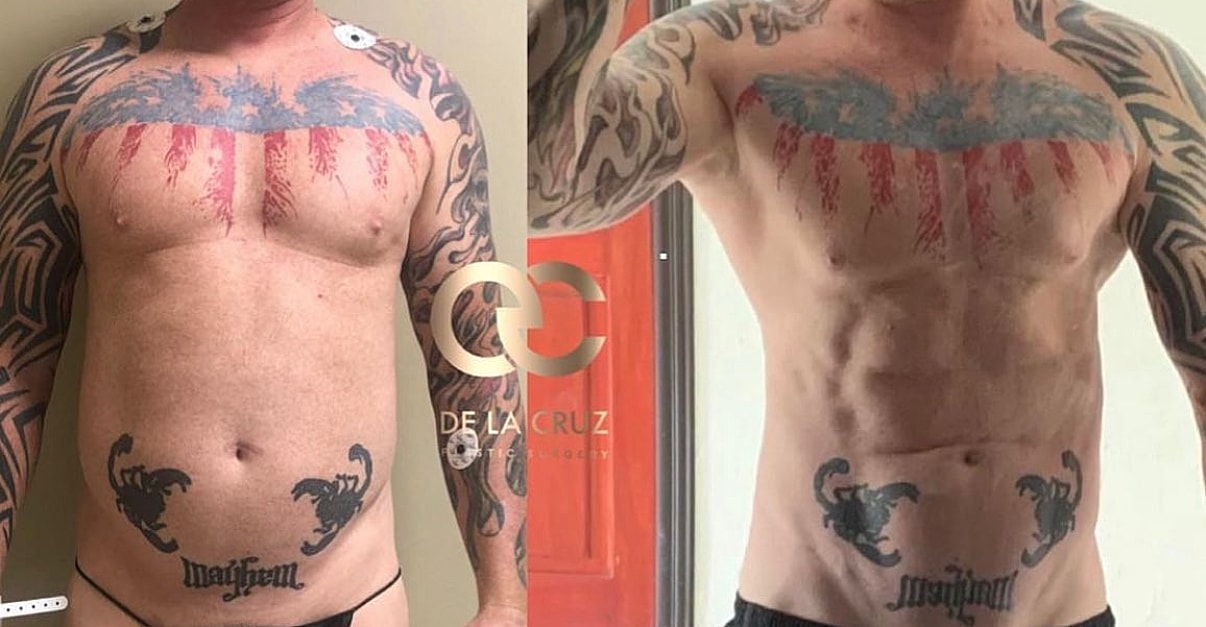
Recent randomized clinical trials showed that the VASER liposuction is superior to traditional liposuction methods. With the VASER liposuction, there is LESS BLEEDING and MORE SKIN RETRACTION compared to traditional liposuction methods. [1]
There are also fewer contour irregularities with the VASER liposuction in the hands of an experienced plastic surgeon. Dr. De La Cruz refined and honed his lipoplasty techniques, especially the 4D VASER liposuction, under the tutelage of Dr. Alfredo Hoyos, the pioneer of the 4D VASER High-Definition liposculpture.
[1] Nagy, et al. A multicenter, prospective, randomized, single-blind, controlled clinical trial comparing VASER-assisted Lipoplasty and suction-assisted Lipoplasty. Plastic Reconstructive Surgery 2012 Apr;129(4):681e-9e
By combining these technologies—VASER, MicroAire, and Renuvion or Quantum RF—Dr. De La Cruz offers patients:
This integrative approach is especially beneficial for patients undergoing large-volume liposuction, lipedema surgery, or post-weight-loss body contouring.
After liposuction Houston patients can return to work and other regular activities as soon as they feel comfortable, typically within a few days. Exercise and other strenuous activities should be avoided for a few weeks. It is common to experience mild swelling, bruising, and discomfort in the treated area, which can be reduced with pain medication and compression garments.
The results of the liposuction procedure are often visible immediately, but will continue to improve as swelling and bruising subside. Typically, results are seen 8 weeks after surgery. Swelling will continue to decrease, and skin will continue to retract up to 6 months after surgery. Scars usually heal well and will fade with time to become less and less noticeable.
The results of liposuction can be permanent, provided patients maintain a healthy, active lifestyle. If substantial weight is gained after this procedure, results may be altered.
Large volume liposuction is when the liposuction aspirate exceeds 5 Liters. Certain states, such as New York and Florida, are limited to 4-5 Liters of fat that can be aspirated. The maximum amount of fat that can be harvested or aspirated depends on the amount of tumescent fluid and lidocaine in the tumescent fluid infused. One cannot exceed 35 mg/kg of lidocaine in the tumescent fluid. Some studies have shown that the safety level of lidocaine in the tumescent fluid that can be infused can be up to 50 mg/kg. Dr. De La Cruz does not exceed 35 mg/kg to avoid any adverse outcome from lidocaine toxicity.
Dr. De La Cruz requires a cardiology clearance from a Board-certified cardiologist for all patients undergoing large-volume liposuction. Safety is our number one priority.
Large volume high-definition liposuction is performed either in a hospital or an accredited ambulatory surgery center. Patients will be subsequently admitted overnight for observation and for fluid maintenance. Dr. De La Cruz will oversee your care while you are in a QUADA and in a state-certified ambulatory surgical facility after surgery.
Liposuction is considered a safe procedure, with minimal downtime and a low incidence of mild side effects. However, as with any treatment, there is a risk of complications, including infection, scarring, allergic reactions, hematoma, or unsatisfactory results. Liposuction is among the most commonly performed cosmetic procedures and is almost always associated with no serious complications.
Patients can reduce these risks by selecting an experienced physician, such as a plastic surgeon, to perform the procedure and by following their physician’s instructions before and after treatment.
Initial improvement is visible within the first few weeks, but final results take time. Swelling can persist for several months, and the most refined contour typically develops between 3 to 6 months as the tissues soften and remodel. For a detailed breakdown, patients can review the liposuction recovery timeline and swelling stages guides.
Most patients describe liposuction recovery as soreness and tightness rather than sharp pain. Discomfort is typically most noticeable in the first few days and improves progressively. With proper pain management and early ambulation, most patients are able to return to light activity relatively quickly.
Light activity and walking are encouraged within the first few days. Most patients return to work within 5 to 10 days, depending on the extent of the procedure. Strenuous exercise is generally resumed around 4 to 6 weeks, once swelling and tissue healing have improved.
Swelling is expected and can last for several weeks to months. Early swelling improves within the first few weeks, but residual swelling may persist for up to 3 to 6 months, particularly in areas such as the abdomen and lower back.
This is usually due to postoperative swelling and fluid retention, not an increase in fat. Swelling can temporarily obscure results and even make the treated area appear larger before it improves. This is a normal part of the healing process.
Firmness or nodules after liposuction are typically due to inflammation and fibrosis during healing. These changes are common and usually improve with time, compression, and in some cases lymphatic massage. They are not usually permanent.
The amount of fat that can be safely removed depends on several factors, including patient health, body composition, and operative time. In general, safety is prioritized over volume, and larger procedures may be staged when necessary.
Yes, the fat cells removed during liposuction are permanently eliminated. However, remaining fat cells can still enlarge with weight gain. Maintaining a stable weight is essential for long-term results.

Liposuction removes fat but does not directly tighten skin. Skin retraction depends on factors such as age, collagen quality, and elasticity. In patients with skin laxity, additional treatments such as radiofrequency tightening may be recommended.
Liposuction provides immediate and precise fat removal, while non-surgical treatments like CoolSculpting offer gradual and more limited fat reduction. Liposuction is generally more effective for patients seeking significant contouring.
Yes. Liposuction is specifically designed to target localized fat deposits that are resistant to diet and exercise, making it one of the most effective solutions for body contouring.
Liposuction is safe when performed by a qualified, board-certified plastic surgeon using proper protocols. Safety measures such as DVT prevention, fluid management, and postoperative monitoring are critical in minimizing risks.
Selected References:
De La Cruz E. Lipoplasty in the Overweight Patient. Clinics in Plastic Surgery. 2024 Jan;51(1):29–43.
Hoyos AE et al. High-Definition Liposculpture 18-Year Evolution: Patient Safety and Aesthetic Outcomes. Plast Reconstr Surg. 2023.
De La Cruz E, Delacruz Brad. Reducing Risks in Large Volume Liposuction. J Hematol Thrombo Dis. 2024.
About the Medical Reviewer
Dr. Emmanuel De La Cruz is a double board-certified plastic surgeon specializing in advanced body contouring and high-definition liposuction. His approach combines surgical precision with artistic training in classical sculpture to achieve refined, natural results.