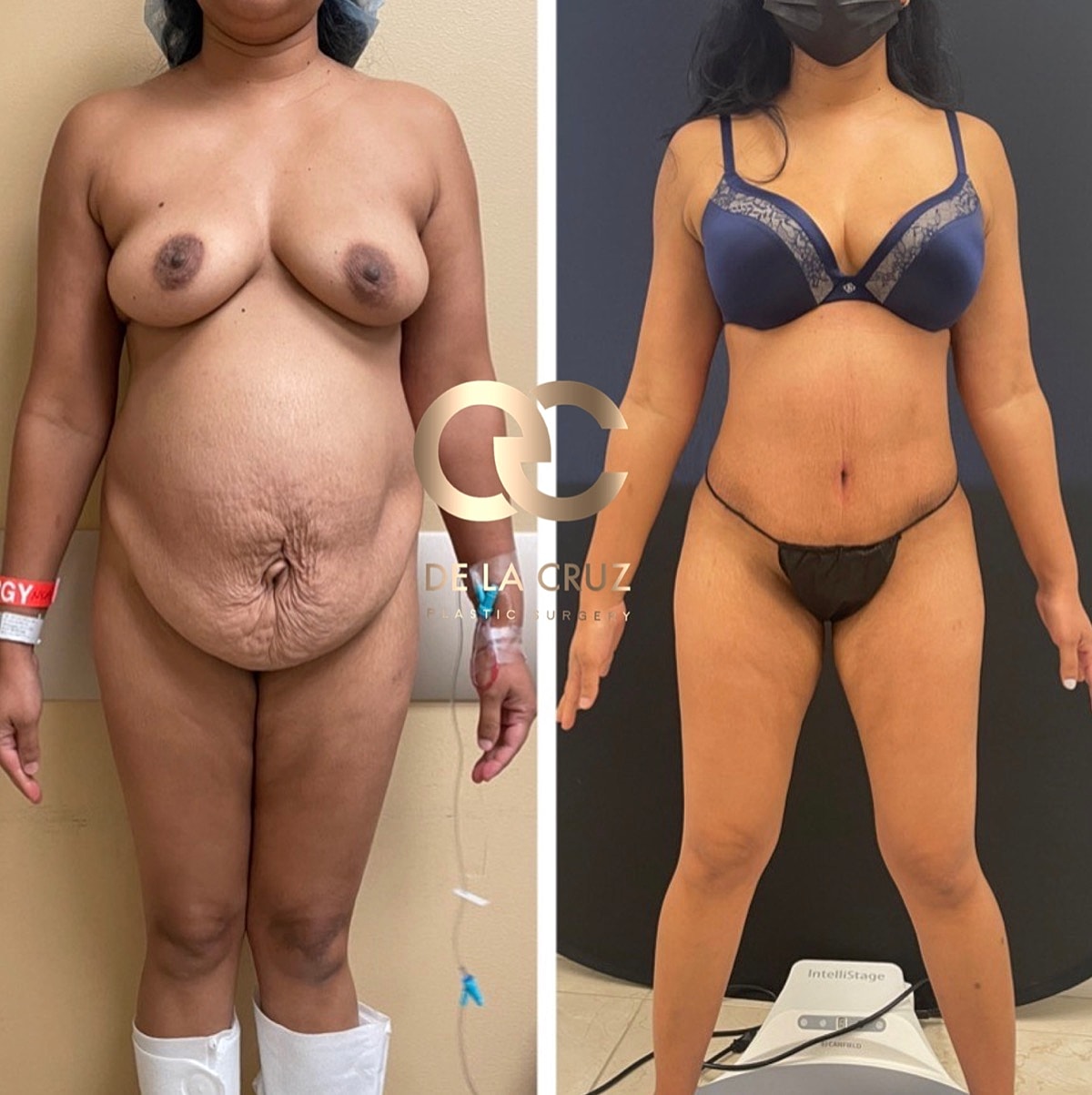
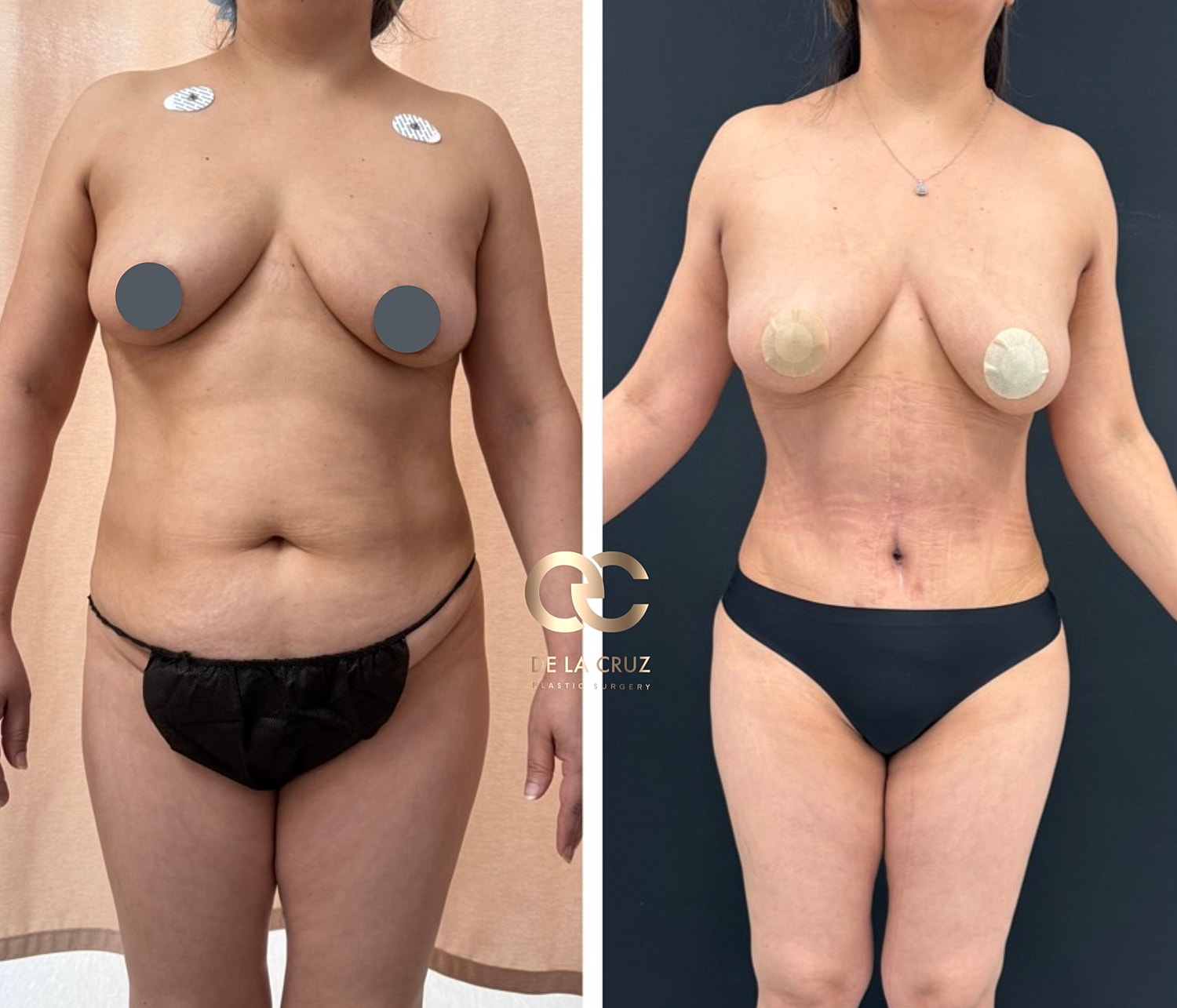
Mini Tummy Tuck
In Houston, TX


A small area of loose skin below the belly button can be surprisingly difficult to improve with diet, exercise, or weight loss alone. Even patients who are close to their ideal weight may continue to notice a persistent lower-abdominal pouch, skin laxity, or tissue gathered above a C-section scar.
A mini tummy tuck, also known as a mini abdominoplasty, is a focused body-contouring procedure that removes limited excess skin from the lower abdomen through a shorter, low-positioned incision.
1 of 21

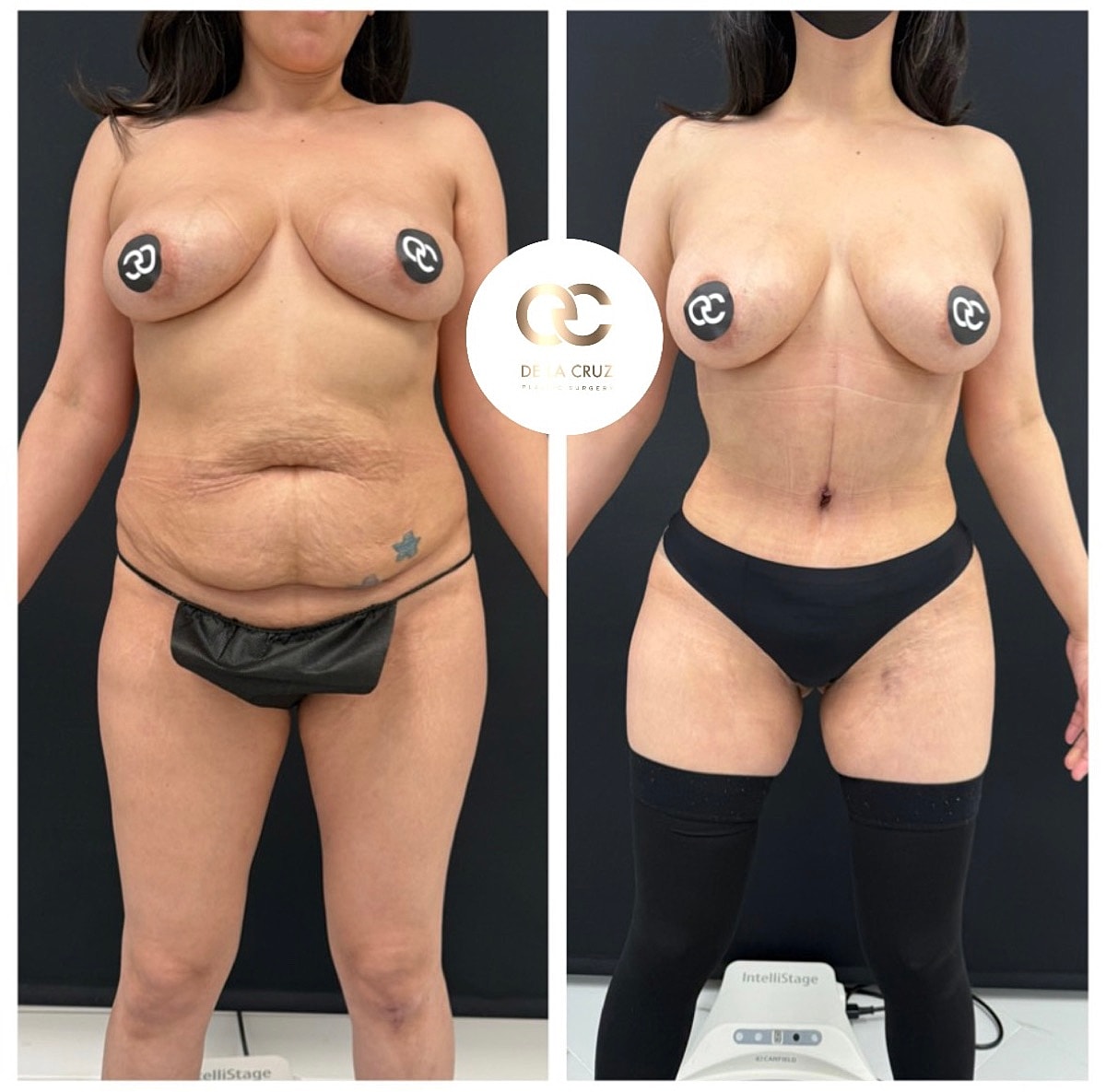
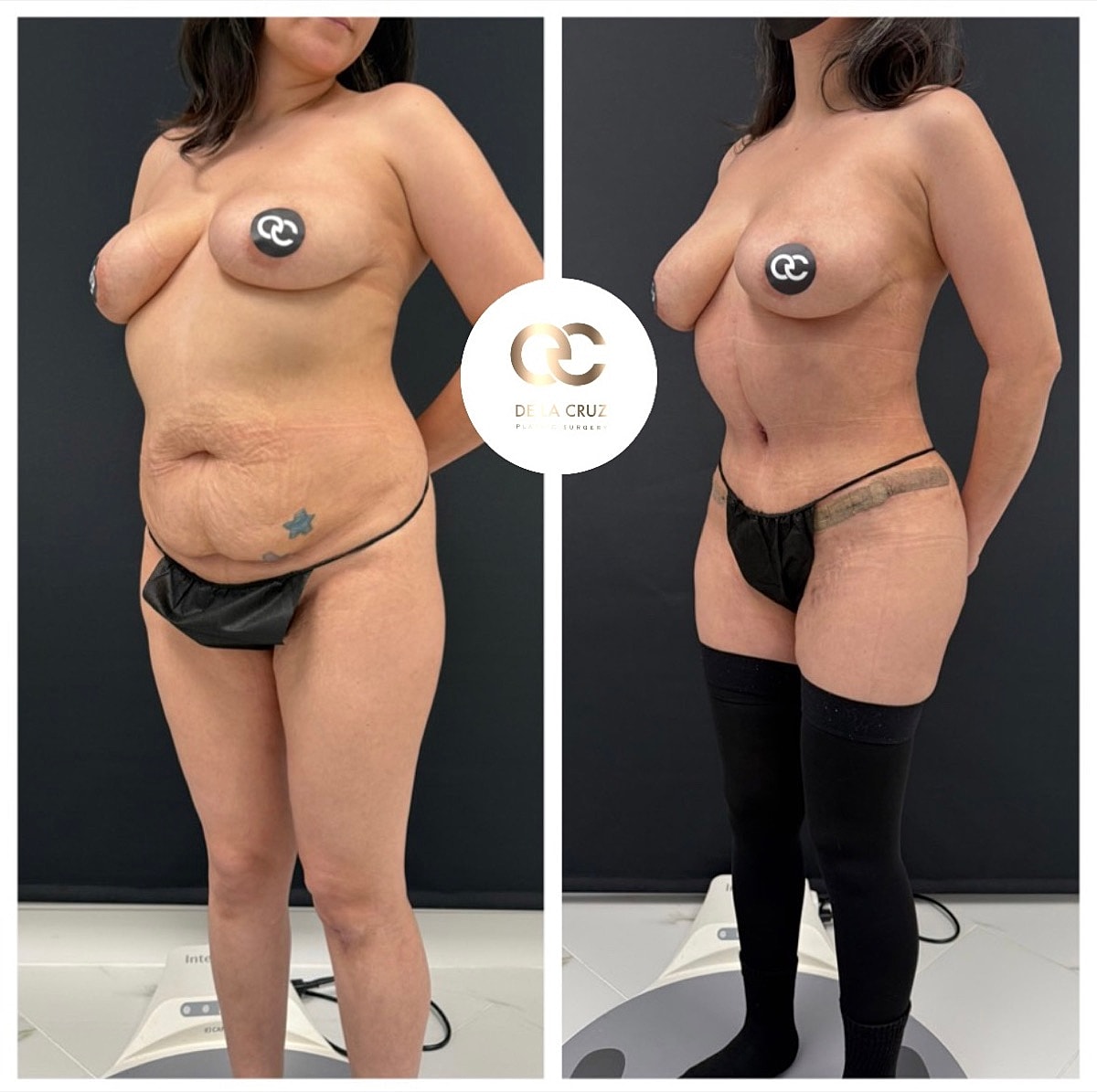
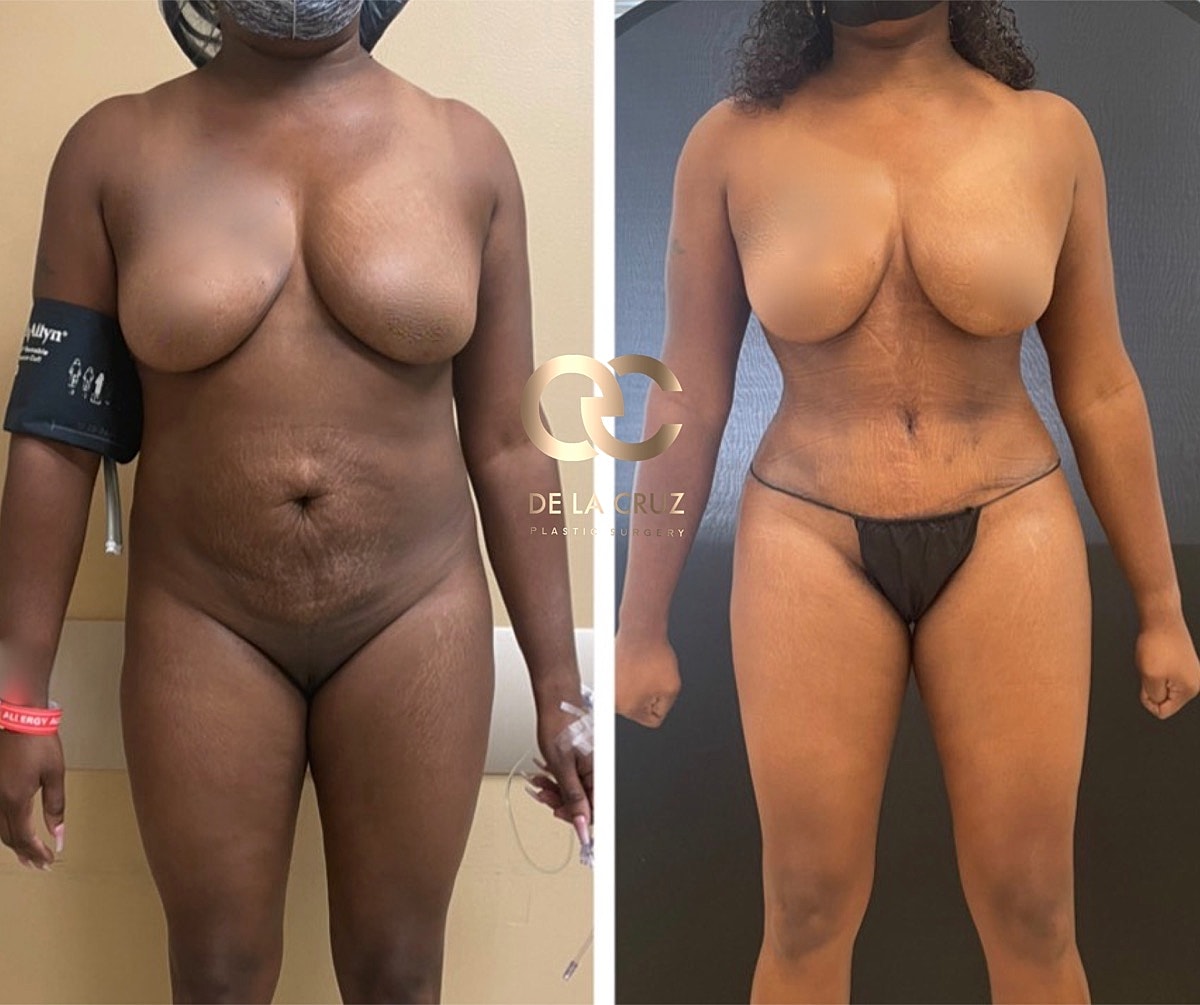
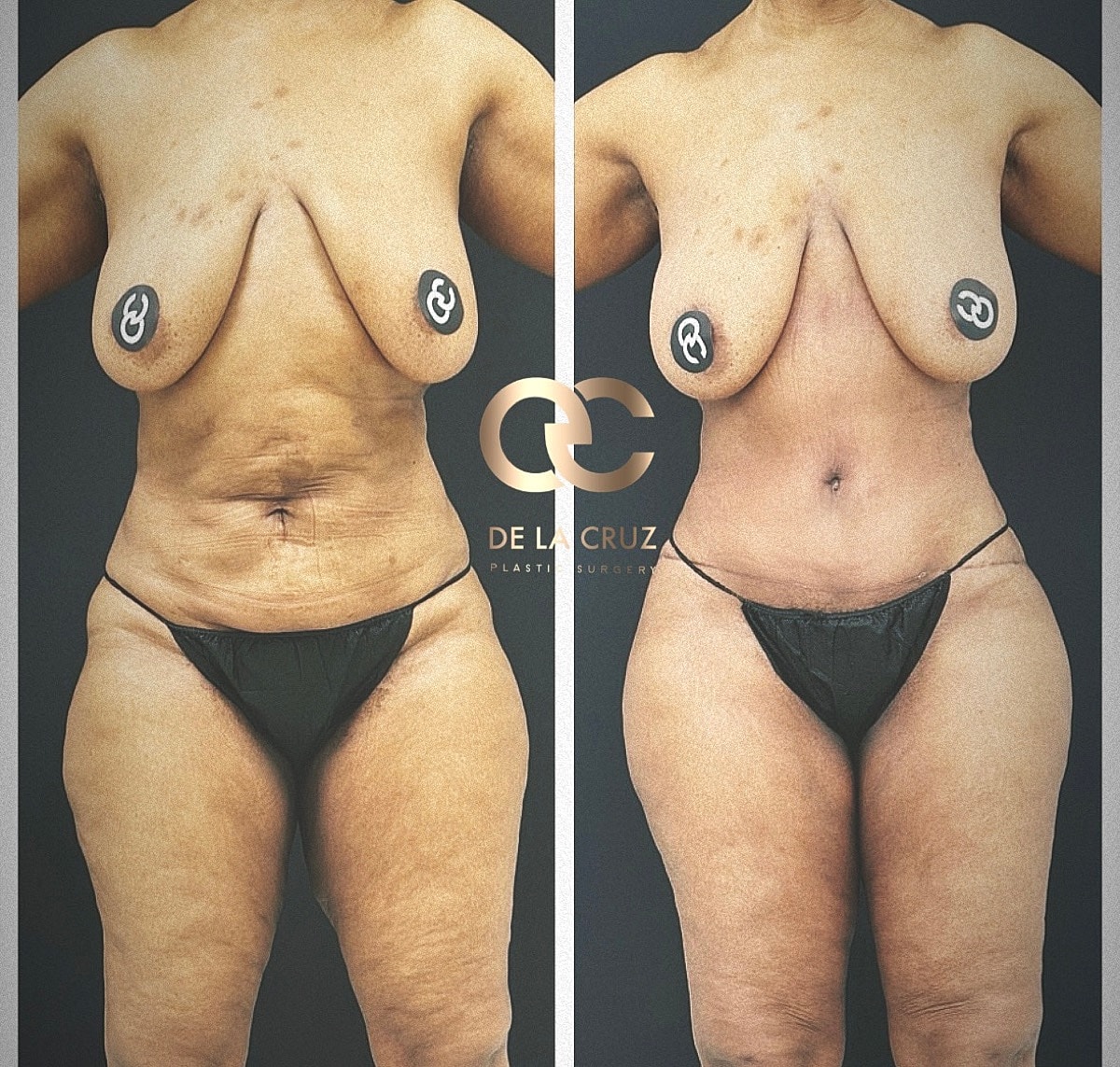
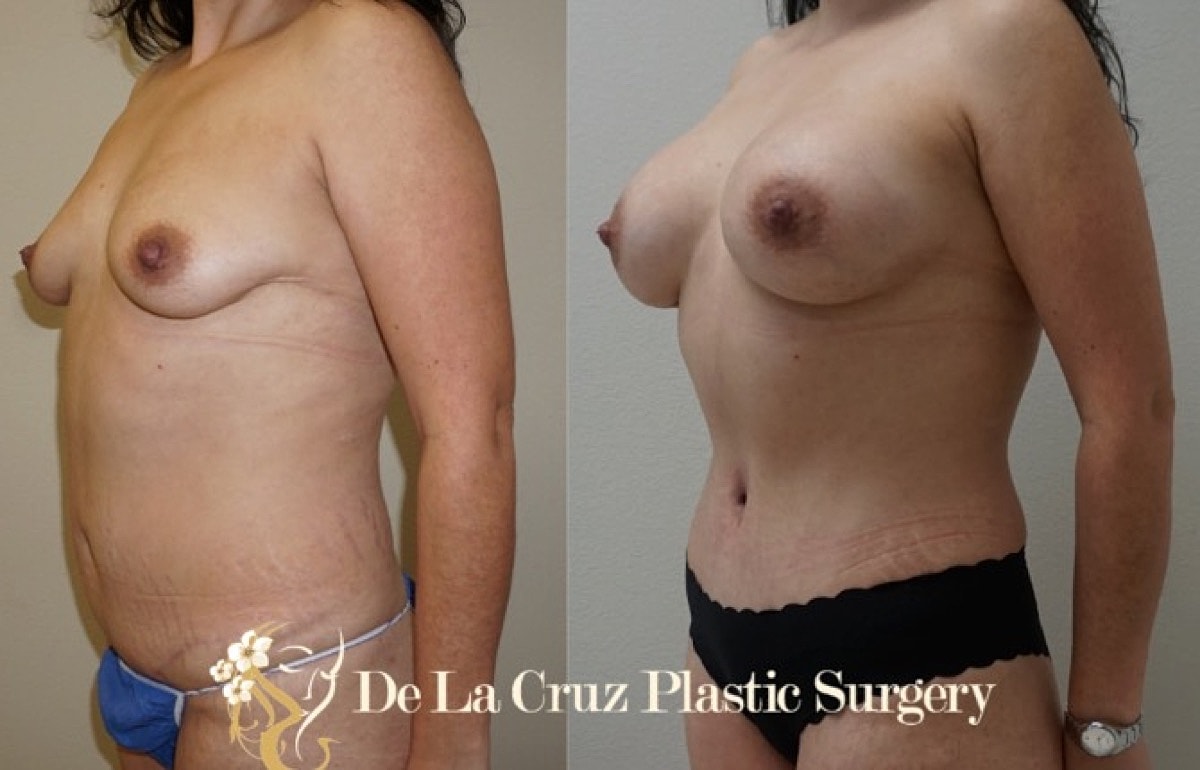
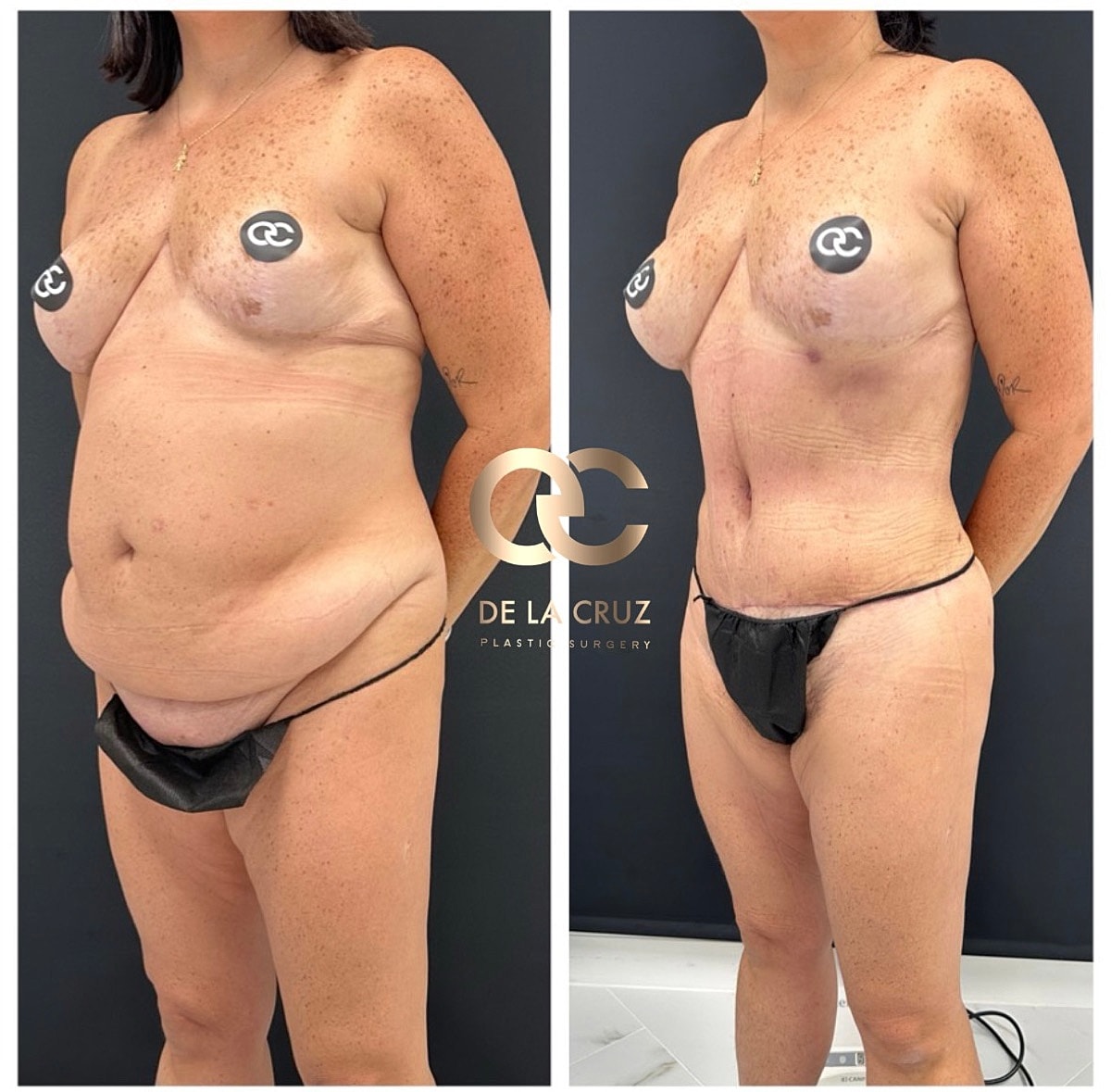
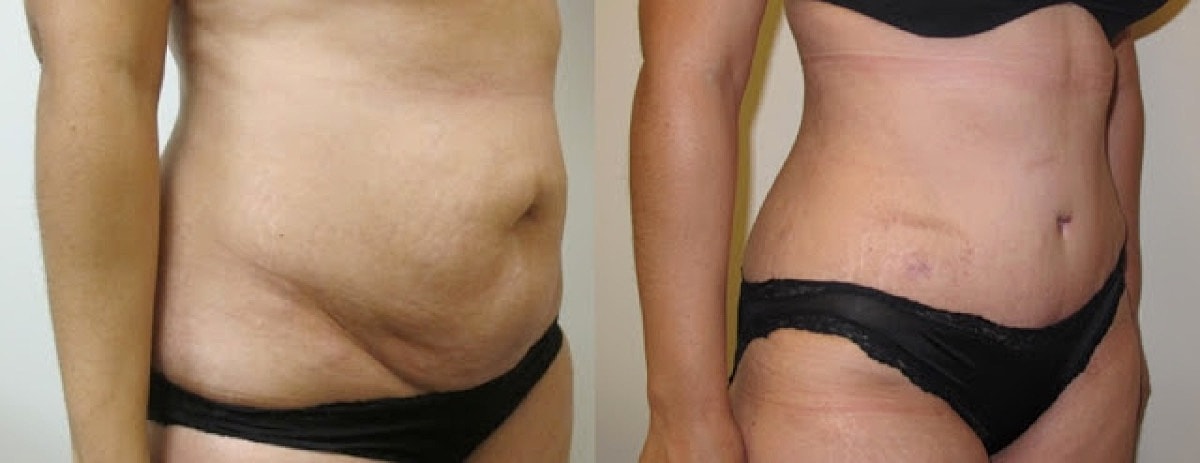
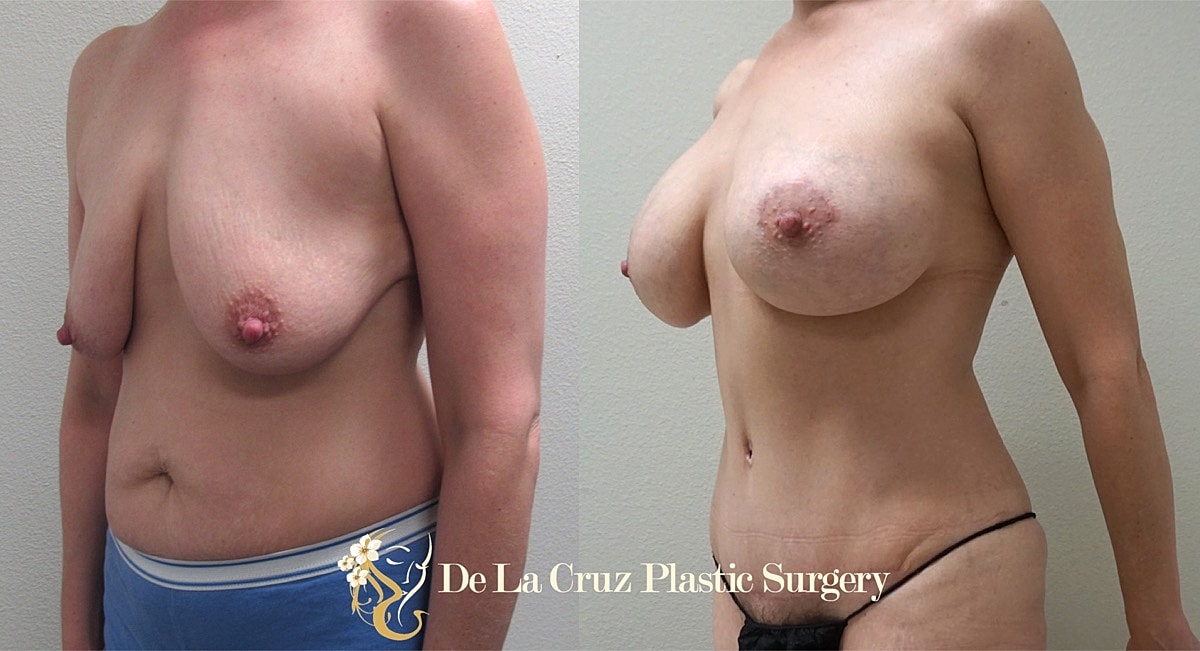
Our Houston mini tummy tuck is a cosmetic surgical procedure designed to treat loose skin, localized fullness, and limited muscle laxity of the lower abdomen.
Unlike a full abdominoplasty, which treats the upper and lower abdomen, a mini tummy tuck focuses primarily on the area below the belly button. The procedure typically requires one low horizontal incision through which Dr. De La Cruz can:
The word “mini” refers to the smaller treatment area. It doesn’t mean that the procedure is nonsurgical or requires no recovery. A mini tummy tuck still involves anesthesia, an incision, tissue removal, and a structured healing period.

Pregnancy, aging, genetics, and weight changes can stretch the abdominal skin in ways that exercise cannot reverse. In some patients, the changes are concentrated below the belly button while the upper abdomen remains relatively firm.
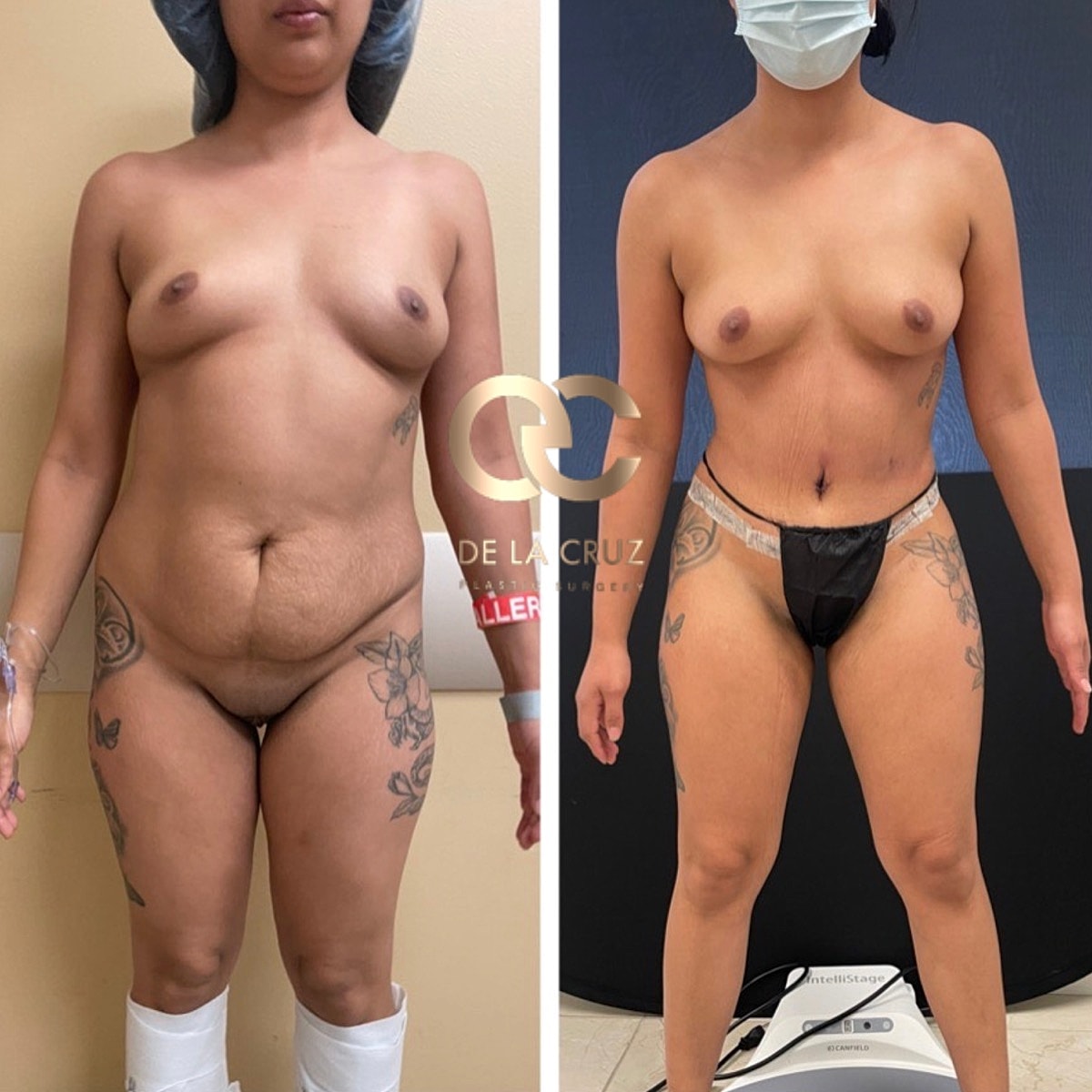
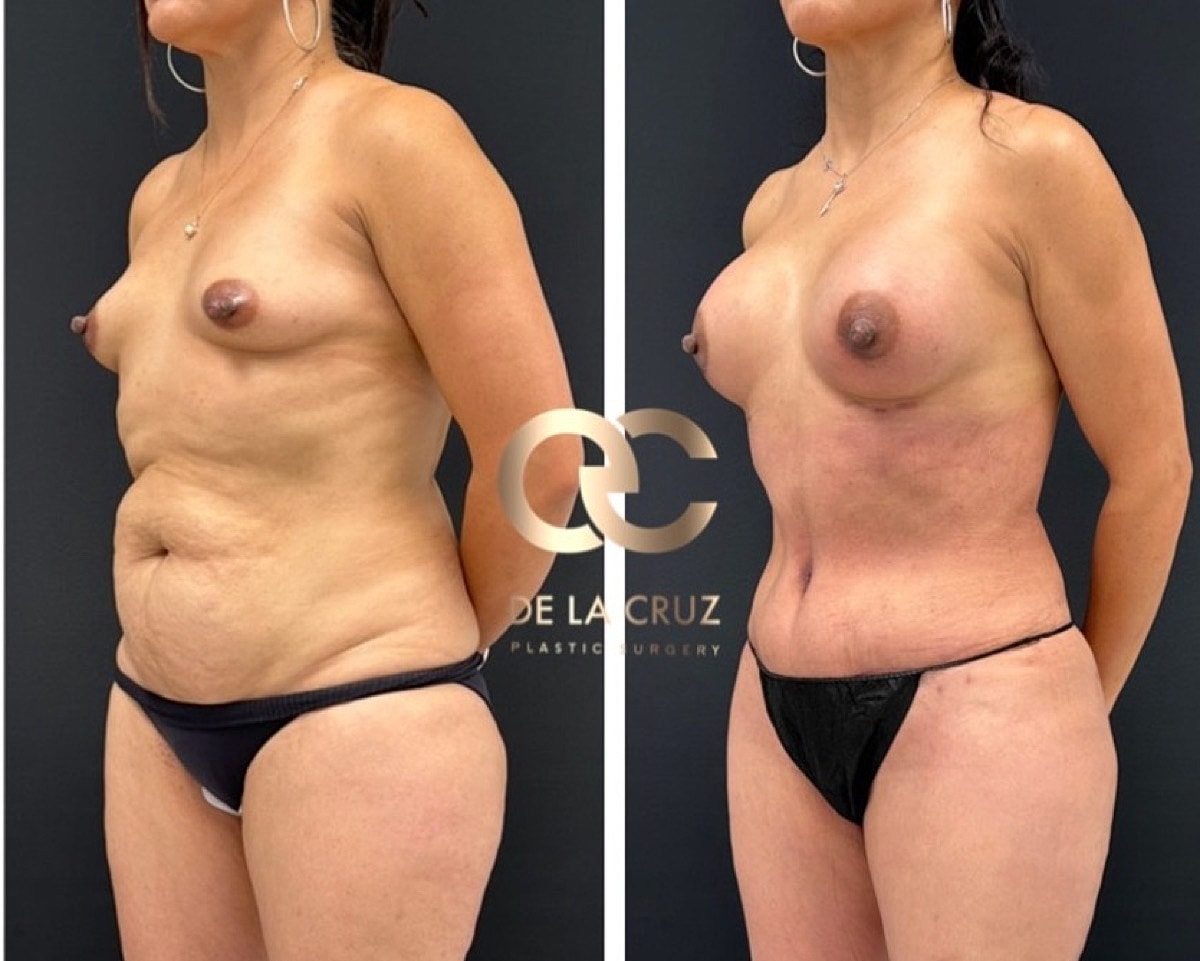
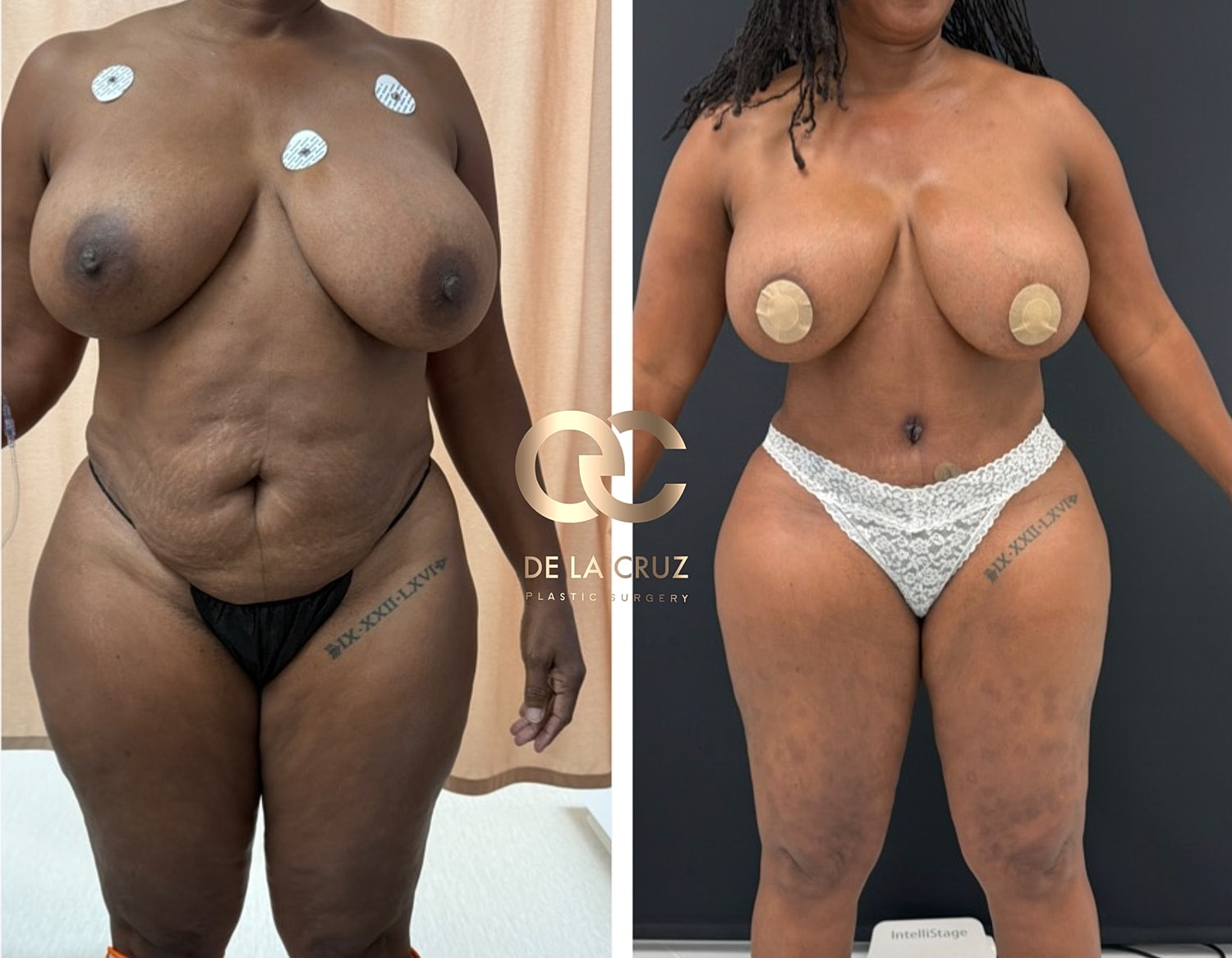
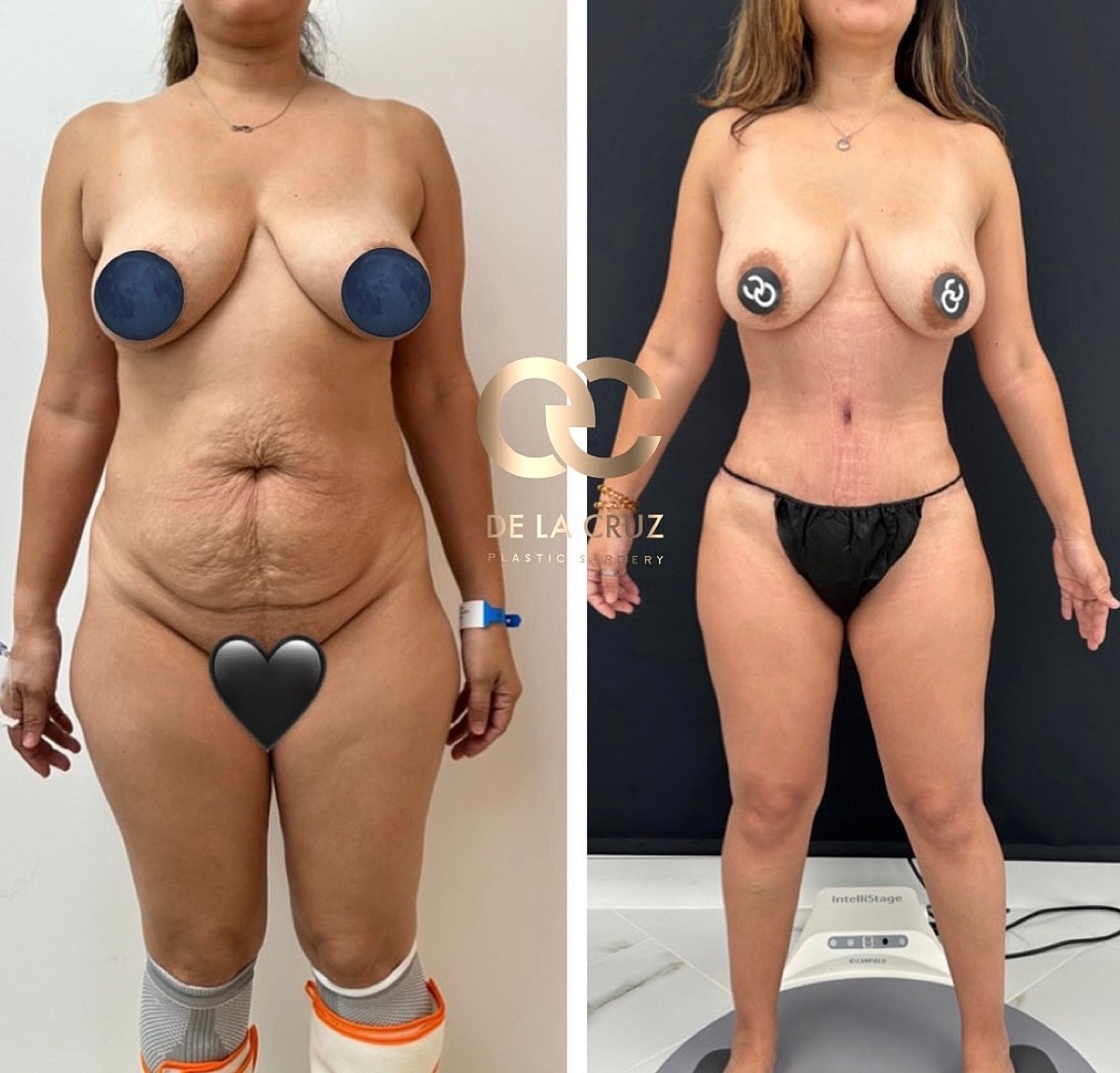
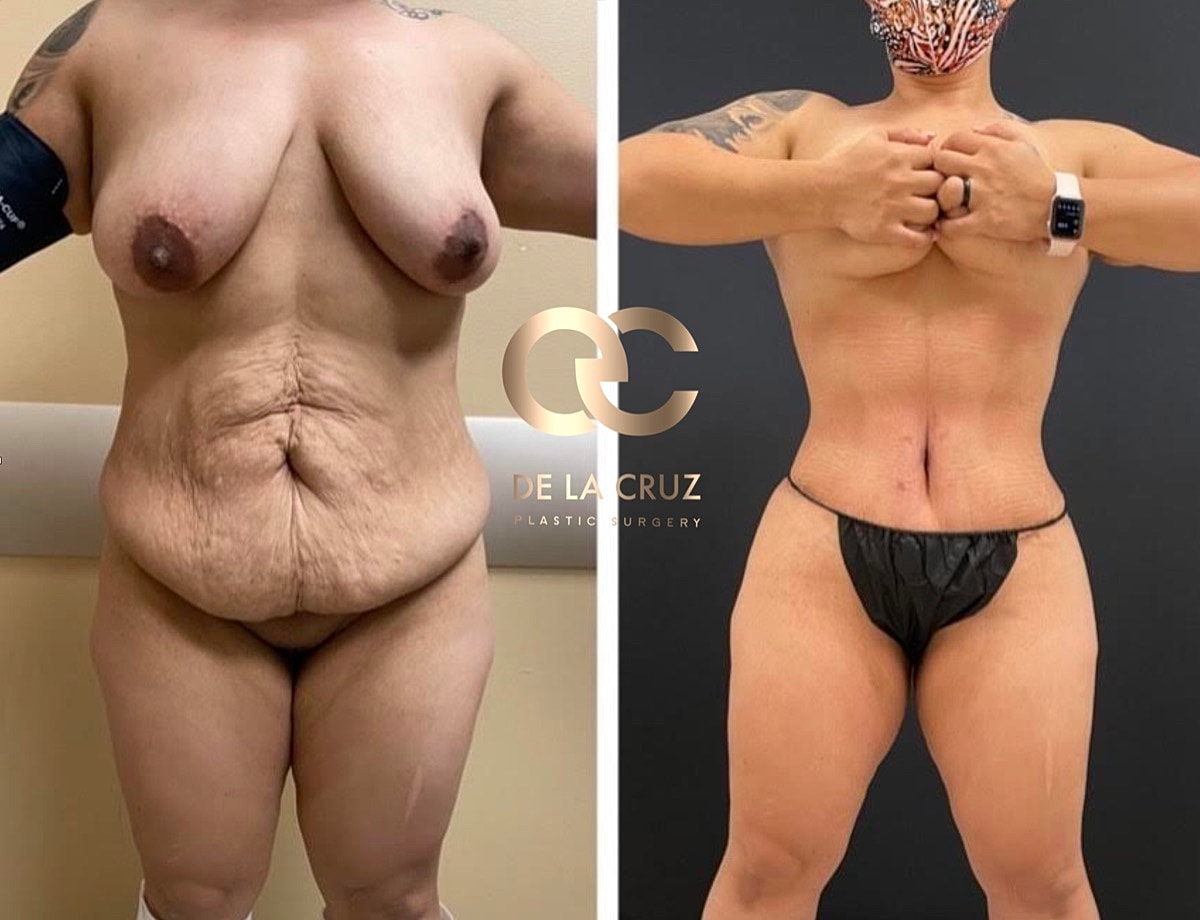
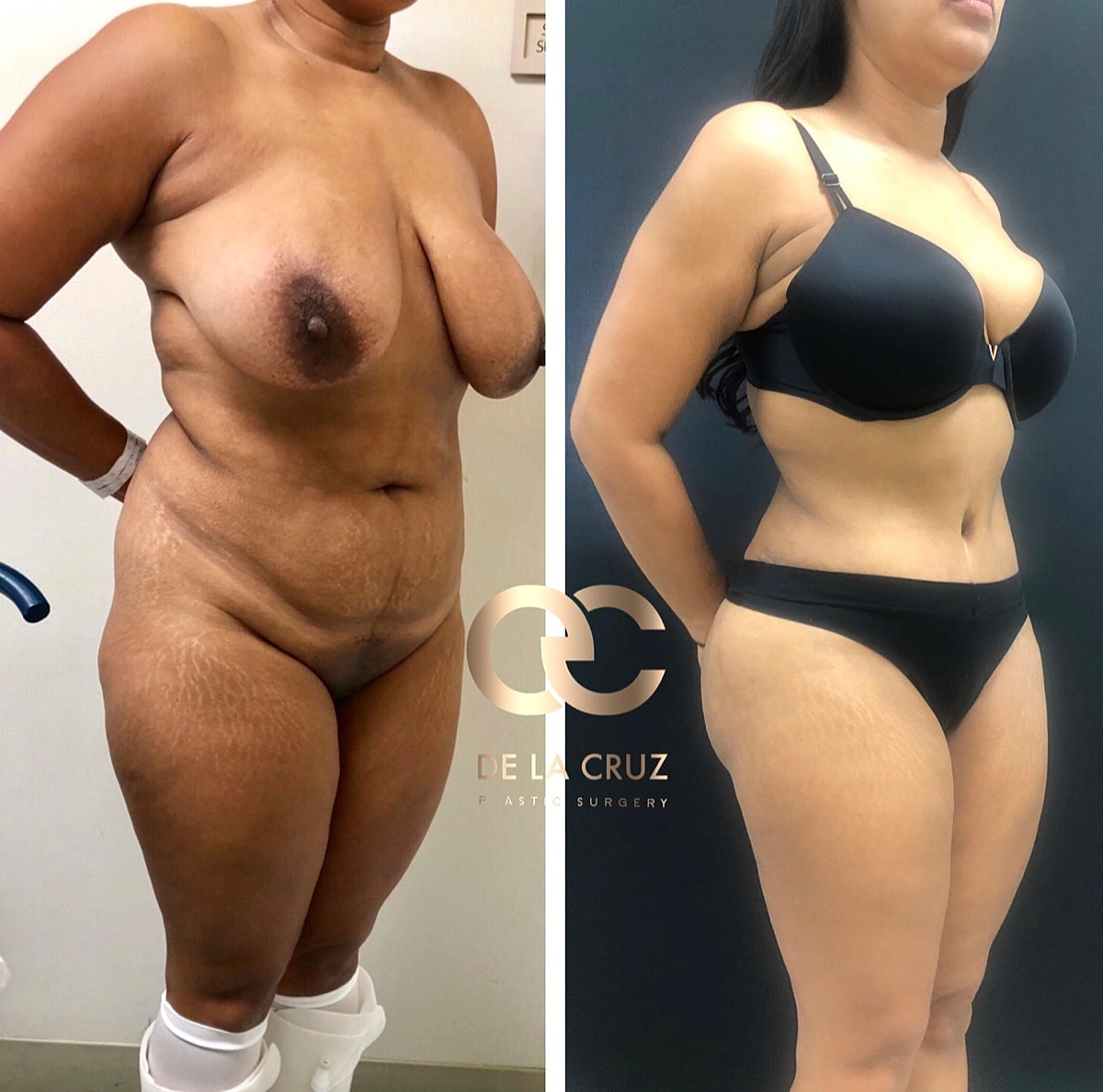
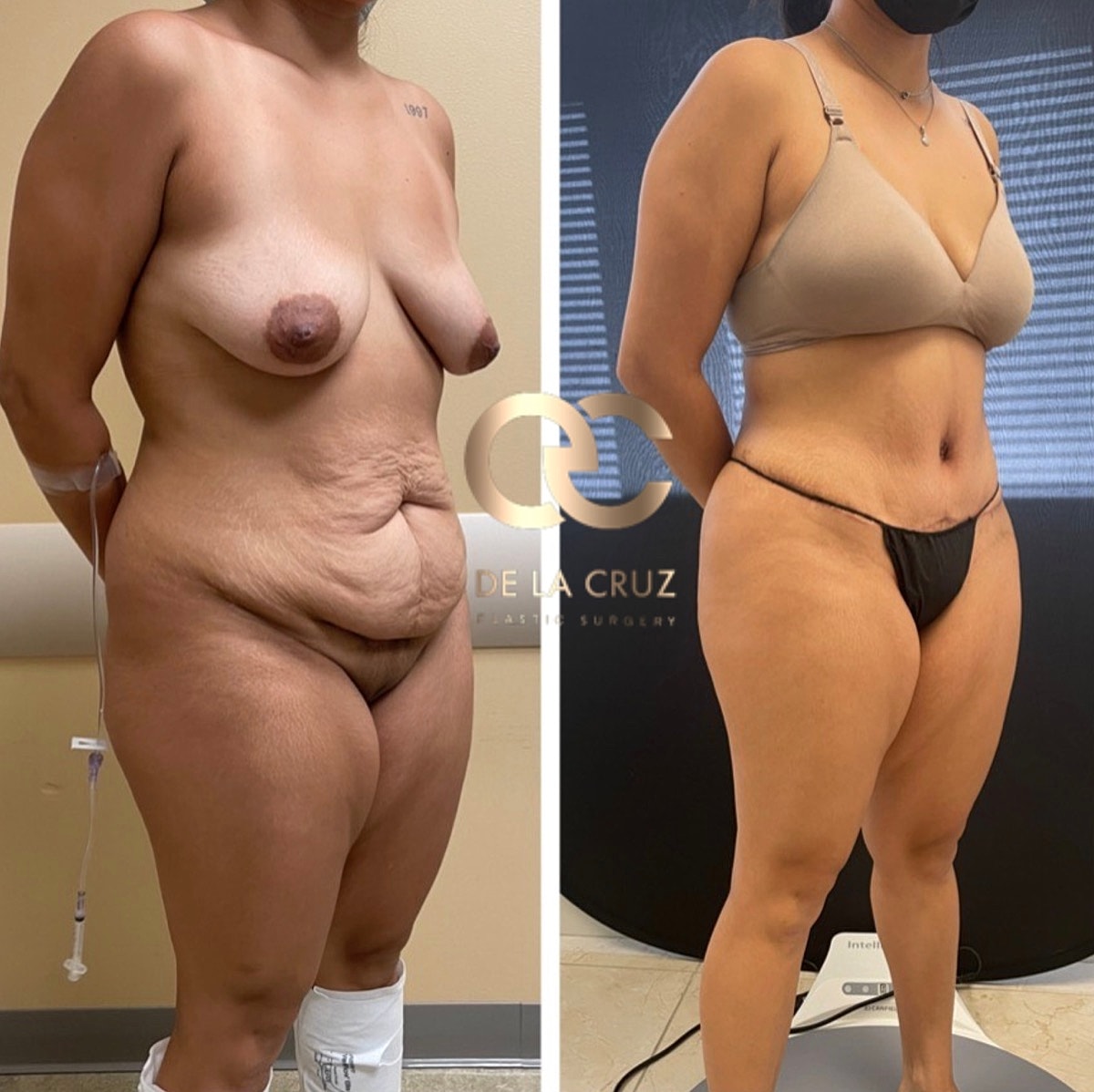
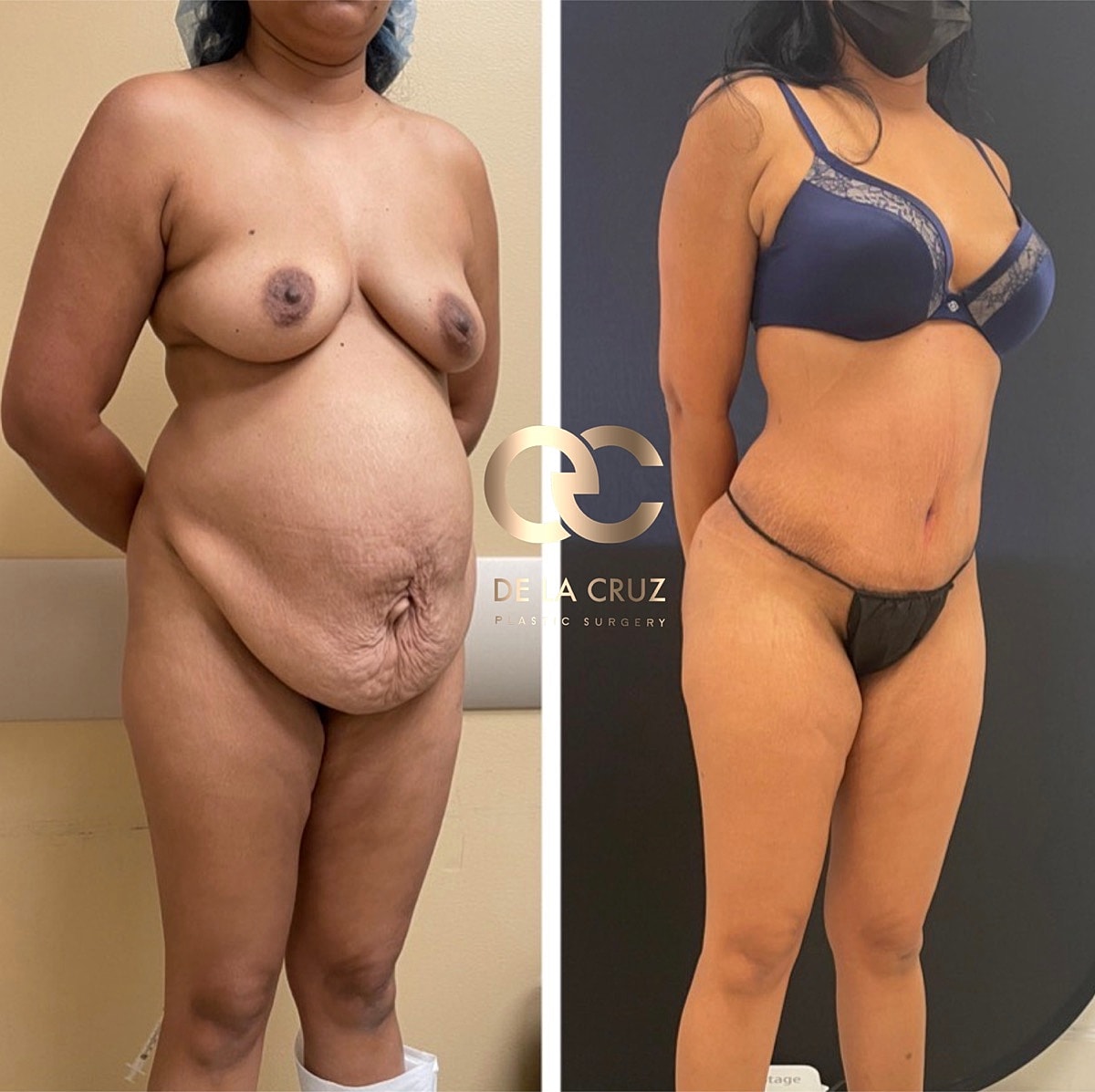
With a mini tummy tuck Houston patients can improve:
Because the procedure is limited to the lower abdomen, it will not fully correct:
A mini tummy tuck isn’t a weight-loss operation. It removes skin and subcutaneous fat but doesn’t remove visceral fat located deep inside the abdominal cavity.
The main difference between a mini tummy tuck and a full tummy tuck is the extent and location of the correction.
Although many patients are attracted to the shorter incision associated with a mini tummy tuck, the smaller procedure is only appropriate when it can fully address the patient’s anatomy.
When loose skin or muscle separation extends above the belly button, a full tummy tuck usually produces a smoother and more cohesive result. Performing a mini tummy tuck in Houston for a patient who needs a full procedure can leave persistent upper-abdominal laxity, an uneven contour, or an unsatisfactory result.
Liposuction and mini tummy tuck surgery treat different components of abdominal contour.
Liposuction removes excess fat. It works best when the skin is firm and elastic enough to contract after fat removal.
A mini tummy tuck removes excess skin. It may also provide limited tightening of the lower abdominal wall.
Patients with localized abdominal fat and good skin elasticity may achieve their desired result with liposuction alone. Patients who have both loose skin and excess fat may benefit from combining a mini tummy tuck with VASER liposuction.
During the consultation, Dr. De La Cruz evaluates the quality of the skin, the location of excess fat, the abdominal muscles, previous scars, and the relationship between the abdomen, waist, hips, and pubic area.
Diastasis recti occurs when the rectus abdominis muscles separate along the center of the abdomen. It commonly develops after pregnancy and may contribute to abdominal bulging even after the patient returns to a healthy weight.
Our Houston mini tummy tuck procedure may allow Dr. De La Cruz to tighten limited muscle separation located below the belly button.
However, if the separation extends into the upper abdomen, a full abdominoplasty is generally required to obtain adequate exposure and complete the repair. Attempting to correct extensive diastasis through a limited mini tummy tuck incision may result in an incomplete repair.
Dr. De La Cruz examines the entire abdominal wall before recommending the most appropriate procedure.

Before surgery, Dr. De La Cruz marks the lower abdomen and carefully plans the incision based on the location and amount of excess skin.
The incision is generally positioned near the pubic hairline, where it can usually be concealed beneath underwear or swimwear.
Through the incision, Dr. De La Cruz may:
Because the upper-abdominal skin is not extensively released, the belly button generally remains attached in its existing position.
A straightforward mini tummy tuck often takes approximately one to two hours. The procedure may take longer when muscle repair, VASER liposuction, or another body-contouring procedure is included.
A mini tummy tuck primarily addresses loose skin. It does not necessarily remove enough fat to reshape the waist, flanks, or surrounding abdomen.
When appropriate, Dr. De La Cruz may combine a mini tummy tuck with VASER liposuction to:
Dr. De La Cruz individualizes the location and extent of fat removal according to the patient’s anatomy. The goal is not simply to make the abdomen smaller, but to create smooth transitions between treated and untreated areas.

For an appropriately selected patient, mini tummy tuck surgery may:
The quality of the result depends heavily on patient selection. A mini tummy tuck should not be selected solely because the patient wants a shorter scar or faster recovery.
A good candidate for a mini tummy tuck is generally:
Good skin quality above the belly button is especially important because a mini tummy tuck doesn’t significantly tighten the upper abdomen.
Patients who have experienced massive weight loss, severe abdominal laxity, extensive muscle separation, or loose skin involving the upper abdomen may be better candidates for a full tummy tuck, extended abdominoplasty, or another body-contouring procedure.
Every mini tummy tuck creates a permanent scar. However, the scar is generally shorter than the scar associated with a full tummy tuck.
Dr. De La Cruz places the incision near the pubic hairline whenever the patient’s anatomy allows. The goal is to position the scar so that it can be covered by most underwear and swimwear.
The scar will initially appear pink, red, or darker than the surrounding skin. It generally softens and fades over time, although scar quality varies among patients.
A previous C-section scar may sometimes be incorporated into the mini tummy tuck incision and removed with the excess tissue. Whether this is possible depends on:
The belly button usually remains attached in its original position because the procedure focuses on the skin below the navel.
Preparation begins with a detailed review of the patient’s:
Dr. De La Cruz may request laboratory testing, medical clearance, or additional evaluation based on the patient’s age, health, and surgical plan.
Patients should arrange:
Nicotine can significantly impair circulation and wound healing. Patients must follow all instructions regarding smoking, vaping, nicotine products, alcohol, supplements, and medications that may increase bleeding risk.
Recovery varies according to the extent of skin removal, whether muscle repair is performed, and whether the procedure is combined with liposuction.
Swelling, bruising, soreness, and abdominal tightness are expected. Patients are encouraged to take short, gentle walks to support circulation.
A compression garment may be recommended to help control swelling and support the healing tissues. Patients should avoid standing completely upright if doing so places excessive tension on the incision.
Discomfort and tightness generally begin to improve. Many patients can return to sedentary or light-duty work during this period, depending on the demands of their occupation.
The incision and lower-abdominal contour will be evaluated during follow-up visits.
Movement becomes easier, and the lower-abdominal contour becomes more visible as swelling decreases. Patients must continue to avoid strenuous exercise, heavy lifting, and direct abdominal training until medically cleared.
Residual swelling gradually resolves, sensation may continue to change, and the scar begins to mature. Final scar appearance and tissue softness may continue to improve for many months.
After a mini tummy tuck Houston patients should follow all instructions regarding compression garments, incision care, medications, activity restrictions, and follow-up appointments.
An improvement in lower-abdominal contour is visible soon after surgery, although swelling initially obscures the final result.
As healing progresses, patients may notice:
Mini tummy tuck results can last for many years. However, pregnancy, major weight fluctuations, aging, and changes in skin elasticity can alter the abdomen over time.
Maintaining a stable weight and healthy lifestyle helps preserve the result.

Like all surgical procedures, a mini tummy tuck involves risks.
Potential complications include:
Drains may occasionally be used depending on the extent of tissue elevation, the surgical technique, and whether additional procedures are performed.
Dr. De La Cruz emphasizes careful patient selection, individualized surgical planning, appropriate blood-clot prevention, and attentive postoperative follow-up.
Dr. Emmanuel De La Cruz is certified by both the American Board of Plastic Surgery and the American Board of Surgery.
His advanced body-contouring experience allows him to evaluate the abdomen as part of the patient’s overall figure rather than treating the lower abdomen in isolation.
His approach considers:
Dr. De La Cruz’s background in classical sculpture also contributes to his understanding of shape, proportion, and three-dimensional contour.
Equally important, he recognizes when a mini tummy tuck is not the right procedure. Patients whose concerns extend above the belly button may be advised to consider a full tummy tuck or another body-contouring option rather than undergoing a smaller operation that may leave important areas untreated.
A private consultation is the most reliable way to determine whether a mini tummy tuck can address your concerns.
During the consultation, Dr. De La Cruz will evaluate:
Contact De La Cruz Plastic Surgery to schedule a consultation for a mini tummy tuck in Houston, Texas.
The cost of a mini tummy tuck varies according to the amount of skin being removed, whether muscle repair is needed, and whether VASER liposuction or another procedure is included. Anesthesia, surgical facility, compression garment, and postoperative care may also affect the total cost.
After your consultation, the practice will provide a personalized estimate based on your surgical plan.
A mini tummy tuck may cost less than a full tummy tuck because it generally involves a smaller treatment area and less extensive surgery. However, the appropriate procedure should be selected based on anatomy rather than cost alone.
Choosing a mini procedure when a full tummy tuck is needed may leave persistent loose skin or muscle laxity.
Soreness, swelling, and tightness are expected during the first several days. Discomfort is usually manageable with prescribed medication, rest, compression, and adherence to postoperative instructions.
Patients who undergo muscle repair or liposuction may experience more tightness and soreness than patients undergoing skin removal alone.
A mini tummy tuck usually does not reposition the belly button. Because the procedure focuses on skin below the navel, the belly button generally remains attached in its existing position.
A mini tummy tuck can sometimes repair limited muscle laxity below the belly button. Muscle separation involving the upper abdomen usually requires a full tummy tuck for adequate exposure and repair.
A C-section scar may sometimes be incorporated into the mini tummy tuck incision and removed with the excess skin. This depends on the position of the scar, the amount of loose skin, and the planned incision.
Yes. A mini tummy tuck creates a permanent horizontal scar. It is generally shorter than a full tummy tuck scar and is positioned near the pubic hairline whenever possible.
The scar will initially appear more visible and generally fades and softens over time.
Stretch marks located on the skin that is surgically removed will be removed with that tissue. Stretch marks outside the excised area will remain, although their position or appearance may change when the surrounding skin is tightened.
Yes. VASER liposuction may be combined with a mini tummy tuck when the patient has both loose lower-abdominal skin and localized excess fat.
Liposuction may be used to refine the abdomen, waist, flanks, or surrounding transitions.
A straightforward mini tummy tuck often takes approximately one to two hours. The procedure may take longer when muscle repair, VASER liposuction, or another surgery is included.
Initial healing generally takes four to six weeks. Many patients return to light or sedentary work within one to two weeks, although recovery varies.
Heavy lifting, strenuous exercise, and direct abdominal training must be postponed until the surgeon provides clearance.
Gentle walking begins shortly after surgery. More strenuous exercise is gradually resumed based on healing, the presence of muscle repair, and the surgeon’s recommendations.
Patients should not resume abdominal training or heavy lifting without medical clearance.
Results can last for many years when patients maintain a stable weight and healthy lifestyle. Pregnancy, significant weight gain or loss, aging, and changes in skin elasticity can alter the abdomen over time.
A mini tummy tuck does not prevent future pregnancy. However, pregnancy can stretch the treated skin and abdominal muscles and may affect the result.
Patients are generally encouraged to postpone tummy tuck surgery until they have completed childbearing.
If loose skin or muscle separation extends above the belly button, Dr. De La Cruz may recommend a full tummy tuck rather than a mini procedure.
The goal is to select the operation that adequately treats the entire problem and produces a smooth, balanced contour.
A mini tummy tuck can be worthwhile for a carefully selected patient whose concerns are limited to the lower abdomen. It is less likely to be satisfactory when there is significant upper-abdominal laxity, extensive diastasis recti, or widespread loose skin.
A consultation with a board-certified plastic surgeon is necessary to determine whether the anticipated improvement justifies the surgery and recovery.