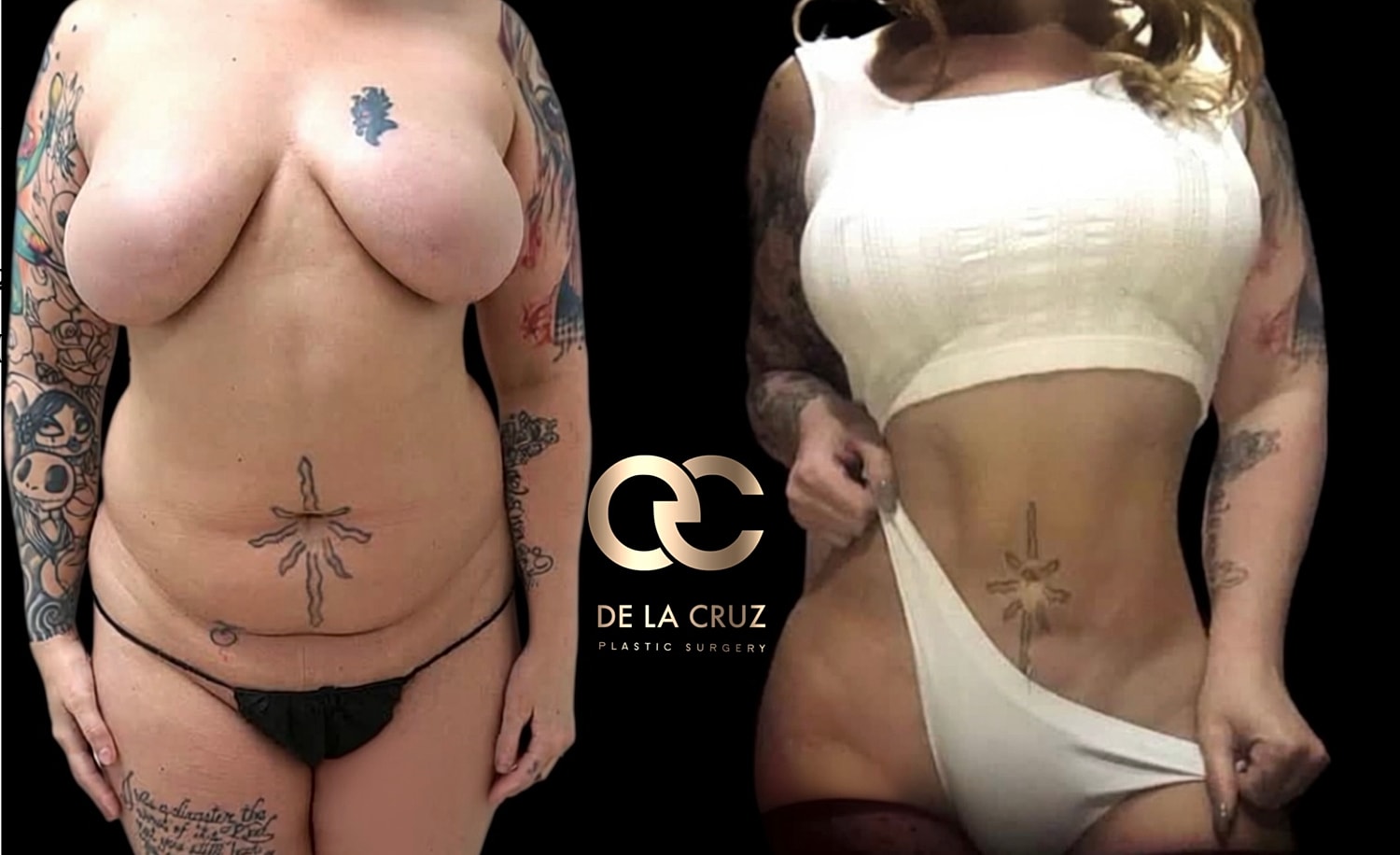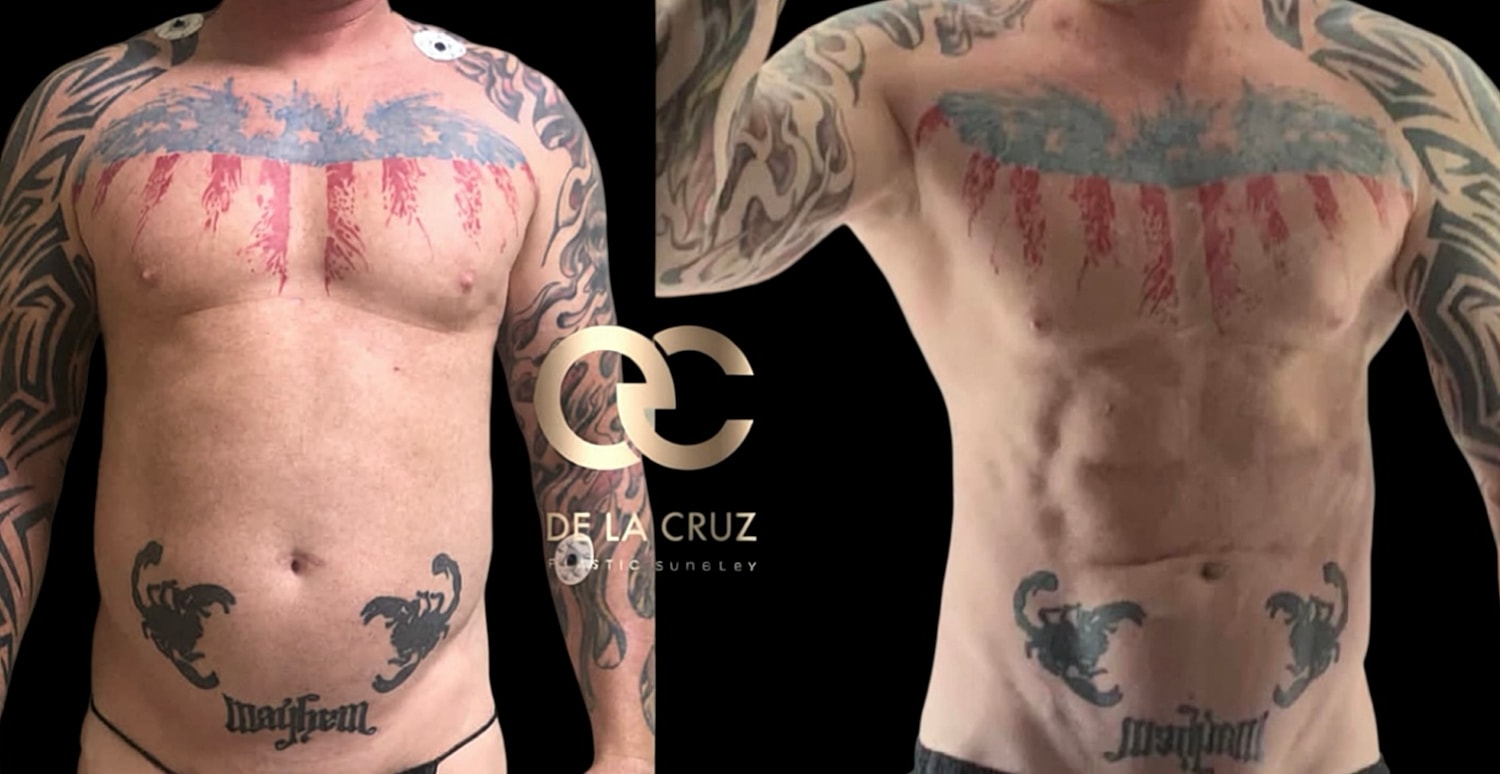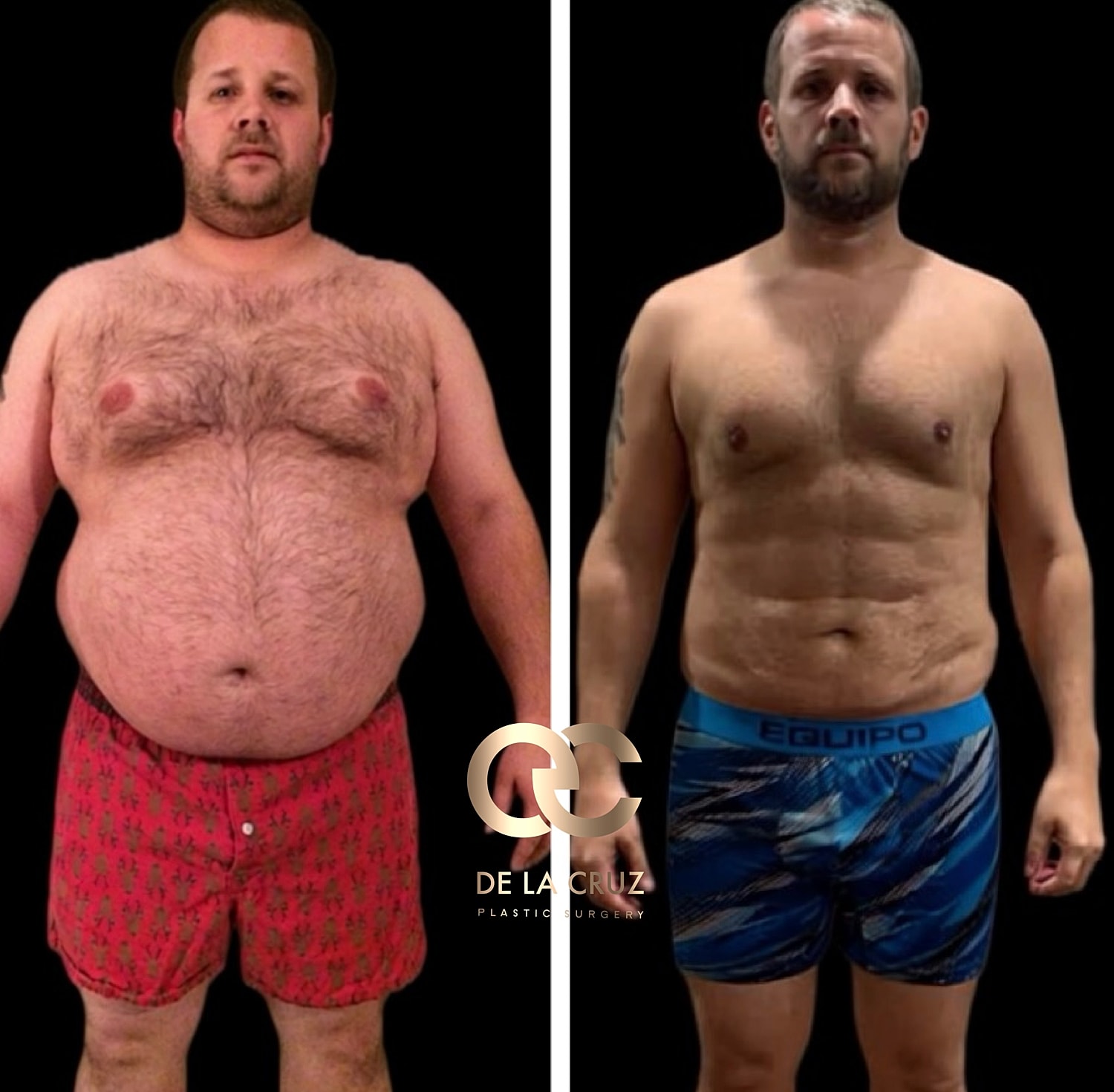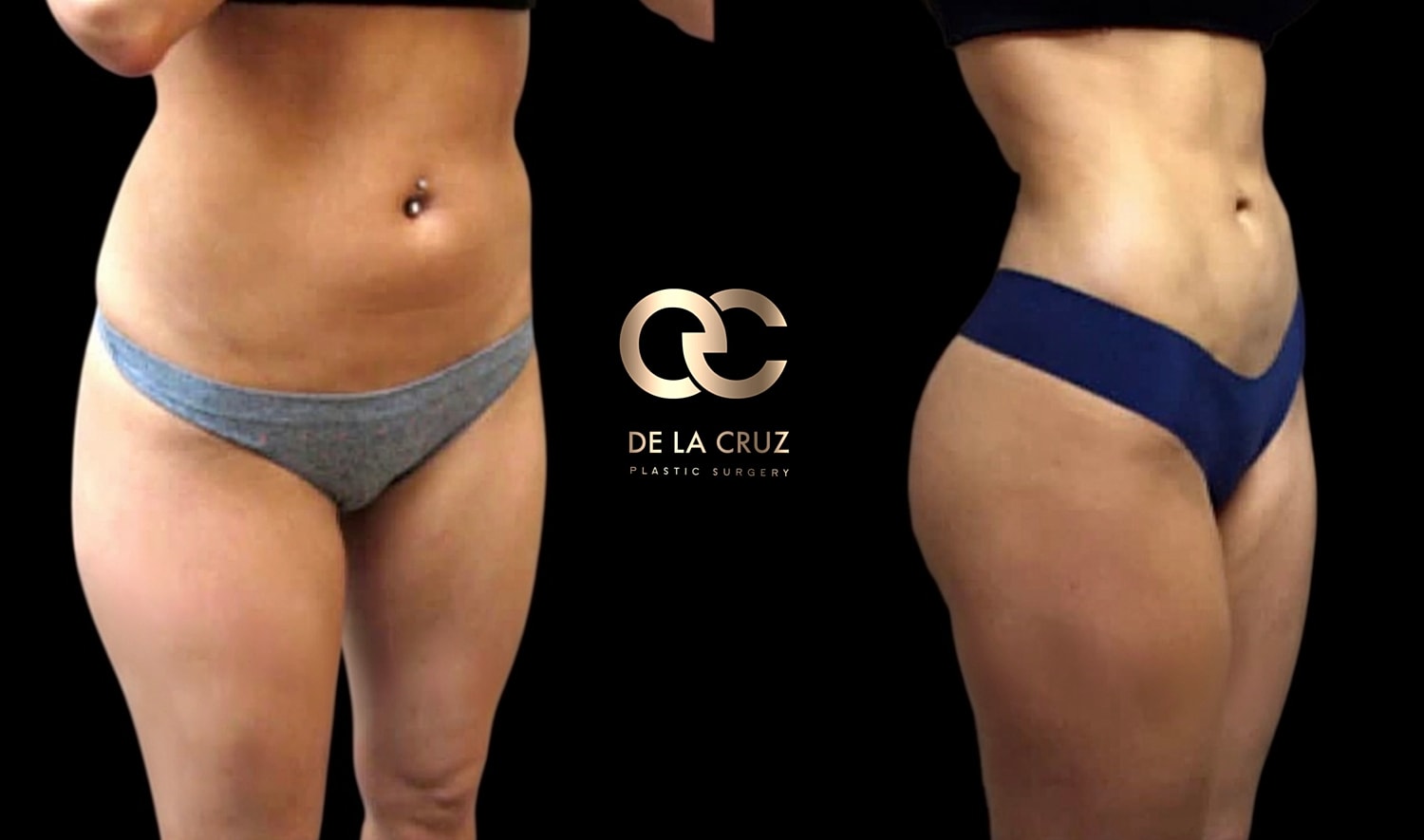
Exercise After Liposuction: Safe Return to Training (Men vs Women Guidelines)
Written by Dr. Emmanuel De La Cruz, MD Double Board-Certified Plastic Surgeon | Houston, Texas
Written by Dr. Emmanuel De La Cruz, MD Double Board-Certified Plastic Surgeon | Houston, Texas
The timeline for returning to exercise after a liposuction surgery depends on the type of procedure and treatment areas.
A controlled, progressive return is essential to protect results and avoid complications.
This article is part of our comprehensive liposuction resource library. For a complete overview, visit our Liposuction in Houston page, explore the Ultimate Guide to Liposuction, and review real patient outcomes in our Before and After Liposuction Results Guide.
1 of 16
Liposuction creates controlled surgical trauma beneath the skin. During recovery, the body undergoes:
Exercising too early can increase swelling, disrupt healing, and negatively affect contour. In patients undergoing fat transfer, early activity can compromise fat survival.
Check our Ultimate Guide to Liposuction
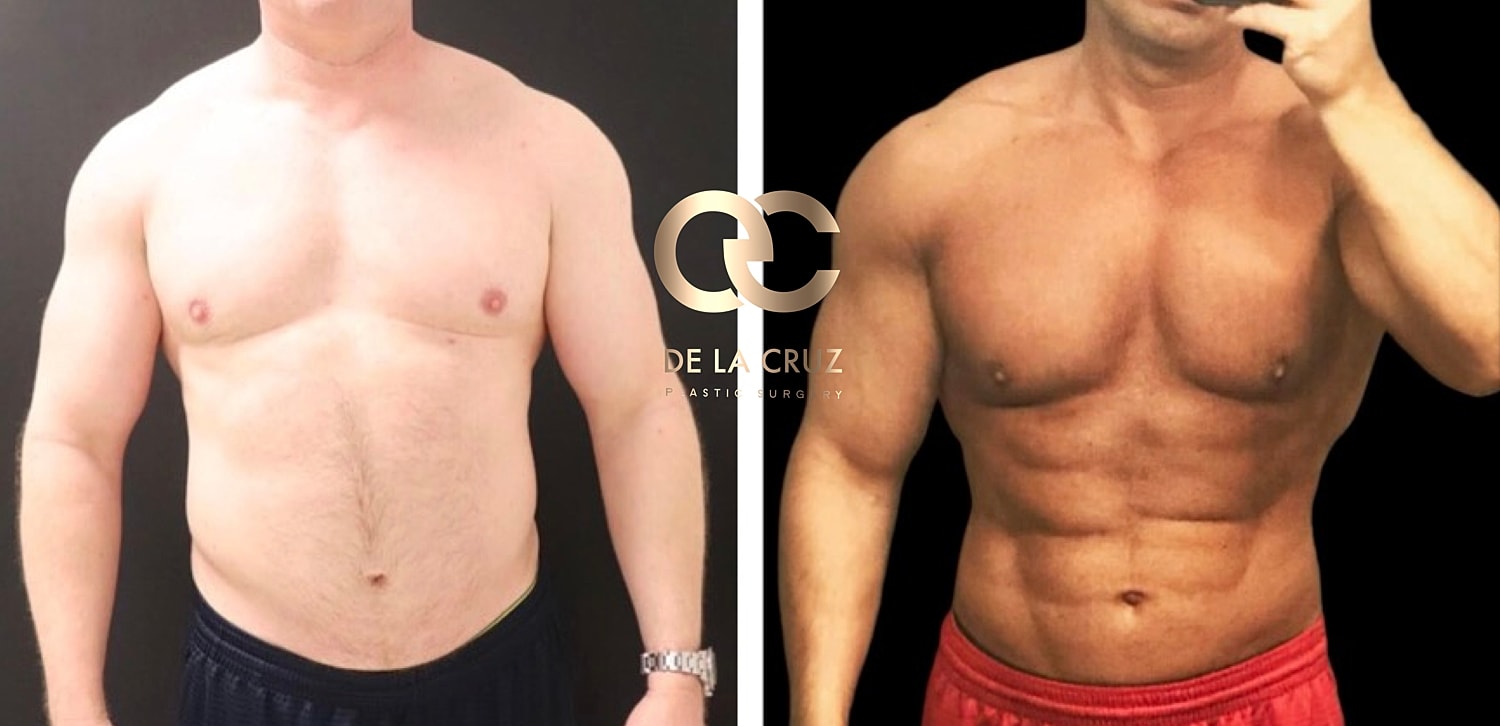
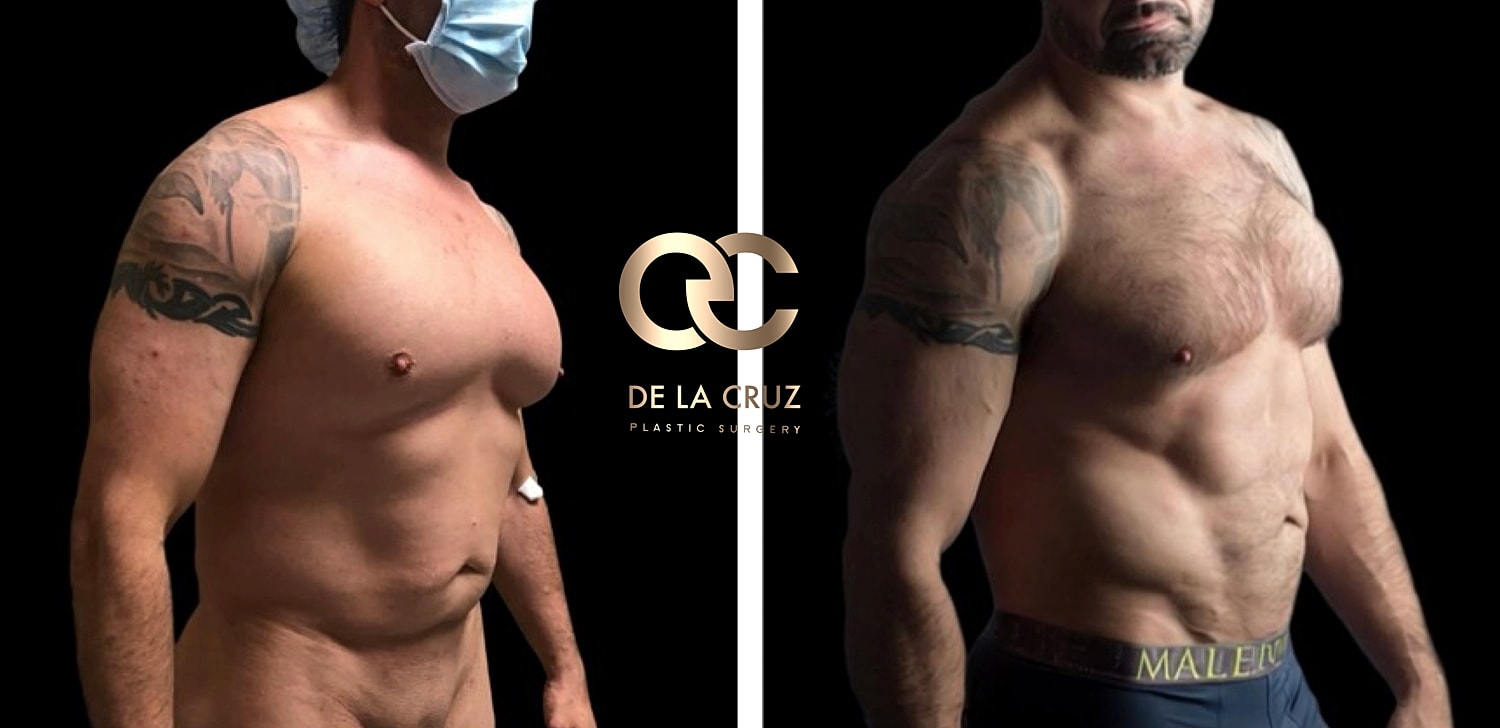
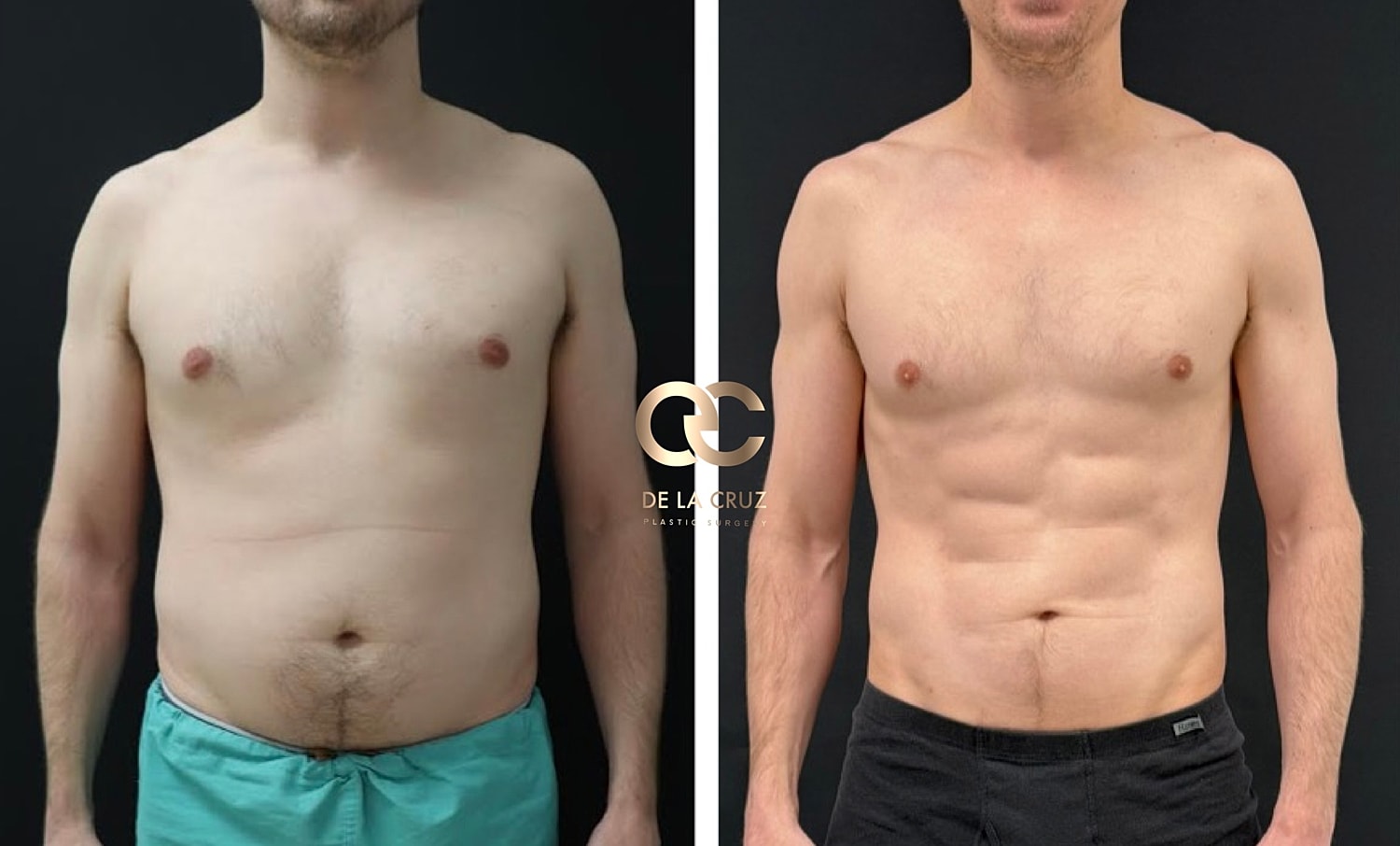
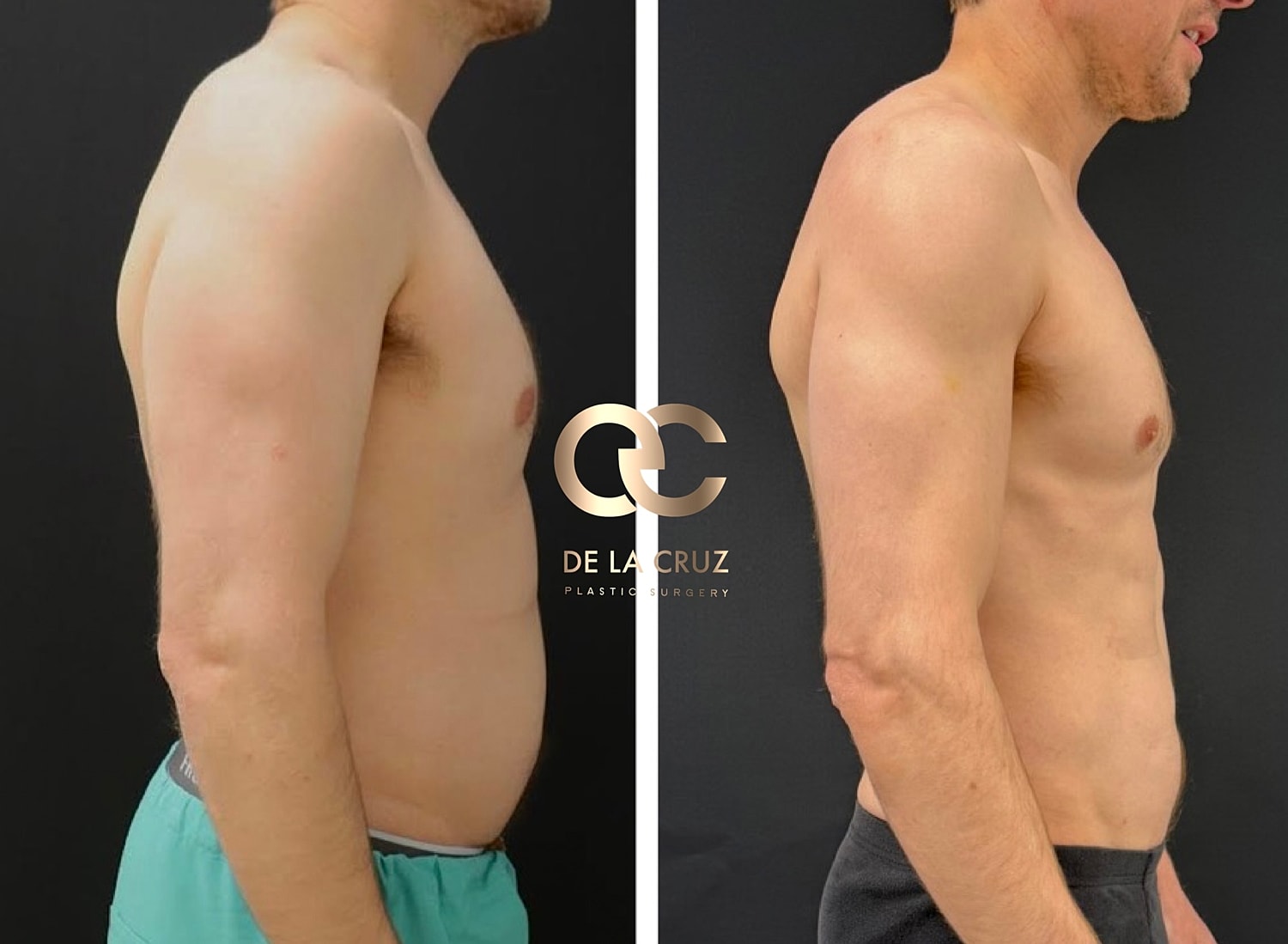
Men undergoing Houston liposuction without fat transfer can begin structured resistance training at 2 weeks, provided healing is progressing appropriately.
Key Principles
Recommended Training Structure
Upper Body
Core
Lower Body (For Balance & Proportion)

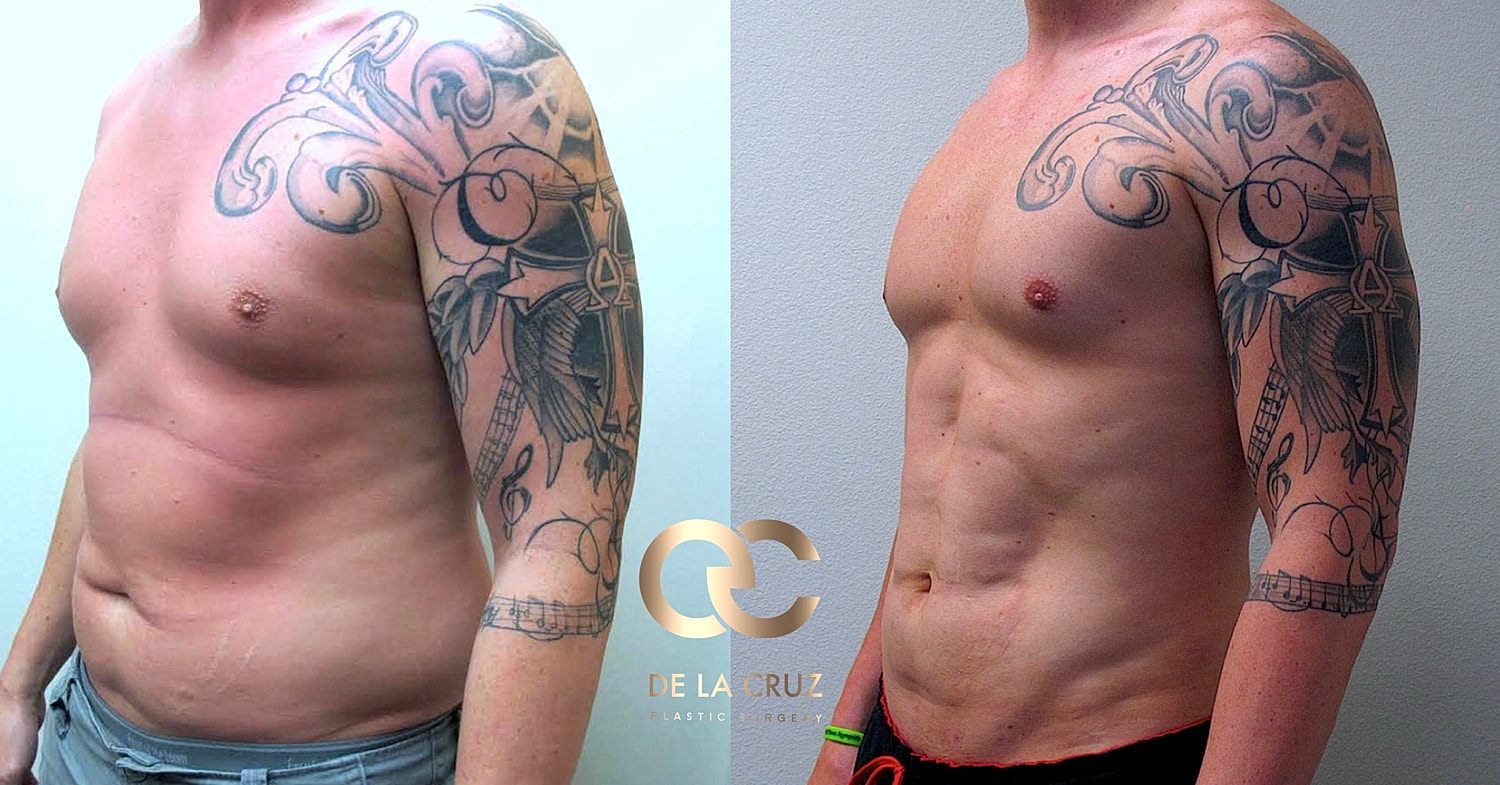
👉 This approach supports the high-definition sculpting outcome, not just recovery.
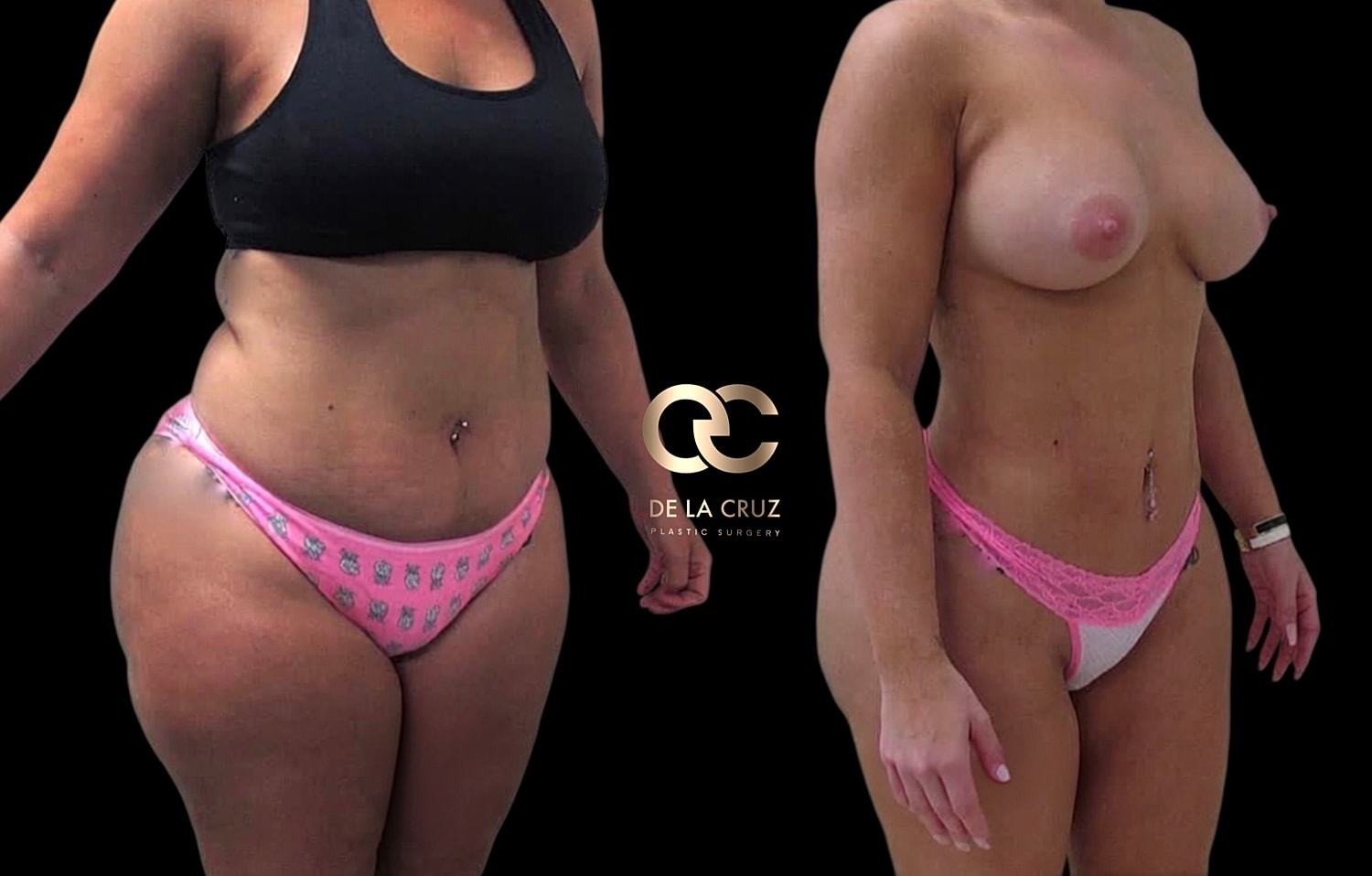
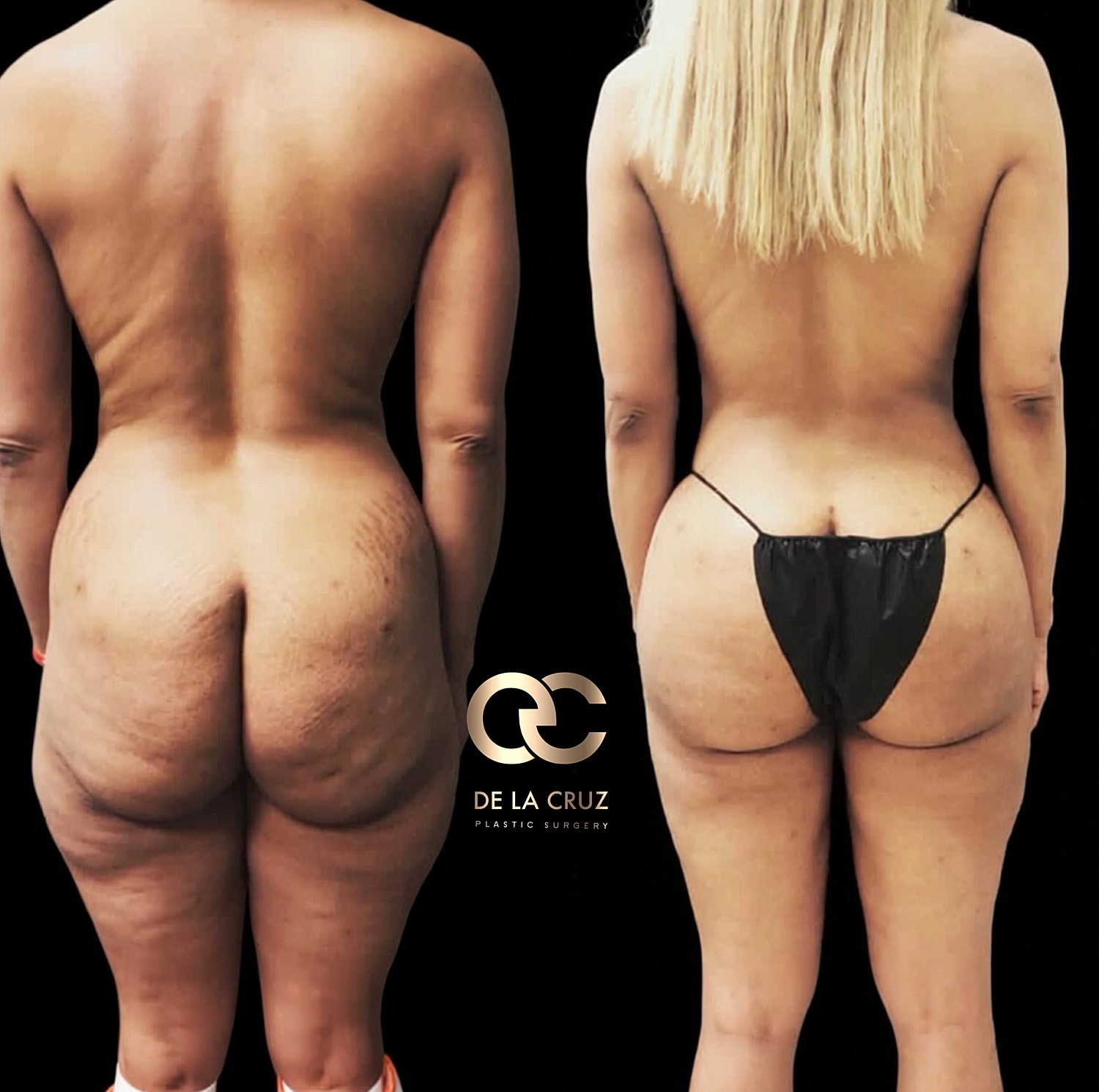
For patients undergoing fat transfer to the buttocks, exercise must be delayed to protect fat survival.
Why Delay Exercise?
Transferred fat requires:
Early exercise can:
Timeline
After 8 Weeks
Exercise enhances results—but only when introduced at the right time.
Liposuction is not just about fat removal—it is about sculpting the body. Your return to exercise should reflect that same level of precision.
A disciplined approach ensures optimal healing, better contour, and long-lasting results.
About the Medical Reviewer Dr. Emmanuel De La Cruz is a double board-certified plastic surgeon specializing in advanced facial rejuvenation and body contouring procedures. 👉 [Learn more about Dr. Emmanuel De La Cruz]

Most patients can begin light activity within 1–2 weeks after liposuction and return to full exercise, including strength training, at approximately 4–6 weeks, depending on healing and the extent of the procedure.
Yes, light walking is encouraged immediately after surgery to improve circulation, reduce the risk of blood clots, and support recovery.
Most patients can return to the gym for light workouts around 2–3 weeks after surgery, with gradual progression to more intense exercise over the following weeks.
Weightlifting is typically resumed around 4–6 weeks after liposuction, once swelling has improved and the body has healed sufficiently.
Light cardio such as walking can begin immediately, while moderate cardio (e.g., cycling or elliptical) usually resumes around 2–3 weeks, and more intense cardio at 4–6 weeks.
Exercising too early can increase swelling, delay healing, and raise the risk of complications such as fluid accumulation or bleeding. It is important to follow a gradual recovery plan.
Yes, regular exercise helps maintain results by supporting a stable weight and improving overall body composition after healing is complete.
Light movement such as walking can help circulation and reduce swelling, but intense exercise too early may worsen swelling rather than improve it.
High-intensity workouts, including running and HIIT training, are usually resumed around 4–6 weeks once the body has healed and swelling has improved.
About the Author
Dr. Emmanuel De La Cruz, MD is a double-board-certified plastic surgeon in Houston, Texas, certified by both the American Board of Plastic Surgery and the American Board of Surgery. He specializes in advanced liposuction and body contouring procedures, including high-definition liposculpture, Brazilian Butt Lift (BBL), revision liposuction, and treatment of lipedema.
Dr. De La Cruz is internationally recognized for his expertise in high-definition liposuction and contour sculpting techniques, which play a critical role in achieving balanced, natural-looking results in procedures such as liposuction and Brazilian Butt Lift surgery. His work focuses on precise body contour sculpting to enhance overall body proportions.
He has lectured internationally on liposuction techniques, fat grafting, and contour irregularity correction, presenting at major scientific meetings including the American Society of Plastic Surgeons (ASPS), the Total Definer Meeting in Bogotá, Colombia, the InMode Symposium in Miami and Beverly Hills, and AestheticStanbul in Istanbul, Turkey, where he was invited to lecture by renowned plastic surgeon Dr. Foad Nahai.
Dr. De La Cruz has also contributed to the scientific literature on liposuction and body contouring. He is the author of “Lipoplasty in the Overweight Patient”, published in the peer-reviewed journal Clinics in Plastic Surgery.
Through his clinical work, research, and international lectures, Dr. De La Cruz focuses on advancing safe, precise, and refined techniques in liposuction, BBL surgery, and modern body contouring.