What Does a Facelift Fix?
Written by Dr. Emmanuel De La Cruz, MD Double Board-Certified Plastic Surgeon | Houston, Texas
Written by Dr. Emmanuel De La Cruz, MD Double Board-Certified Plastic Surgeon | Houston, Texas
A facelift (rhytidectomy) is one of the most powerful procedures in aesthetic surgery—but many patients misunderstand what it actually corrects.
The short answer:
👉 A facelift primarily fixes sagging, deep folds, and structural aging of the lower face and neck.
However, to truly understand the value of a facelift, it is important to break down exactly what it improves—and what it does not.
To understand the full scope of facial rejuvenation, see our Ultimate Facelift Guide.
1 of 2
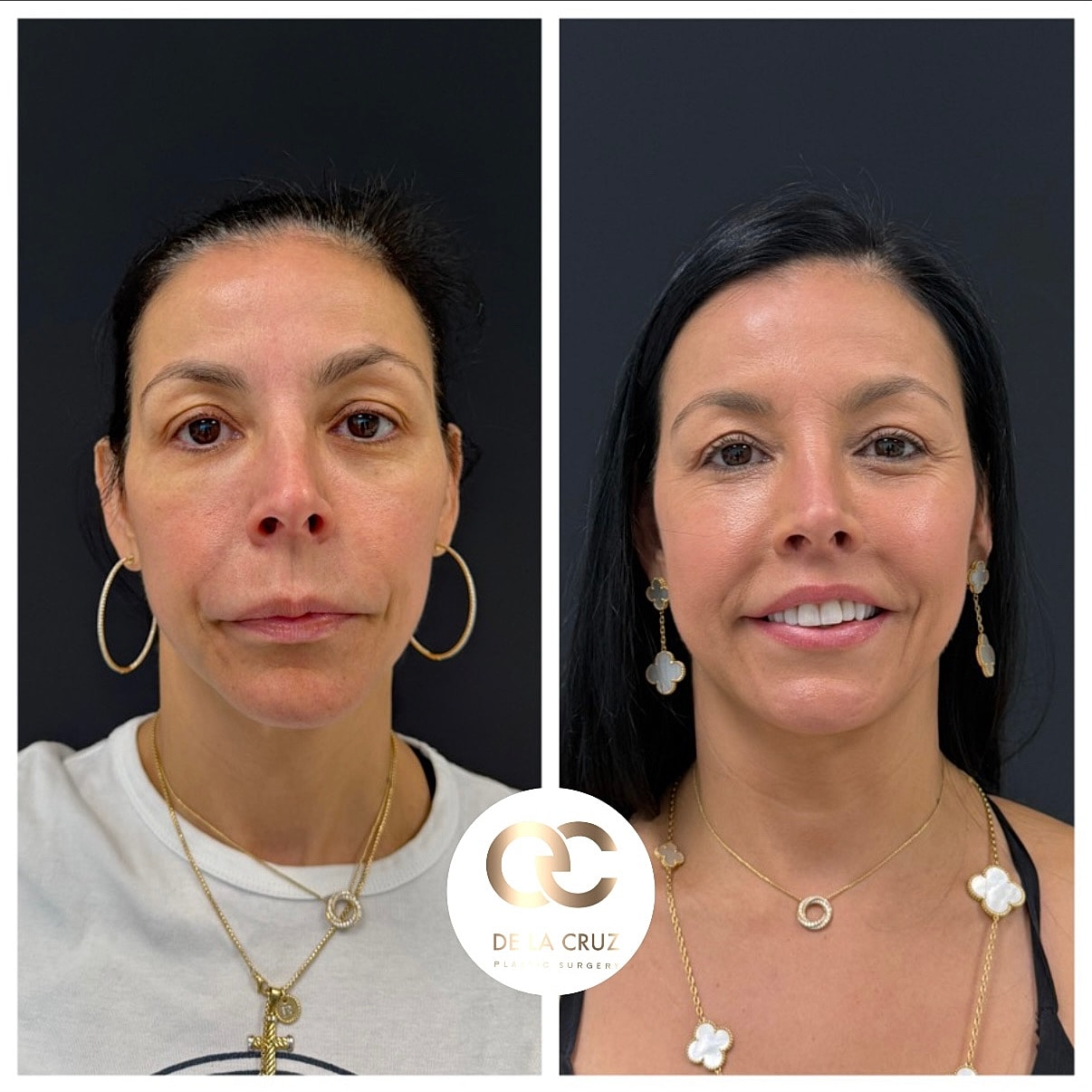
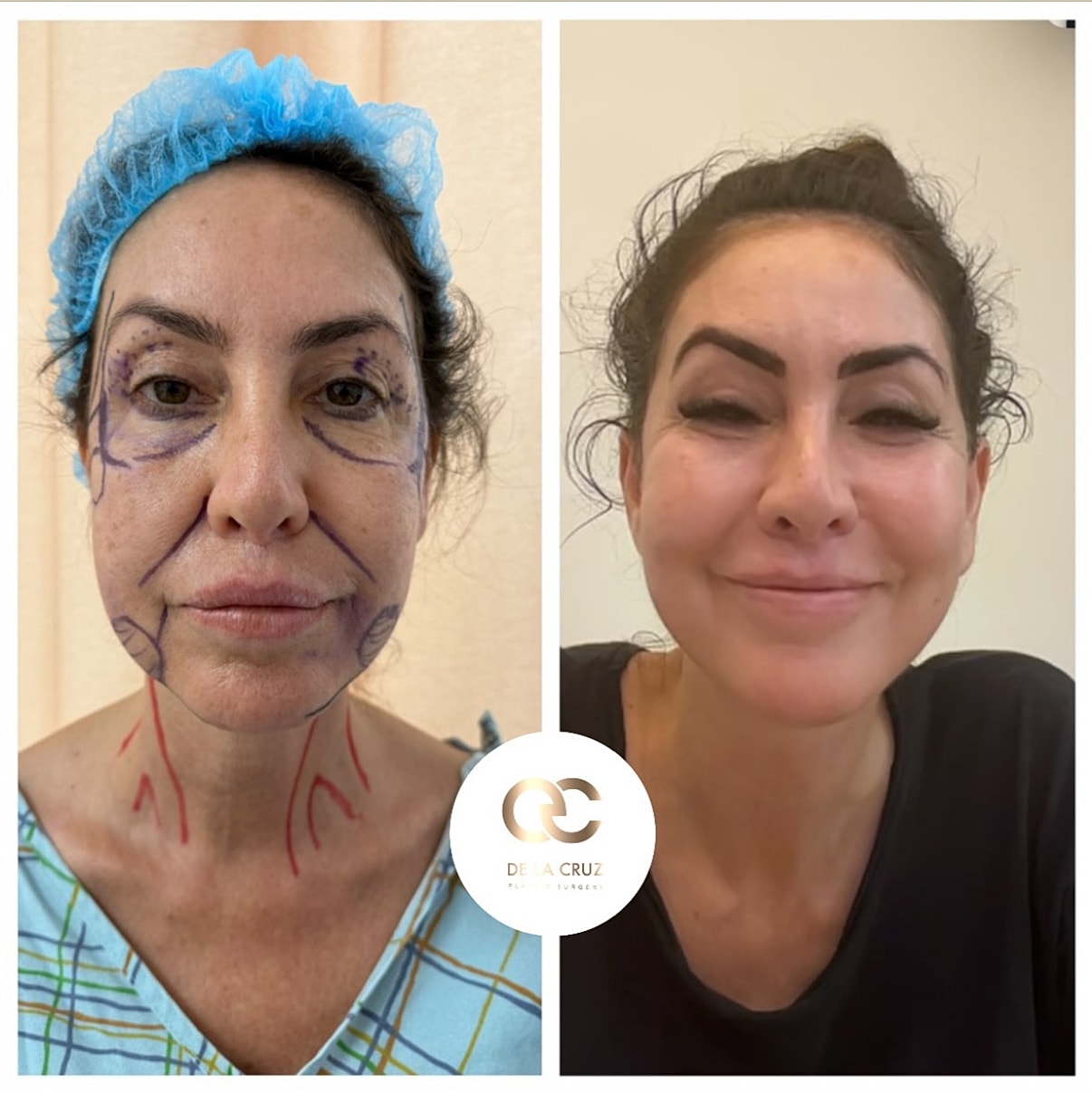
One of the most noticeable signs of aging is loose, sagging skin along the jawline and cheeks.
A facelift:
👉 This is why patients often say:
“I look like myself again—just younger.”

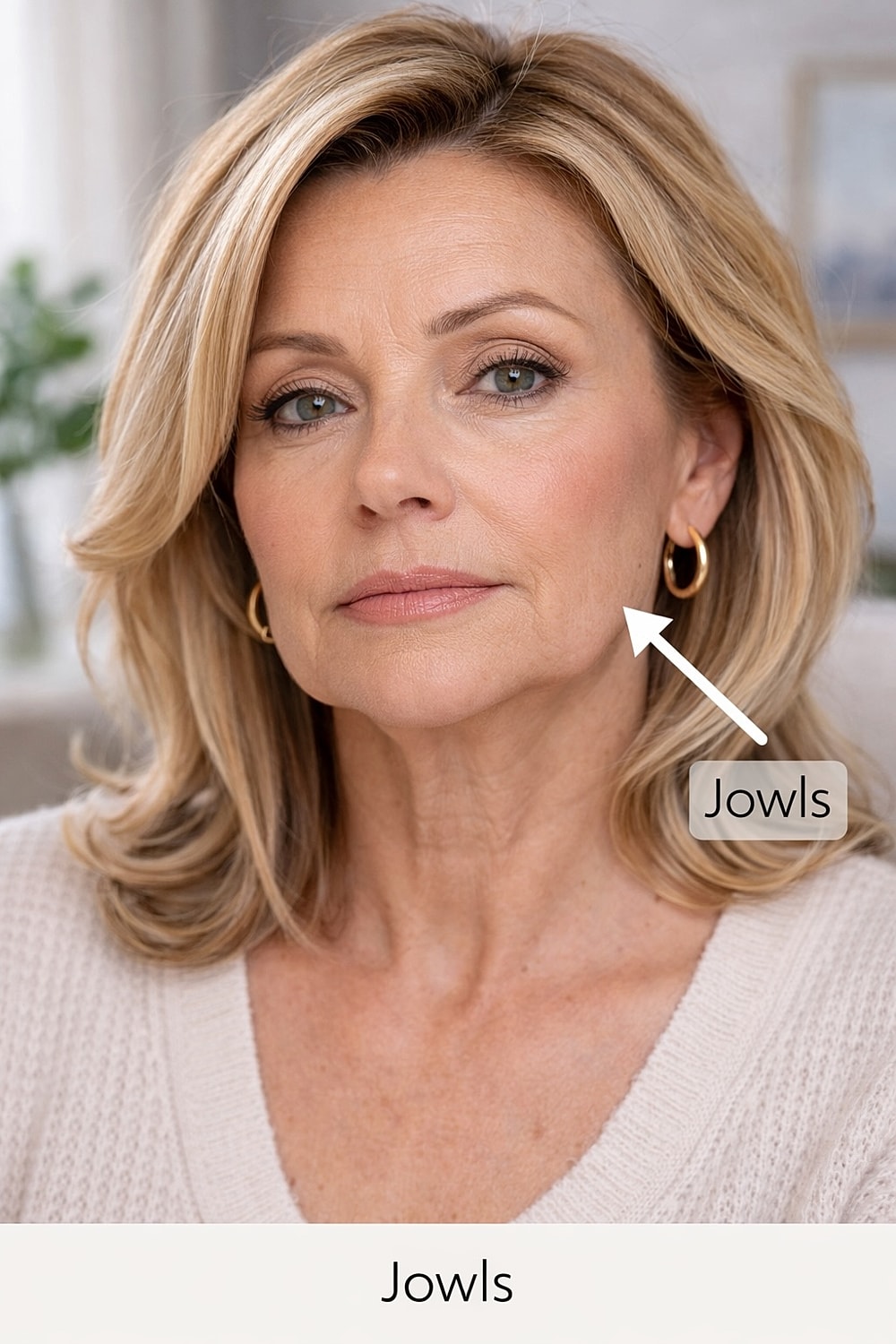
Jowls develop when:
A facelift corrects this by:
👉 This is one of the most dramatic improvements after surgery.
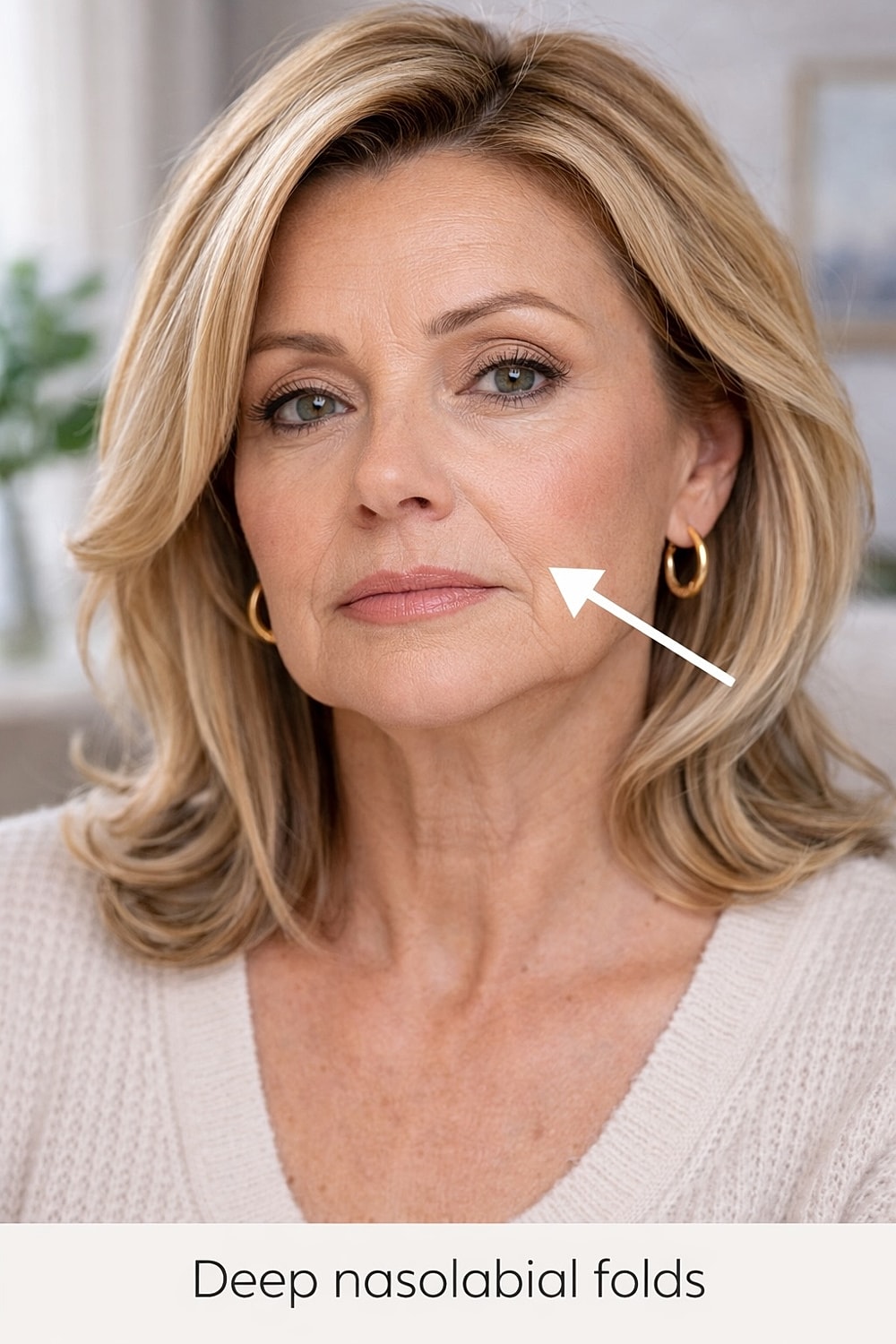
These folds run from the nose to the corners of the mouth.
A facelift improves them by:
Important:Facelifts soften these folds but may not eliminate them completely.
Some patients may consider non-surgical options first—see facelift vs fillers.

These lines create a tired or sad appearance.
A facelift:
👉 Result:A more refreshed, rested appearance.
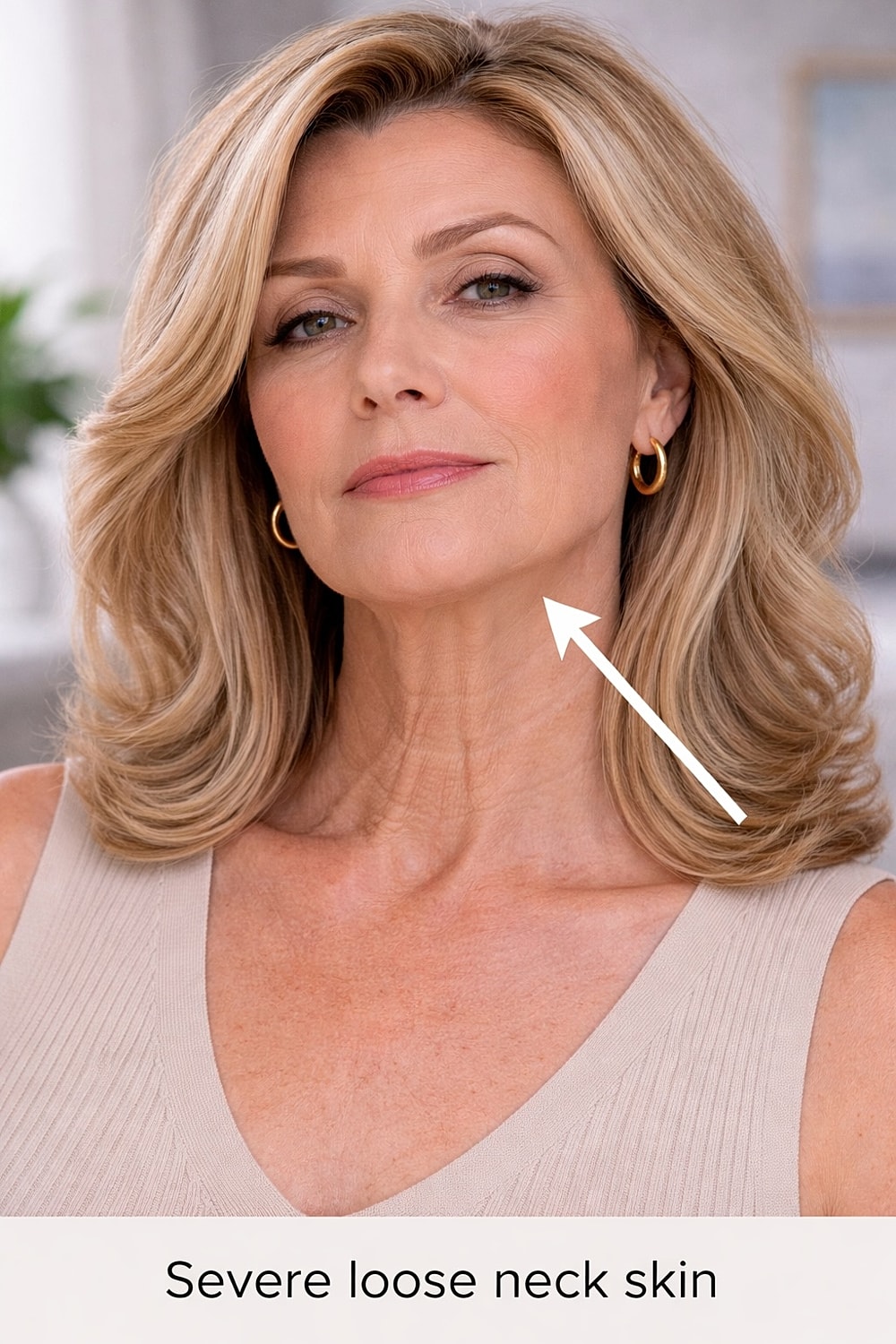
A facelift often includes a neck lift, addressing:
👉 This creates a clean, elegant neck contour.
If aging is limited to the neck, a neck lift vs facelift comparison may be helpful.
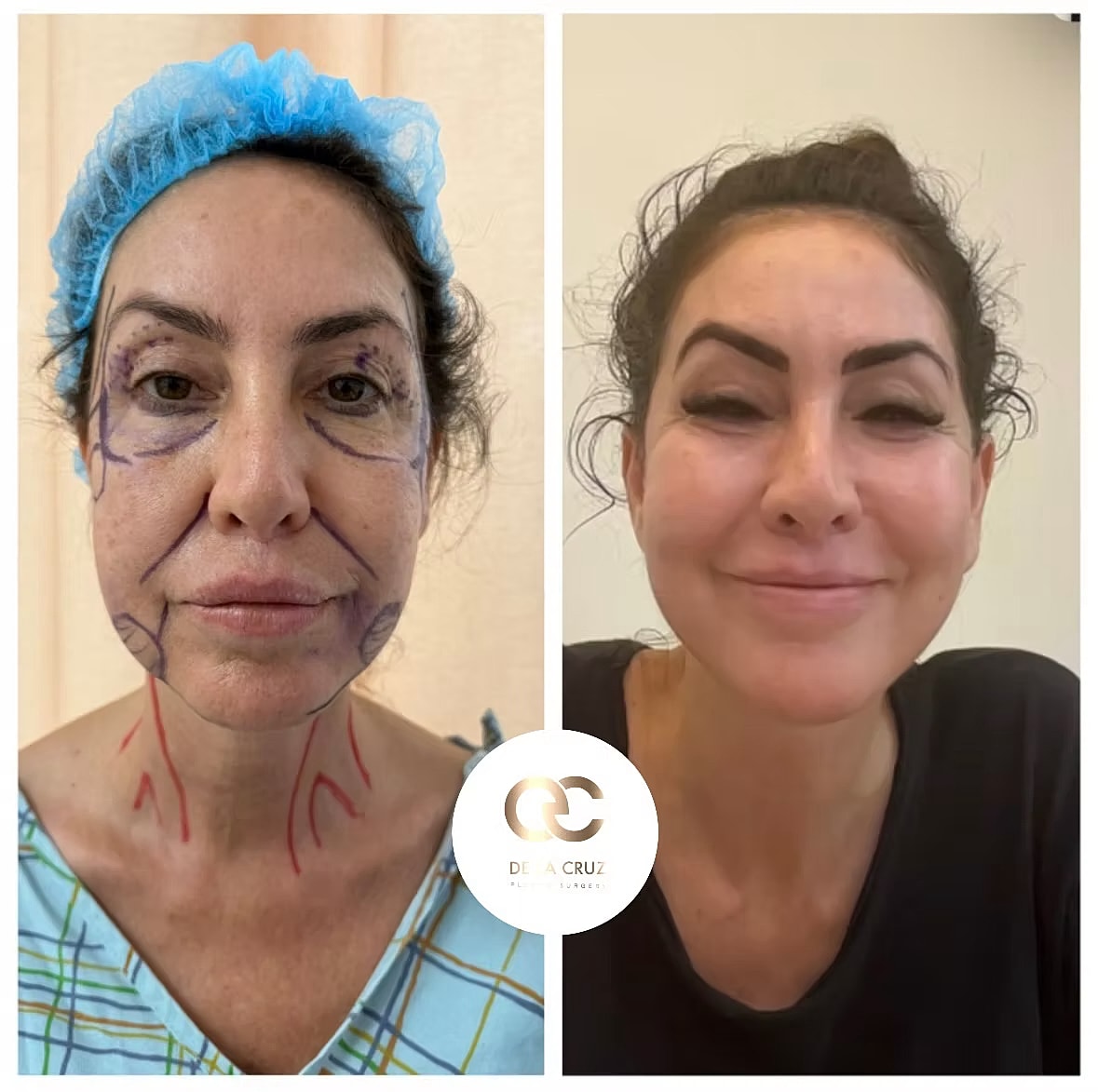
Aging is not just about wrinkles—it is about structural descent.
A facelift restores:
👉 This is why modern facelifts look natural: They reposition, not just tighten.
A deep plane facelift can address deeper structural aging of the face and neck.
Understanding limitations is critical for realistic expectations.
A facelift does NOT directly fix:
1. Fine Wrinkles and Skin Texture
👉 Best treated with:
2. Volume Loss (Hollowing)
👉 Often requires:
3. Forehead and Brow Aging
👉 Requires:
4. Eyelid Aging
👉 Requires:
Many patients focus on the type of facelift:
But the reality is:
👉 Results depend more on execution than the label of the technique.
Key factors include:
A ponytail facelift focuses on vertical lifting. Volume loss is best treated with facial fat transfer.
Today’s best results come from:
👉 The goal:
A natural, refreshed version of yourself—not a different face.

A well-performed facelift can last:
However:
👉 The facelift resets the clock—it does not stop it.
You may be a good candidate if you have:
Choosing the right surgeon is the most important decision you will make. Your facelift outcome depends on precision, experience, and artistic judgment—and Dr. Emmanuel De La Cruz brings all three.
Double Board-Certified Expertise
Dr. De La Cruz is double board-certified in Plastic Surgery and General Surgery, reflecting rigorous training and a strong foundation in both aesthetics and patient safety.
Fellowship Training in Hand & Microsurgery (Nerve Expertise)
Dr. De La Cruz completed fellowship training in Hand and Microsurgery, where he repairs delicate nerves under magnification.
Why this matters for your facelift:
Advanced Training with World Leaders
Dr. De La Cruz has trained with internationally renowned facelift experts:
This allows him to perform:
→ For natural, refined, and long-lasting results
An Artist’s Eye for Natural Beauty
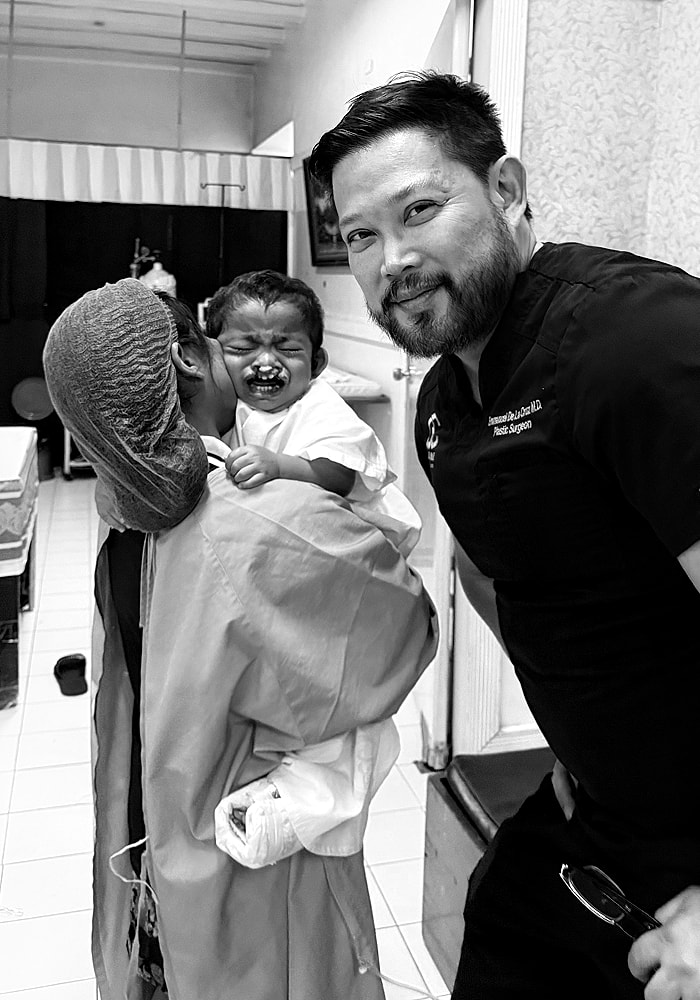
Dr. De La Cruz is a classically trained sculptor and painter, mentored by a world-renowned French sculptor.
What this means for you:
A facelift primarily improves sagging skin, deep folds, and loss of definition in the lower face and neck. It restores a more youthful contour by repositioning deeper tissues—not just tightening the skin.
Yes. A facelift is one of the most effective treatments for jowls, lifting and tightening the lower face to restore a defined jawline.
Yes. Most facelifts include treatment of the neck, improving:
This creates a smoother, more youthful jawline and neck contour.
A facelift can improve nasolabial folds, especially when deeper tissues are repositioned. However, very deep folds may sometimes benefit from additional treatments like fat grafting or fillers.
Yes. A facelift can soften marionette lines (lines from the corners of the mouth downward) by lifting sagging tissues in the lower face.
Not completely. A facelift repositions tissue but does not fully replace lost volume. Some patients benefit from fat transfer or fillers for optimal results.
A facelift improves wrinkles caused by sagging, but fine lines and surface wrinkles may require additional treatments like laser resurfacing or skin care.
A facelift does not significantly improve:
When performed correctly, a facelift should make you look refreshed and younger—not tight or overdone. The goal is natural rejuvenation, not a dramatic change in appearance.
Yes. A facelift is more effective for moderate to severe sagging, while fillers are better suited for mild volume loss or early aging changes.
About the Author
Dr. Emmanuel De La Cruz, MD is a double board-certified plastic surgeon in Houston, Texas, certified by the American Board of Plastic Surgery and the American Board of Surgery. He specializes in advanced facial rejuvenation procedures, including deep plane facelift, ponytail facelift (endoscopic facelift), neck lift, eyelid surgery, and facial fat transfer.
He has trained with internationally recognized leaders in facial surgery, including Chia Chi Kao in Beverly Hills and Giovanni Botti in Italy, allowing him to offer both minimally invasive and structural facelift techniques tailored to each patient.
In addition to his surgical expertise, Dr. De La Cruz is a portrait sculptor and painter, bringing an artistic understanding of facial balance, proportion, and harmony to his work. His approach focuses on achieving natural, refined, and undetectable results in facial rejuvenation.