(832) 776-1134 Schedule a Consultation

Lipedema surgery

Lipedema is a medical condition that requires a compassionate, specialized surgical approach. Dr. De La Cruz utilizes lymph-sparing techniques to alleviate the pain and disproportionate fat accumulation associated with this chronic disorder.

Model posing in black bikini against dark backdrop
De La Cruz Logo

Lipedema Surgery in Houston

Lipedema is a chronic, progressive disorder of abnormal fat distribution that almost exclusively affects women. The condition is frequently misdiagnosed as obesity or lymphedema, which can delay appropriate treatment for many years. Lipedema is characterized by the abnormal accumulation of painful, fibrotic fat tissue, most commonly affecting the thighs, hips, buttocks, lower legs, and sometimes the arms.

Unlike typical body fat, lipedema fat is resistant to diet and exercise, meaning that even patients who maintain a healthy lifestyle may experience persistent enlargement of the affected areas. As a result, many women seeking lipedema treatment in Houston and throughout the United States report years of frustration after being told that weight loss alone would correct their symptoms.

A hallmark feature of lipedema is the symmetrical enlargement of the extremities, often with sparing of the hands and feet, which creates a distinct and disproportionate body contour. Over time, the condition may progress and lead to increasing discomfort, heaviness of the limbs, and reduced mobility.

Patients with lipedema commonly experience the following symptoms:

  • Symmetrical enlargement of the legs or arms, often with sparing of the feet and hands
  • Pain, tenderness, or sensitivity in the affected fatty tissue
  • Easy bruising due to fragile microvasculature within the fat deposits
  • Heaviness or pressure in the limbs, particularly after prolonged standing
  • Disproportionate body shape despite weight loss, exercise, or lifestyle changes

Because lipedema is often misunderstood and frequently misdiagnosed, many patients spend years searching for answers before receiving an accurate diagnosis. Evaluation by a physician experienced in the diagnosis and treatment of lipedema is essential to determine the most appropriate management strategy for each individual.

As the condition progresses, the abnormal lipedema fat may become increasingly fibrotic and painful. In more advanced stages, lipedema can develop into lipo-lymphedema, a condition in which the lymphatic system becomes compromised and lymphatic fluid accumulates within the tissues. This can contribute to persistent swelling, inflammation, and increasing limitations in mobility.

Because lipedema is a progressive disorder, early diagnosis and appropriate treatment are important. Treatment options—including conservative management and specialized lipedema surgery in Houston—may help relieve symptoms, improve mobility, and restore more balanced body contours.

Woman in lace lingerie posing indoors.

Stages of Lipedema: Understanding Stage 1 Through Stage 4  

Lipedema is a chronic, progressive condition that typically develops gradually over time. Physicians commonly classify lipedema into four stages, based on changes in the appearance of the skin, the structure of the underlying adipose tissue, and the severity of symptoms experienced by the patient.

Stage 1: Early Lipedema In the earliest stage of lipedema, the skin surface usually appears smooth, but abnormal lipedema fat accumulates beneath the skin, most commonly affecting the thighs, hips, buttocks, and sometimes the arms. Patients may notice increased sensitivity in the affected areas, easy bruising, and mild swelling that tends to worsen later in the day.

Stage 2: Moderate Lipedema As lipedema progresses, the skin may develop an uneven or nodular texture. The underlying tissue may feel irregular, often described as small nodules or bead-like structures beneath the skin. Fat deposits become more noticeable, and patients frequently experience increasing heaviness, tenderness, pain, and swelling in the affected limbs.

Stage 3: Advanced Lipedema Stage 3 lipedema is characterized by larger deposits of fibrotic lipedema fat, leading to significant enlargement and contour changes of the limbs. The skin may appear thickened or irregular, and patients often develop mobility limitations, chronic discomfort, and progressive swelling that can affect daily activities.

Stage 4: Lipo-Lymphedema In advanced cases, lipedema may progress to lipo-lymphedema, a condition in which the lymphatic system becomes compromised and lymphatic fluid accumulates in the tissues. This can result in more persistent swelling, skin changes, and an increased risk of infection if left untreated.

Early diagnosis and appropriate management—including conservative therapies and specialized lipedema surgery using lymphatic-preserving liposuction techniques—may help reduce symptoms, improve mobility, and slow the progression of the condition.


Our Comprehensive Approach to Lipedema Surgery

Dr. Emmanuel De La Cruz provides advanced lipedema surgery in Houston for patients seeking relief from the pain, swelling, and disproportionate fat distribution caused by this chronic condition. Each treatment plan is carefully customized based on the patient’s stage of lipedema, symptoms, and overall health, recognizing that successful lipedema treatment requires an individualized approach rather than a one-size-fits-all solution.

As a double board-certified Houston plastic surgeon, Dr. De La Cruz specializes in lymphatic-sparing lipedema liposuction and advanced body contouring techniques designed to safely remove diseased lipedema fat while protecting surrounding lymphatic structures. By combining VASER-assisted liposuction, high-definition body contouring, and meticulous surgical technique, his approach focuses not only on improving body proportions but also on reducing pain, improving mobility, and restoring quality of life for patients living with lipedema.

This comprehensive strategy allows patients seeking lipedema treatment in Houston and throughout the United States to achieve both functional relief and natural-looking contour improvements.

Using advanced lipedema liposuction techniques and meticulous surgical precision, Dr. Emmanuel De La Cruz focuses not only on improving body contour but also on addressing the pain, heaviness, and limited mobility commonly associated with lipedema. By carefully removing diseased lipedema fat while preserving surrounding lymphatic structures, the goal of treatment is to provide meaningful symptom relief, improved mobility, and more balanced body proportions.

Lipedema surgery begins with a comprehensive full-body evaluation, allowing the surgical plan to be tailored to the patient’s stage, severity, and distribution of lipedema. Dr. De La Cruz’s surgical approach emphasizes lymphatic-sparing techniques and minimally traumatic fat removal, utilizing advanced technologies designed to safely treat lipedema while promoting smoother contours, reduced tissue burden, and improved functional outcomes for patients seeking lipedema treatment in Houston.

Solid dark background with no discernible features.

One-Stage vs. Two-Stage Lipedema Surgery

Lipedema treatment is carefully tailored based on the severity and stage of the disease, as well as the patient’s skin quality, distribution and volume of lipedema fat, overall health, and treatment goals. Depending on these factors, lipedema surgery may be performed as a single comprehensive procedure or as a staged surgical approach.

For patients with more advanced or severe lipedema, particularly those with significant excess skin or a higher body mass index (BMI), a staged treatment plan is often the safest and most effective strategy. Performing lipedema surgery in stages allows for more controlled fat removal, reduces surgical risk, and promotes safer healing while gradually improving body contour and functional symptoms.

Each surgical plan is designed to address both the functional challenges of lipedema—such as pain, heaviness, and limited mobility—as well as the aesthetic goals of restoring more balanced body proportions. By customizing treatment to the severity of the condition and the patient’s individual anatomy, lipedema surgery can be performed in a safe, personalized, and medically responsible manner while achieving meaningful symptom relief and improved quality of life.

One-Stage Lipedema Surgery

Lipedema Surgery – Comprehensive Advanced Approach

Lipedema is a chronic and progressive disease that requires a specialized surgical approach for effective treatment. At De La Cruz Plastic Surgery in Houston, advanced lipedema liposuction techniques and minimally traumatic technologies are used to carefully remove diseased lipedema fat while protecting delicate lymphatic vessels and surrounding structures. This lymphatic-sparing approach is designed to reduce complications, preserve lymphatic function, and improve long-term outcomes for patients undergoing lipedema surgery.

This procedure is often well suited for patients who are in good overall health and maintain relatively preserved skin elasticity. By combining multiple state-of-the-art body contouring technologies, several affected areas can often be treated during a single surgical session, allowing for large-volume removal of lipedema fat—often exceeding 5 liters—while improving body contour, limb proportion, and symptoms such as pain, heaviness, and reduced mobility.

For many women living with lipedema, the condition can cause years of frustration despite healthy diet and exercise efforts. Lipedema surgery offers a treatment option designed not only to improve body contour but also to reduce painful fat deposits and improve mobility and quality of life. A consultation with Dr. Emmanuel De La Cruz, a double board-certified Houston plastic surgeon, allows for a comprehensive evaluation to determine whether lipedema surgery or staged lipedema liposuction may be appropriate based on the patient’s symptoms, stage of disease, and treatment goals.

Key Components of Lipedema Surgery

1. Large-Volume Liposuction

Removes 5 liters or more of lipedema fat in a single procedure, allowing treatment of multiple areas such as the thighs, legs, arms, and trunk. This comprehensive approach reduces the need for multiple staged surgeries and enables more efficient full-body lipedema treatment.

2. VASER® Liposuction (Ultrasound-Assisted Liposuction)

Uses advanced ultrasound energy to emulsify dense, fibrotic lipedema fat while preserving critical structures such as lymphatic channels, blood vessels, and nerves. Studies demonstrate less bleeding, smoother contours, and faster recovery compared with traditional liposuction techniques.

3. MicroAire® PAL (Power-Assisted Liposuction)

A mechanized reciprocating cannula system that allows precise and efficient removal of fibrous lipedema tissue. Dr. De La Cruz utilizes small 3.0-mm VentX cannulas, minimizing tissue trauma and reducing the risk of post-operative contour irregularities.

4. Renuvion® (J-Plasma)

Combines radiofrequency energy and helium plasma to deliver controlled skin tightening after liposuction. This technology contracts fibrous septae and dermal structures, improving skin retraction and contour following large-volume fat removal.

5. Quantum RF + Morpheus8 (Alternative Skin Tightening Technology)

  • Uses radiofrequency-assisted skin remodeling and collagen stimulation to improve skin firmness, texture, and support. This option is often selected for patients with moderate skin laxity or contour irregularities after lipedema fat removal.

Benefits of This Comprehensive Approach

Comprehensive One-Stage Treatment Multiple areas affected by lipedema can often be treated during a single surgical procedure, allowing for comprehensive removal of diseased lipedema fat while minimizing the cumulative risks associated with multiple operations.

Lymphatic-Preserving Surgical Techniques Lipedema surgery requires meticulous technique to protect delicate lymphatic vessels. Advanced lymphatic-preserving liposuction methods are used to safely remove lipedema fat while maintaining normal lymphatic drainage—an essential consideration for patients with this chronic condition.

Enhanced Recovery and Reduced Post-Operative Discomfort By combining advanced surgical technologies, patients often experience less post-operative pain, swelling, and bruising compared with traditional liposuction approaches, supporting a smoother recovery process.

Improved Skin Retraction and Body Contour Large-volume lipedema fat removal can sometimes lead to residual skin laxity. Advanced skin-tightening technologies are incorporated to help improve skin contraction, supporting smoother contours and more balanced body proportions.

Meaningful Long-Term Symptom Relief For many patients, lipedema surgery offers more than aesthetic improvement. Patients frequently report reduced pain, improved mobility, decreased bruising, and enhanced quality of life following treatment.

Two-Stage Lipedema Surgery Approach

A staged surgical approach may be recommended for patients with significant skin redundancy, a history of massive weight loss, or increased surgical risk. Staging the procedure is often the safest strategy for patients with advanced lipedema, as it allows for controlled large-volume lipedema fat removal while minimizing surgical stress on the body. This approach also allows tissues to heal between procedures and provides the opportunity to safely plan additional contour refinement if needed.

Stage 1: Comprehensive VASER®-assisted and MicroAire® power-assisted liposuction is performed to remove diseased lipedema fat, debulk affected areas, and sculpt the limbs while improving symptoms such as heaviness, swelling, and pain. As part of the procedure, Quantum RF and Morpheus8 radiofrequency technologies are incorporated to promote skin contraction and tissue tightening following lipedema fat removal. The combination of fat removal and radiofrequency-assisted tissue remodeling helps improve contour while maintaining a minimally traumatic, lymphatic-preserving approach focused on patient safety.

Stage 2: After approximately 3–6 months, once swelling has improved and tissues have stabilized, a secondary body-contouring procedure may be performed to address residual loose or redundant skin. Depending on the areas treated, this may include:

This staged treatment strategy prioritizes patient safety, controlled surgical planning, and optimal healing, while allowing for more refined body contour outcomes following lipedema fat removal.

De La Cruz Logo

Expected Benefits of Lipedema Surgery

Patients undergoing lipedema surgery often experience significant improvements in both physical function and overall quality of life. By removing diseased lipedema fat and restoring more balanced body contours, treatment can provide both functional and aesthetic benefits, including:

  • Improved mobility and joint function as excess lipedema fat is removed from the legs and arms
  • Reduced limb heaviness, tenderness, and chronic pain commonly associated with lipedema
  • Improved body symmetry and proportion following targeted lipedema fat removal
  • Decreased bruising, swelling, and inflammation in affected areas
  • Slowing or delaying progression of lipedema, particularly when treated in earlier stages
  • Enhanced confidence, body image, and quality of life
  • For many patients, lipedema surgery offers not only improved appearance but also meaningful relief from the daily physical symptoms caused by this chronic condition.
Model in olive green bikini by window

Comprehensive Postoperative Care After Lipedema Surgery

Dr. Emmanuel De La Cruz and his team provide comprehensive postoperative care designed to support optimal healing and long-term results after lipedema surgery. Postoperative management may include:

  • Customized compression garments to reduce swelling and support tissue healing
  • Referrals for manual lymphatic drainage (MLD) to promote lymphatic circulation and recovery
  • Personalized nutrition and exercise guidance to support long-term health and mobility
  • Close clinical monitoring for potential issues such as seroma, contour irregularities, or lymphedema
  • This structured aftercare program helps ensure a safe recovery and durable outcomes following lipedema fat removal and body contouring procedures.

Recovery after lipedema surgery varies depending on the extent of treatment and the areas addressed. Most patients are able to return to work and light daily activities within 7–10 days, while more strenuous activities and exercise are typically resumed after 4–6 weeks, depending on individual healing and surgical scope.

Postoperative swelling is expected and gradually improves over time. As healing progresses, body contours continue to refine over several months as residual swelling resolves and tissues adapt following lipedema fat removal and body contouring procedures.

Solid black background with no objects or text.

Why Choose Dr. De La Cruz for Lipedema Surgery?

  • Double Board-Certified Plastic and General Surgeon, providing advanced surgical expertise and comprehensive patient care
  • Internationally recognized liposuction expert, with published research on liposuction in overweight patients in Clinics in Plastic Surgery, emphasizing surgical safety and patient outcomes
  • Extensive experience in large-volume and high-definition liposuction, including treatment of fibrotic lipedema fat
  • Advanced technology integration, utilizing VASER®, MicroAire® power-assisted liposuction, Quantum RF, and Morpheus8 for precise fat removal and enhanced skin contraction
  • Lymphatic-preserving surgical techniques specifically designed for patients undergoing lipedema surgery
  • Safety-focused surgical approach, emphasizing meticulous technique, careful patient selection, and evidence-based surgical planning
  • Comprehensive, patient-centered care focused on improving pain, mobility, and body contour while restoring natural body proportions

Dr. Emmanuel De La Cruz is a Houston plastic surgeon specializing in advanced lipedema surgery and body contouring. His surgical philosophy combines meticulous technique, cutting-edge technology, and a deep understanding of the functional challenges caused by lipedema. Recognized internationally for his work in liposuction safety and the treatment of overweight patients, Dr. De La Cruz emphasizes safe large-volume fat removal, lymphatic preservation, and natural contour restoration.

By addressing both the functional symptoms of lipedema—such as pain, heaviness, and limited mobility—and the aesthetic goals of balanced body proportions, Dr. De La Cruz helps patients achieve improved quality of life, restored mobility, and renewed confidence.

Who Is a Candidate for Lipedema Liposuction?

Liposuction for lipedema treatment is designed for patients with confirmed or suspected lipedema, a chronic condition characterized by abnormal and often painful fat accumulation in the legs, arms, or other areas of the body. Candidates for lipedema surgery are typically individuals who are in good overall health but experience persistent symptoms and fat deposits that do not respond to diet, exercise, or weight loss.

Patients who may benefit from lipedema liposuction often have the following characteristics:

  • Disproportionate fat distribution, commonly affecting the thighs, legs, buttocks, or arms
  • Painful or tender fat deposits associated with lipedema
  • Easy bruising and swelling in the affected areas
  • Difficulty losing fat in the limbs despite healthy lifestyle habits
  • Mobility limitations or heaviness in the legs

Unlike cosmetic liposuction, lipedema surgery is not performed for weight loss. Instead, the procedure focuses on removing diseased lipedema fat, improving mobility, reducing pain, and restoring more balanced body proportions.

A consultation with a qualified lipedema specialist is necessary to evaluate the stage of the disease, overall health, and whether lipedema liposuction is the most appropriate treatment approach.

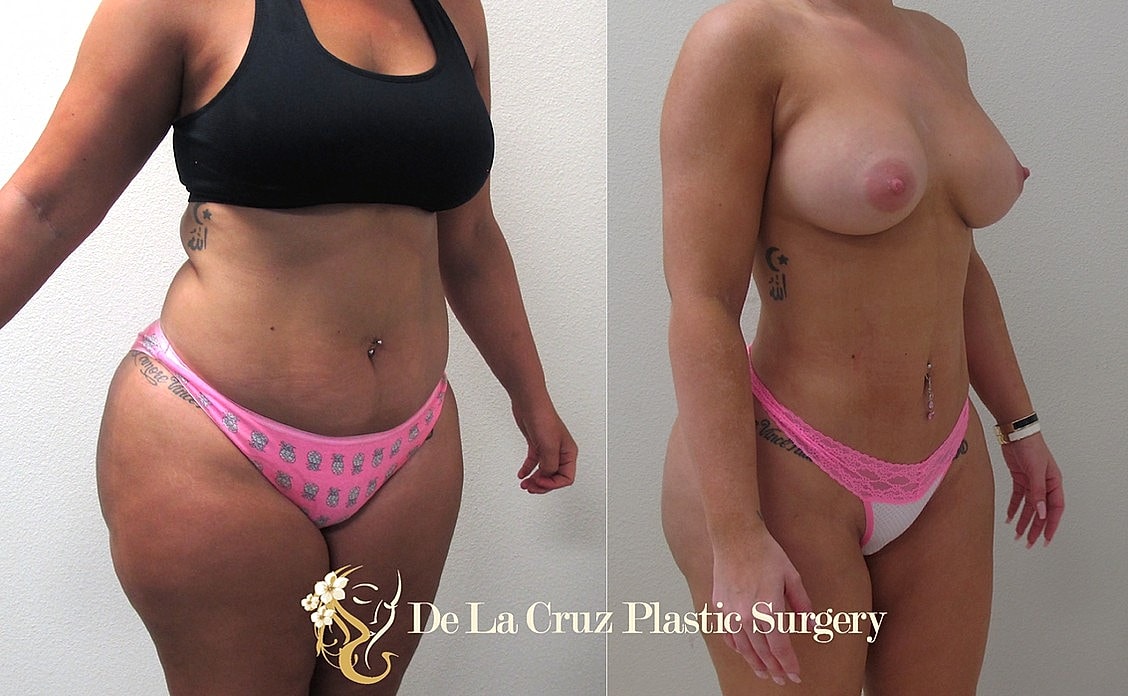
Before and after plastic surgery transformation photo.

Figure 1. Before and After Photos Demonstrating Large-Volume High-Definition Liposuction Results (2 Months After Surgery) Performed by Dr. Emmanuel De La Cruz, Houston Plastic Surgeon

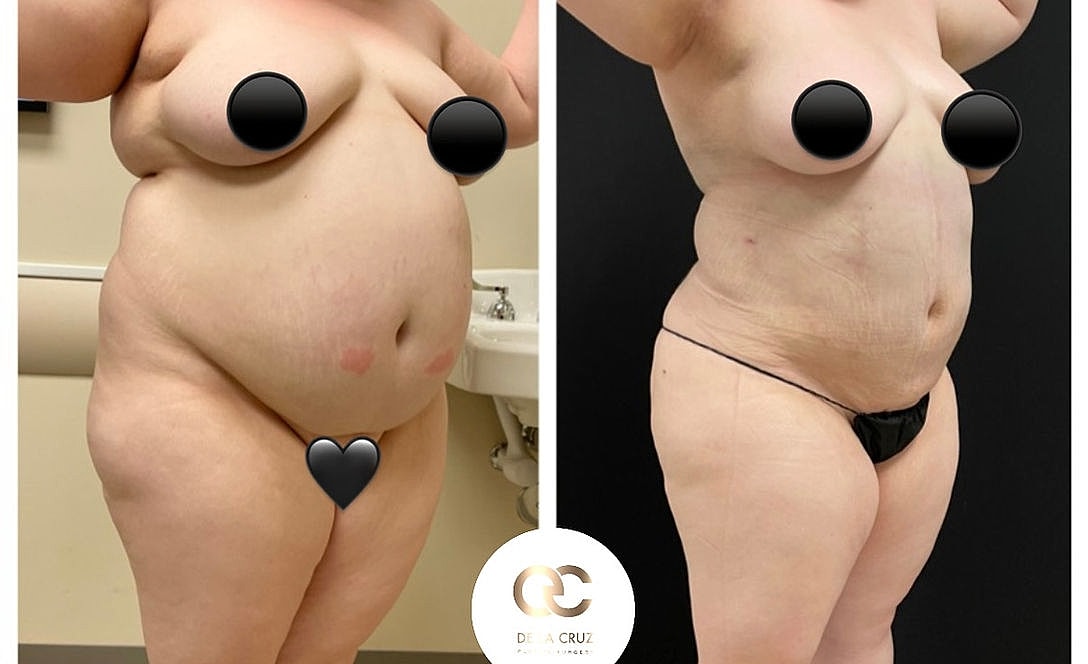
Before and after body transformation comparison.

Figure 2. Before and After Results Following Large-Volume Liposuction Performed by Dr. Emmanuel De La Cruz

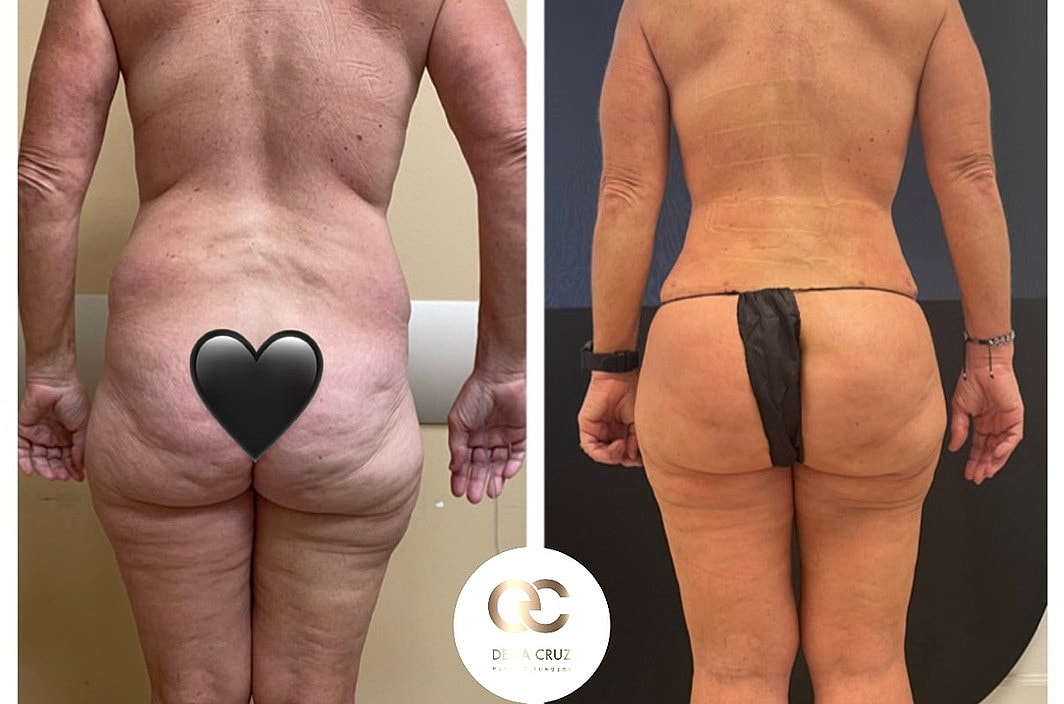
Before and after body treatment comparison.

Figure 3: Lipedema Surgery Before and After Results with VASER® Liposuction and Advanced Skin TighteningProcedures performed by Dr. Emmanuel De La Cruz, MD, Double Board-Certified Houston Plastic Surgeon.

De La Cruz Logo

What areas of the body can be treated with liposuction?

Liposuction is a versatile body-contouring procedure used to remove localized fat deposits that may not respond to diet and exercise. It can be performed on many areas of the body to improve contour, proportion, and overall body balance. The procedure is most commonly used to treat the:

  • Abdomen (stomach)
  • Arms
  • Back
  • Hips
  • Inner and outer thighs
  • Knees
  • Flanks (love handles)
  • Saddlebags
  • Neck
  • Chin

In many cases, multiple areas can be safely treated during the same procedure, allowing for more comprehensive body contouring while reducing overall recovery time. During your consultation, your surgeon will perform a thorough evaluation and develop a personalized treatment plan based on your anatomy, goals, and the areas of concern.

Woman in lace lingerie posing indoors.

Lipedema vs. Lymphedema: What’s the Difference?

Many patients researching leg swelling or abnormal fat distribution ask about the difference between Lipedema and Lymphedema. Although both conditions can cause enlargement of the legs, they are distinct medical disorders with different causes, symptoms, and treatments.

Lipedema is a chronic disorder of abnormal fat distribution that primarily affects women. It typically causes symmetrical enlargement of the thighs, hips, buttocks, and sometimes the arms, while the feet and hands are usually spared. Patients often experience pain, tenderness, easy bruising, and nodular fat beneath the skin. Unlike typical body fat, lipedema fat is resistant to diet and exercise and symptoms may worsen during hormonal changes such as puberty, pregnancy, or menopause.

Lymphedema, in contrast, is caused by impaired lymphatic drainage, leading to the accumulation of lymphatic fluid in the tissues. It may develop after lymph node surgery, radiation therapy, infection, trauma, or congenital lymphatic abnormalities. Unlike lipedema, lymphedema often presents with asymmetrical swelling and commonly involves the feet or hands, frequently producing pitting edema and progressive tissue fibrosis over time.

Understanding the difference between lipedema and lymphedema is important because the treatment approaches are very different. Lipedema is a chronic fat disorder that is often treated with specialized lipedema reduction surgery and lymphatic-preserving liposuction techniques designed to remove diseased lipedema fat. In contrast, lymphedema is a condition caused by impaired lymphatic drainage and is typically managed with compression therapy, manual lymphatic drainage, specialized physical therapy, and medical management of lymphatic flow.

In some patients, longstanding lipedema may eventually lead to lipo-lymphedema, a condition in which abnormal lipedema fat accumulation places strain on the lymphatic system and results in secondary lymphatic dysfunction.

During a consultation at De La Cruz Plastic Surgery in Houston, Dr. Emmanuel De La Cruz, a double board-certified plastic surgeon, performs a comprehensive evaluation to determine whether symptoms are caused by lipedema, lymphedema, or another condition affecting the lower extremities. Establishing an accurate diagnosis is essential in order to develop the most appropriate and safe treatment plan, helping improve both patient comfort, mobility, and overall quality of life.

Solid dark background with no discernible features.

VASER® Liposuction vs. Traditional Liposuction for Lipedema Treatment

When treating lipedema, the choice of surgical technique plays an important role in safety, recovery, and overall results. VASER® liposuction (ultrasound-assisted liposuction) is an advanced technology that uses targeted ultrasound energy to break down fibrotic lipedema fat before removal, allowing the fat to be extracted more gently and precisely than traditional liposuction.

For patients undergoing lipedema surgery, VASER liposuction offers several advantages, including:

  • Less tissue trauma during fat removal
  • Reduced postoperative pain and swelling
  • Less intraoperative bleeding
  • Lower risk of contour irregularities
  • Improved skin retraction and smoother body contours

Clinical studies comparing VASER-assisted liposuction with traditional techniques have demonstrated reduced bleeding and improved skin retraction with the VASER approach.

When performed by an experienced lipedema surgeon, VASER liposuction can provide more precise fat removal and improved contouring, which may further reduce the risk of postoperative irregularities.

Dr. Emmanuel De La Cruz has extensive experience using VASER liposuction for lipedema treatment and advanced body contouring. He further refined his techniques—including 4D VASER High-Definition liposculpture—through specialized training with Dr. Alfredo Hoyos, the pioneer of 4D VASER liposculpture.

Patient Safety in Lipedema Surgery

At De La Cruz Plastic Surgery in Houston, patient safety is a central priority in every lipedema surgery and large-volume liposuction procedure. Because lipedema fat removal often involves multiple treatment areas and significant volumes of fibrotic tissue, careful patient selection and comprehensive perioperative protocols are essential to achieving safe and successful outcomes.

Before surgery, patients undergo a thorough medical evaluation to ensure they are appropriate candidates for advanced lipedema liposuction. Individuals with medical conditions such as diabetes, obstructive sleep apnea, or cardiovascular disease may require medical or cardiac clearance prior to surgery. In addition, patients over the age of 45 typically undergo cardiology evaluation to further ensure that surgery can be performed safely.

Infection Prevention

Preventing infection is an important component of lipedema surgery safety protocols. Patients receive perioperative intravenous antibiotics during surgery to reduce the risk of wound infection. When fat transfer is included in the procedure, harvested fat is carefully processed and irrigated with antibiotic solution to further minimize the risk of bacterial contamination.

Deep Vein Thrombosis (DVT) Prevention

Patients undergoing lipedema surgery or large-volume liposuction are carefully evaluated for their risk of deep vein thrombosis (DVT). Dr. Emmanuel De La Cruz utilizes the Caprini risk assessment model to determine each patient’s individual risk level. During surgery, patients wear sequential compression devices to promote circulation and reduce the risk of blood clots. In appropriate cases, anticoagulant medications such as heparin or Lovenox may also be administered to provide additional protection against DVT.

Postoperative Monitoring for Large-Volume Liposuction

For patients undergoing large-volume lipedema liposuction, overnight monitoring in a hospital setting may be recommended. This allows the medical team to closely observe recovery, manage fluid balance, and ensure patient comfort and safety. During this period, care is coordinated between Dr. De La Cruz and hospital medical staff to provide comprehensive postoperative monitoring.

Advanced Technology for Safer Lipedema Surgery

Dr. De La Cruz frequently utilizes VASER® ultrasound-assisted liposuction during lipedema surgery. This technology allows fibrotic lipedema fat to be emulsified before removal, which can make fat extraction more controlled and less traumatic to surrounding tissues. Clinical research has demonstrated that VASER liposuction may result in less intraoperative bleeding and improved tissue preservation compared with traditional liposuction techniques, which is particularly important when performing large-volume lipedema fat removal.

  1. Through careful patient evaluation, advanced surgical technology, and structured perioperative safety protocols, Dr. Emmanuel De La Cruz prioritizes patient safety while delivering effective treatment for lipedema.
De La Cruz Logo

How Long Does Recovery Take After Lipedema Surgery?

Recovery after lipedema surgery varies depending on the extent of treatment and the number of areas addressed. Most patients are able to return to work and light daily activities within 7–10 days, depending on their comfort level and the scope of the procedure.

During the first few weeks after lipedema liposuction, patients should avoid strenuous activity and exercise to allow proper healing. Mild swelling, bruising, and temporary discomfort in the treated areas are common and typically improve over time. These symptoms can be managed with prescribed medications and the use of compression garments, which help reduce swelling and support tissue recovery.

As healing progresses, swelling gradually resolves and body contours continue to improve over several months following lipedema fat removal.

Woman in lace lingerie posing indoors.

When will results be  visible?

Results after lipedema surgery are often noticeable soon after the procedure as excess lipedema fat has been removed. However, the final outcome continues to improve as postoperative swelling and bruising gradually resolve.

Most patients begin to see clearer contour improvements around 6–8 weeks after surgery. Swelling will continue to decrease over time, and the skin and underlying tissues may continue to retract and refine for up to 6 months following lipedema fat removal.

Scars usually heal well and will fade with time to become less and less noticeable. The results of liposuction can be permanent as long as patients maintain a healthy and active lifestyle. If substantial weight is gained after this procedure, results may be altered.

Solid dark background with no discernible features.

Large-Volume Liposuction and Safety Considerations in Houston

Large-volume liposuction is generally defined as a procedure in which the total liposuction aspirate exceeds 5 liters. This technique is often used in advanced body contouring procedures and in conditions such as lipedema, where larger amounts of fibrotic adipose tissue may need to be removed to improve both symptoms and body contour.

Regulations regarding large-volume liposuction vary by state. In some states, including New York and Florida, surgical guidelines typically limit the amount of fat that can be removed during a single procedure to approximately 4–5 liters in outpatient settings. The safe amount of liposuction aspirate also depends on several factors, including the patient’s overall health, surgical technique, and the amount of tumescent fluid used during the procedure.

During liposuction, surgeons often use the tumescent technique, which involves infiltrating a solution containing saline, epinephrine, and lidocaine into the treatment areas. This solution helps minimize bleeding, improve patient comfort, and facilitate fat removal. The maximum safe dose of lidocaine in tumescent anesthesia is generally considered to be 35 mg/kg, although some studies suggest that levels up to 50 mg/kg may be tolerated in certain settings.

At De La Cruz Plastic Surgery in Houston, Dr. Emmanuel De La Cruz, a double board-certified plastic surgeon, follows strict safety protocols when performing large-volume liposuction. To minimize the risk of lidocaine toxicity, he does not exceed 35 mg/kg of lidocaine in the tumescent solution. Careful surgical planning, patient monitoring, and adherence to established safety guidelines help ensure that large-volume liposuction procedures are performed with the highest level of patient safety.

Is there any criteria or pre-operative requirements before Large Volume Liposuction?

Dr. De La Cruz requires all patients undergoing lipedema surgery to obtain a cardiology clearance from a board-certified cardiologist to ensure medical safety and optimize surgical outcomes. Safety is our number one priority!

De La Cruz Logo

Where is the Lipedema surgical procedure performed?

Lipedema surgery in Houston at De La Cruz Plastic Surgery is performed in a fully accredited, double-certified ambulatory surgery center designed to prioritize patient safety and comfort. Following surgery, patients are typically admitted overnight for observation and fluid management to support recovery during the immediate postoperative period.

Houston plastic surgeon Dr. Emmanuel De La Cruz personally oversees postoperative care while patients recover within the surgical facility. During this time, patients are closely monitored by experienced nursing staff—often with two dedicated nurses providing attentive care and observation to ensure comfort, safety, and optimal recovery following lipedema surgery.

​Schedule your Liposuction Consultation with Dr. De La Cruz today by calling

Model in olive green bikini by window

Lipedema Surgery Frequently Asked Questions (FAQ)

Lipedema is a chronic condition characterized by the abnormal accumulation of fat, most commonly affecting the legs, hips, buttocks, and sometimes the arms. Unlike typical weight gain, lipedema fat tends to develop symmetrically on both sides of the body and is often resistant to diet and exercise.

Patients with lipedema frequently experience symptoms such as tenderness or pain in the affected areas, easy bruising, a feeling of heaviness in the limbs, and swelling that may worsen throughout the day. Another common feature is that the hands and feet are usually spared, creating a noticeable difference between the affected and unaffected areas.

Because lipedema is often misunderstood and can resemble other conditions such as obesity or lymphedema, an evaluation by a physician experienced in diagnosing lipedema is important. A clinical examination and review of symptoms can help determine whether lipedema may be present and what treatment options may be appropriate.

Lipedema is a chronic medical condition characterized by the abnormal accumulation of fat, most commonly affecting the legs, hips, buttocks, and sometimes the arms. The condition often causes pain, tenderness, easy bruising, and progressive enlargement of the affected areas. Unlike typical fat deposits, lipedema fat is often resistant to diet and exercise.

The exact cause of lipedema is not fully understood, but the condition is believed to have a genetic and hormonal component. Lipedema often develops or worsens during periods of hormonal change such as puberty, pregnancy, or menopause.

Research suggests that lipedema may have a genetic component, and many patients report having a family member with similar symptoms. Hormonal changes such as puberty, pregnancy, or menopause may also contribute to the development or progression of the condition

Many patients initially confuse lipedema with weight gain or obesity. Lipedema typically causes symmetrical fat accumulation in the legs, hips, or arms, along with symptoms such as tenderness, easy bruising, heaviness, and swelling. Unlike ordinary fat, lipedema fat is usually resistant to diet and exercise.

Lipedema is primarily diagnosed through clinical evaluation by a physician experienced in recognizing the condition. Diagnosis is based on a patient’s medical history, physical examination, characteristic fat distribution, and symptoms such as pain, tenderness, and easy bruising.

Non-surgical treatments such as compression garments, manual lymphatic drainage, exercise, and weight management may help reduce symptoms such as swelling and discomfort. However, these approaches generally do not remove lipedema fat and most often are temporary solutions.

Lipedema surgery typically involves specialized liposuction techniques designed to remove abnormal lipedema fat while preserving surrounding lymphatic structures. The goal of surgery is to reduce symptoms, improve mobility, and restore more balanced body contours.

While liposuction technology is used during lipedema surgery, the goals are different. Cosmetic liposuction focuses primarily on body contouring, whereas lipedema surgery aims to remove diseased adipose tissue associated with the condition and relieve symptoms such as pain, heaviness, and swelling.

Because lipedema often affects multiple areas of the body, treatment is frequently performed in stages. The number of procedures depends on the extent of the condition, the areas involved, and the overall treatment plan developed with the surgeon.

Many surgeons use advanced technologies such as VASER liposuction, power-assisted liposuction, or radiofrequency-assisted contouring to help remove abnormal fat more precisely while minimizing trauma to surrounding tissues.

Lipedema surgery can significantly reduce symptoms and remove abnormal fat deposits, but it does not cure the underlying condition. Long-term management may include lifestyle measures, compression therapy, and ongoing monitoring.

While the abnormal fat removed during surgery does not return in the same areas, lipedema is a chronic condition and progression can occur over time. Ongoing management and follow-up care may help maintain long-term results.

Insurance coverage for lipedema surgery varies depending on the insurance provider and the specific policy. In some situations, portions of treatment may be considered medically necessary and eligible for coverage if appropriate documentation is submitted. However, as of 2026, liposuction—the primary surgical technique used to treat lipedema—is often not covered by many insurance plans.

At De La Cruz Plastic Surgery, we focus on providing specialized surgical care and therefore do not participate directly with insurance plans. Lipedema surgery is typically considered an elective procedure, and treatment is commonly self-pay. Our team is happy to provide medical documentation and operative reports if patients wish to pursue possible reimbursement with their insurance provider.

During your consultation, we will review your treatment plan, discuss the cost of lipedema surgery, and explain available payment or financing options so you can make an informed decision about your care.

The cost of lipedema surgery varies depending on several factors, including the stage of lipedema, the number of areas treated, the complexity of the procedure, and whether treatment is performed in multiple stages. Because lipedema often affects several areas of the body, treatment may require more than one surgical procedure.

Across the United States, the cost of lipedema surgery can vary widely. Individual procedures may range from approximately $6,000 to $20,000, and the total cost of treatment may reach $20,000 to $65,000 or more, depending on the extent of surgery and the number of stages required.

It is important to understand that each patient’s treatment plan is unique. During a consultation, your surgeon will evaluate the stage of lipedema, areas involved, surgical goals, and overall health to determine the most appropriate treatment plan and provide a personalized cost estimate.

Because lipedema surgery typically involves specialized liposuction techniques, it is often considered an elective procedure and may not be covered by many insurance plans. Our team will review all available options with you during your consultation and provide clear information about treatment planning and associated costs.

Lipedema surgery can be more complex than traditional cosmetic liposuction because it is performed to treat a chronic medical condition affecting multiple areas of the body. The procedure often requires specialized surgical techniques designed to remove abnormal lipedema fat while preserving delicate lymphatic structures, which requires advanced training and experience.

In many cases, lipedema treatment is performed in multiple stages because the condition commonly affects the legs, hips, buttocks, and sometimes the arms. Each procedure may involve extended operative time, specialized equipment such as advanced liposuction technologies, and care provided in a fully accredited surgical facility with trained medical staff.

Additional factors that contribute to the overall cost may include anesthesia services, surgical facility fees, postoperative monitoring, compression garments, and follow-up care. Because lipedema surgery is individualized for each patient and may involve multiple procedures, the overall cost can vary depending on the stage of the condition and the extent of treatment required.

A consultation with a physician experienced in the treatment of lipedema can help determine the most appropriate surgical plan and provide a personalized estimate based on the patient’s condition and treatment goals.

For patients with more advanced disease, liposuction designed for lipedema is considered one of the most effective treatments for removing abnormal fat deposits and improving symptoms. Removing the abnormal lipedema fat improves the symptoms associated with lipedema.

Liposuction is one of the most commonly performed cosmetic surgical procedures and is generally considered safe when performed by a qualified, board-certified plastic surgeon. Most patients experience minimal downtime and only mild, temporary side effects, such as swelling, bruising, or soreness during the early stages of recovery.

However, as with any surgical procedure, lipedema liposuction carries potential risks and complications. These may include infection, bleeding, scarring, fluid collections (seroma or hematoma), temporary changes in sensation, reactions to medications or anesthesia, and the possibility of contour irregularities or results that may not meet a patient’s expectations.

At De La Cruz Plastic Surgery in Houston, patient safety is central to every stage of care. Careful patient evaluation, meticulous surgical technique, and close postoperative monitoring are used to help minimize risks and support a smooth recovery for patients undergoing lipedema surgery. Each procedure is approached with thoughtful planning and individualized care, recognizing that every patient’s anatomy, health considerations, and treatment goals are unique.