Laser Skin Resurfacing
At De La Cruz Plastic Surgery in Houston, laser skin resurfacing is performed with advanced fractional and Erbium:YAG technology to safely treat wrinkles, acne scars, sun damage, and uneven pigmentation.


At De La Cruz Plastic Surgery in Houston, laser skin resurfacing is performed with advanced fractional and Erbium:YAG technology to safely treat wrinkles, acne scars, sun damage, and uneven pigmentation.
At De La Cruz Plastic Surgery in Houston, laser skin resurfacing treatments are guided by a plastic surgeon’s deep understanding of skin anatomy, tissue depth, and wound healing. Dr. Emmanuel De La Cruz carefully selects the most appropriate technology for each patient, including Erbium-YAG laser resurfacing and fractional laser resurfacing, depending on skin type, texture, and treatment goals. Laser skin resurfacing in Houston can effectively improve acne scars, sun damage, uneven skin tone, enlarged pores, fine lines, and wrinkles, restoring smoother and healthier-looking skin. Performed in our AAAA-certified surgical facility, every treatment prioritizes safety and precision. Dr. De La Cruz also uses specialized protocols for patients of all skin tones, including individuals with darker skin who may be more prone to post-inflammatory hyperpigmentation.

Correcting sun damage, fine lines, and irregular skin texture.
CO2 laser, Erbium laser resurfacing, and fractional lasers.
5–10 days, depending on the intensity of the laser procedure.
45–90 minutes.
Massive stimulation of new collagen fibers and improved skin laxity.

Laser skin resurfacing, often referred to as a laser peel, is an advanced treatment designed to improve skin texture and restore a more youthful appearance. During laser skin resurfacing, the outer layer of damaged skin is precisely removed, revealing smoother and healthier skin underneath. This treatment can significantly improve sun damage, fine lines, wrinkles, uneven pigmentation, enlarged pores, acne scars, and other superficial skin irregularities, most commonly on the face.
One of the most effective technologies used for this procedure is Erbium:YAG laser resurfacing, which delivers highly controlled beams of light to gently vaporize damaged skin cells while stimulating collagen production in the deeper layers of the skin. This process promotes natural skin renewal and enhances overall skin tone, clarity, and texture.
At De La Cruz Plastic Surgery in Houston, Erbium:YAG laser resurfacing is frequently incorporated into advanced facial rejuvenation procedures. Dr. Emmanuel De La Cruz often combines laser resurfacing with surgical procedures such as a Deep Plane Facelift or Ponytail Facelift to refine skin quality, smooth wrinkles, and enhance the overall rejuvenation of the face. Treatment time varies depending on the size of the area being treated and the severity of the skin concerns.
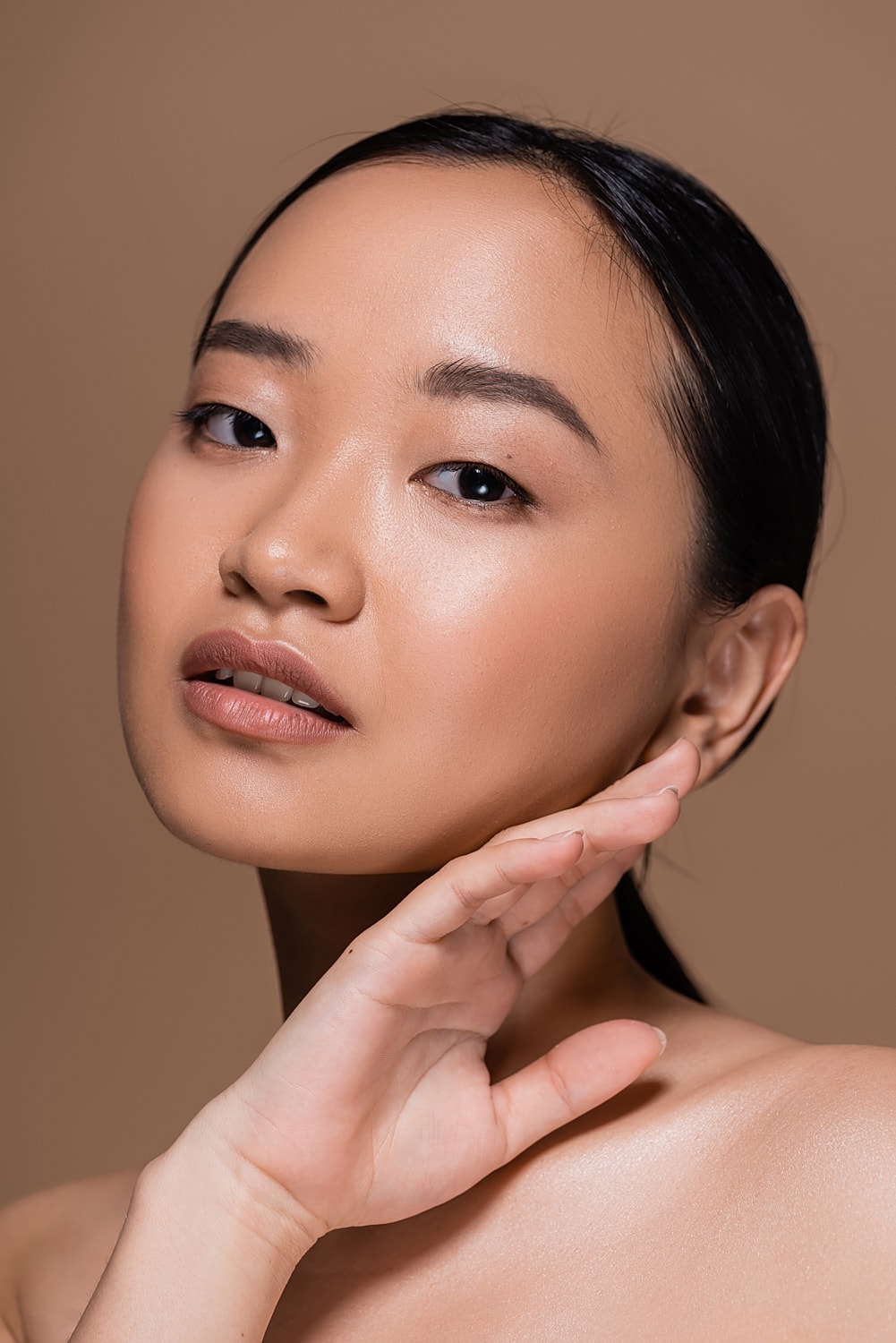
On the day of your laser skin resurfacing treatment, a topical numbing cream is applied to the skin to maximize comfort during the procedure. Once the area is prepared, controlled laser energy is passed over the treatment area to precisely remove the outer layer of damaged skin cells and stimulate collagen renewal.
During fractional laser resurfacing, the laser delivers energy in microscopic columns, treating only a fraction of the skin at a time. This advanced technology minimizes heat injury to surrounding tissue while accelerating the body’s natural healing response. Patients may feel a brief sensation similar to a light rubber-band snap as the laser passes across the skin.
By combining fractional laser technology with precise surgical planning, laser skin resurfacing can improve fine lines, wrinkles, acne scars, uneven pigmentation, sun damage, and overall skin texture, revealing smoother, healthier, and more youthful-looking skin.

This skin rejuvenation powerhouse is designed to treat wrinkles and a variety of complex skin concerns, including:
The primary benefit is the dramatic creation of new collagen fibers.
As the skin heals, collagen production continues to tighten it for months. Unlike non-ablative lasers or intense pulsed light (IPL), a CO2 or YAG laser delivers a deeper correction for non-responsive skin, producing a "laser peel" effect that significantly improves the skin's appearance.
CO2 Laser vs Erbium Laser Resurfacing
Both CO2 laser resurfacing and Erbium:YAG laser resurfacing are effective technologies used to improve skin texture, wrinkles, acne scars, and sun damage. CO2 lasers penetrate deeper and are often used for more severe skin damage, while Erbium:YAG lasers allow for more precise resurfacing with faster recovery and reduced thermal injury. At De La Cruz Plastic Surgery in Houston, Dr. Emmanuel De La Cruz selects the appropriate laser technology based on the patient’s skin type, treatment goals, and desired recovery time.
Ideal candidates for laser skin resurfacing are individuals with fine lines, acne scars, sun-damaged skin, uneven pigmentation, or rough skin texture who wish to restore smoother and more youthful-looking skin. This treatment is effective for many skin concerns; however, patients with darker or highly pigmented skin types require a specialized approach to minimize the risk of post-inflammatory hyperpigmentation or keloid scarring.
During your consultation at De La Cruz Plastic Surgery, Dr. Emmanuel De La Cruz will carefully review your medical history, skin type, and aesthetic goals to determine whether laser resurfacing is the most appropriate treatment. We also evaluate factors such as a history of cold sores, active acne, or previous skin conditions to ensure the safest and most effective treatment plan.

Immediately After Treatment (Day 0) The treated skin will feel warm, sensitive, and slightly tight, similar to a sunburn. Cooling measures and medical-grade ointments are applied to maintain hydration and protect the new skin barrier.
Days 1–3 Redness, swelling, and sensitivity are common during the first few days. Gentle cleansing and frequent moisturizing are essential. Strict sun protection with a high SPF is mandatory, especially in sunny climates like Houston, to protect the newly treated skin.
Days 4–7 The outer layer of treated skin begins to peel and flake as damaged skin cells are replaced by healthier tissue. Patients should avoid picking or rubbing the skin to allow proper healing.
Week 2 Most of the peeling has resolved, and the skin begins to appear smoother, brighter, and more even in tone. Mild redness may still be present as collagen remodeling continues.
Weeks 4–6 Skin texture continues to improve as new collagen forms beneath the surface. Fine lines, acne scars, and sun damage become noticeably reduced.
3 Months The full rejuvenating effects of laser skin resurfacing become more visible, revealing clearer, firmer, and healthier-looking skin. Continued sun protection and skincare help maintain long-term results.
The results of laser skin resurfacing begin to appear as the treated skin heals and regenerates. Within the first 1–2 weeks, new skin emerges that is typically smoother, softer, and slightly pink in color, reflecting the early stages of skin renewal. As healing continues over the following weeks, the skin tone becomes more even and the overall texture improves.
Over the next several months, deeper changes occur as the treatment stimulates collagen remodeling within the dermis. These collagen fibers gradually tighten and reorganize, helping to reduce fine lines, wrinkles, acne scars, and mild skin laxity while improving overall skin firmness and clarity.
With proper skincare, sun protection, and maintenance treatments when appropriate, the rejuvenating effects of laser skin resurfacing can last for many years. Many patients consider the procedure a valuable investment in long-term skin rejuvenation and healthier-looking skin.
Laser skin resurfacing requires far more than simply operating a device—it demands a deep understanding of skin anatomy, wound healing, and aesthetic balance. As a double board-certified plastic surgeon, Dr. Emmanuel De La Cruz approaches laser skin rejuvenation with the same precision and clinical judgment used in advanced facial surgery.
Rather than applying a one-size-fits-all treatment, Dr. De La Cruz carefully evaluates each patient’s skin quality, medical history, skin tone, and aesthetic goals before selecting the most appropriate laser technology. By choosing the correct laser platform, energy settings, and treatment depth, he is able to safely address concerns such as sun damage, acne scars, fine lines, and uneven pigmentation while preserving the skin’s natural integrity.
At De La Cruz Plastic Surgery in Houston, laser treatments are performed with a surgeon-led philosophy that prioritizes safety, precision, and natural-looking results. This thoughtful approach ensures that patients achieve meaningful skin rejuvenation without the overly aggressive or “over-processed” appearance sometimes seen with improperly performed laser treatments.
It uses concentrated, pulsed light to remove damaged skin layer by layer while heating the dermis to stimulate new collagen fibers.
The carbon dioxide (CO2) laser is an ablative laser best suited for deeper wrinkles, while fractional laser resurfacing offers faster healing for fine lines.
Yes, but it requires specialized laser technology, such as Erbium laser resurfacing, to safely treat dark skin without causing pigment changes.
While lasers can treat some superficial lesions, any suspicious spots should be evaluated by a plastic surgeon or dermatologist before any cosmetic surgery.
Cost varies based on the treatment area and the type of laser platform used. We provide a detailed estimate during your private consultation.
The results of laser skin resurfacing can last for several years, depending on the depth of treatment and how well the skin is maintained. By stimulating new collagen production, laser resurfacing improves skin texture, wrinkles, sun damage, and acne scars. While the skin continues to age naturally, patients who follow a consistent skincare routine and daily sun protection can maintain smoother, healthier-looking skin for many years.
Both CO2 laser resurfacing and Erbium:YAG laser resurfacing are highly effective treatments, but they serve slightly different purposes. CO2 lasers penetrate deeper and are often used for more severe wrinkles or significant sun damage. Erbium lasers provide more precise resurfacing with less thermal injury and typically faster recovery, making them ideal for patients seeking refined skin rejuvenation with reduced downtime. At De La Cruz Plastic Surgery, Dr. Emmanuel De La Cruz selects the most appropriate laser based on each patient’s skin type and treatment goals.
Most patients tolerate laser skin resurfacing very well. A topical numbing cream is applied before the procedure to maximize comfort. During treatment, patients may feel brief sensations similar to a light rubber-band snap or warmth on the skin. After the procedure, the skin may feel similar to a sunburn for a few days, which can be managed with cooling measures and prescribed skincare.
Recovery depends on the type and depth of the laser treatment. With fractional or Erbium laser resurfacing, most patients experience redness and peeling for about 5–7 days, with noticeable improvement in skin texture within two weeks. Deeper resurfacing treatments may require 1–2 weeks of recovery, while collagen remodeling and skin tightening continue to improve over the following several months.
Yes, laser skin resurfacing can be safely performed on darker skin tones, but it requires a careful and specialized approach. Patients with darker skin types have a higher risk of post-inflammatory hyperpigmentation, so the choice of laser technology and treatment settings is critical. At De La Cruz Plastic Surgery in Houston, Dr. Emmanuel De La Cruz evaluates each patient’s skin type and pigmentation risk to select the safest laser platform and treatment plan.